
Iran in Chaos: Australia Stays Neutral as US and Israel Launch ‘Operation Epic Fury’ Against Tehran’s Leadership
- Australia confirms it did not participate in the operation and was not warned in advance
- Foreign Minister Penny Wong urges dialogue and diplomacy to resume between Iran and Israel
- Australians warned not to travel to several countries in the region, including Israel, Lebanon, and the UAE
- Prime Minister Anthony Albanese expresses hope for the people of Iran and concerns over regional escalation
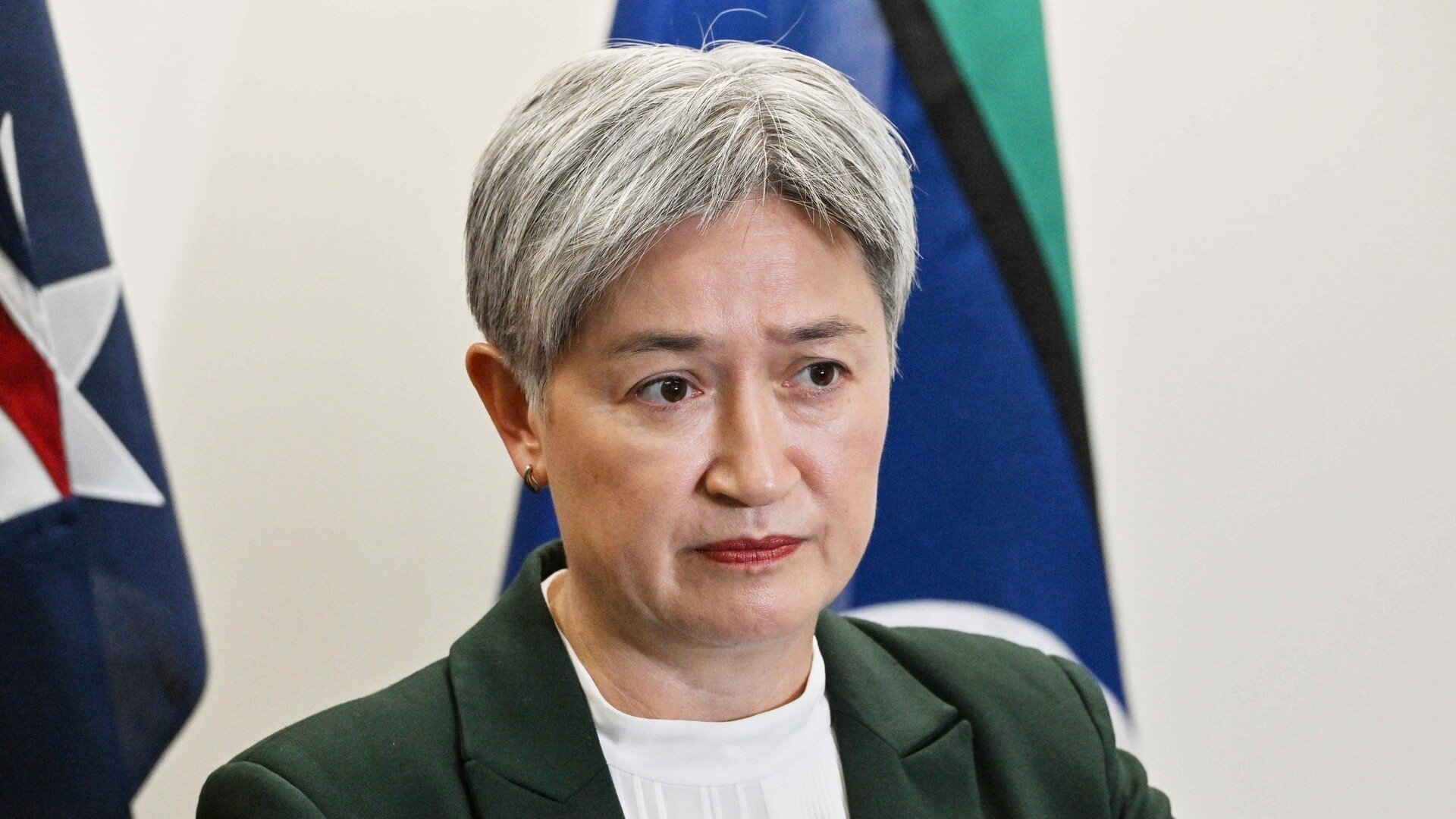
Australia has distanced itself from the surprise attack on Iran, dubbed Operation Epic Fury, which has decapitated the country’s leadership and sent shockwaves throughout the region. Foreign Minister Penny Wong confirmed that Australia did not participate in the operation and was not warned in advance, as the nation’s leaders urge restraint and diplomacy to prevent further escalation.
The operation, carried out by the US and Israel, has resulted in the death of Iran’s Supreme Leader Ayatollah Ali Khamenei, according to Iranian state media. The attack has sparked widespread concerns about regional stability and security, with Australia’s Prime Minister Anthony Albanese expressing hope for the people of Iran and warning against further violence.
As the situation unfolds, Australia’s government is working to confirm whether any Australians have been affected by the attack. The Department of Foreign Affairs and Trade has upgraded its travel advice, warning Australians not to travel to several countries in the region, including Israel, Lebanon, Bahrain, Kuwait, Qatar, and the United Arab Emirates.
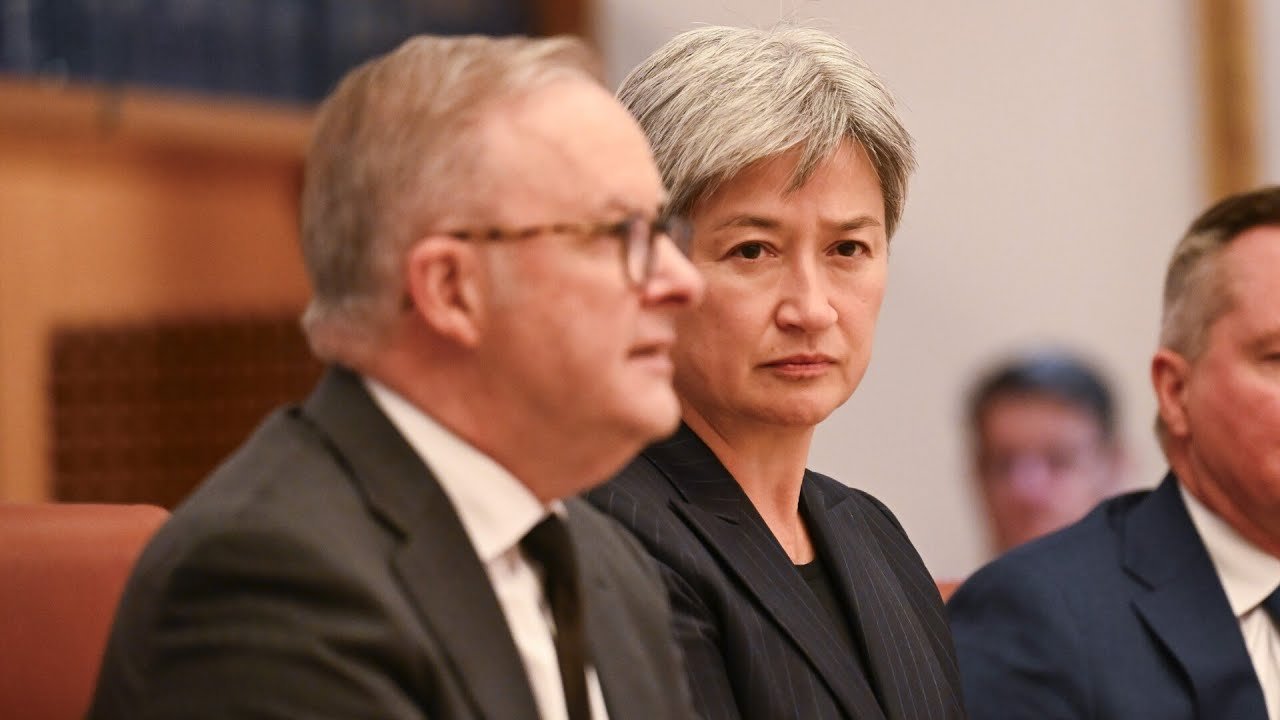
Foreign Minister Penny Wong has called for dialogue and diplomacy to resume between Iran and Israel, urging the parties involved to find a peaceful resolution to the crisis. “These are strikes which are determined by the parties concerned, which is the United States and Israel,” she said. “We did not participate in the strikes and you would not expect us to participate.”
Analysis: What This Means for Australia
The implications of Operation Epic Fury are far-reaching and complex, with significant consequences for Australia’s national security and regional relationships. The attack has the potential to destabilize the entire Middle East, drawing in other major players like China and Russia. Security analysts say that Australia’s decision to stay neutral may be seen as a pragmatic move, but it also raises questions about the country’s ability to influence events in the region.
Law enforcement insiders warn that the operation could lead to a surge in terrorist activity, as Iran’s proxy groups seek revenge against Western targets. This could have significant implications for Australia’s counter-terrorism efforts, particularly in the wake of recent attacks in the region.
Industry observers believe that the attack could also have significant economic consequences, particularly if it disrupts oil supplies and drives up prices. This could have a flow-on effect on Australia’s economy, which is heavily reliant on trade with the region.
“Security analysts say that the situation is highly volatile and unpredictable, with the potential for further escalation and violence,” said one expert. “Australia needs to be prepared for any eventuality, including the possibility of terrorist attacks or economic instability.”
As the situation continues to unfold, one thing is clear: Operation Epic Fury has sent shockwaves throughout the region, and Australia will need to navigate a complex and treacherous landscape to protect its interests and keep its citizens safe.