
Australia’s Fears Realized: What the Iran Conflict Means for Our National Security, Economy, and Communities
- Australia’s decision to back the US-Israel operation against Iran has sparked widespread concerns about national security, economic uncertainty, and community safety.
- The Albanese government’s swift response has been shaped by Iran’s nuclear ambitions, human rights abuses, and attacks on Australian soil.
- The conflict’s impact on the global economy, particularly oil prices, will be felt acutely in Australia, threatening to upend the government’s budget and economic stability.
The Australian government’s decision to support the US-Israel operation against Iran has sent shockwaves throughout the country, with far-reaching implications for national security, economic stability, and community safety. At the heart of the government’s response is the threat posed by Iran’s nuclear program, its human rights abuses, and the regime’s history of orchestrating attacks on Australian soil.
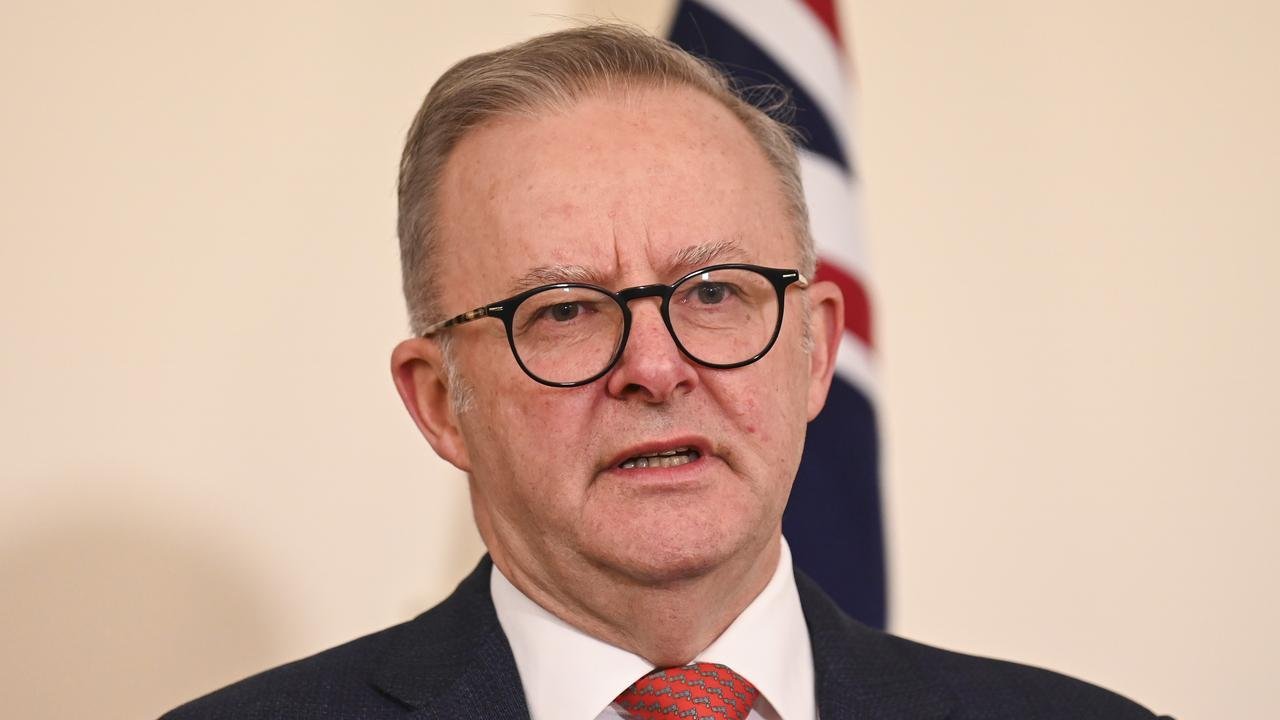
Prime Minister Albanese has been quick to emphasize the need for clarity and swift action in response to the crisis, citing the risk posed by Iran’s nuclear ambitions to global peace and security. The government’s language has been carefully calibrated to reinforce its commitment to the rules-based order, while avoiding any suggestion of regime change rhetoric.
However, the government’s stance has not been without criticism, with some within Labor’s left flank and the Greens expressing concerns about Australia’s involvement in the conflict. Former Labor senator Doug Cameron has been vocal in his opposition, accusing the government of “sycophantic capitulation to militarism.”

But for the Albanese government, the calculus is clear: the threat posed by Iran’s actions, including the firebombing of the Adass synagogue in Melbourne, cannot be ignored. The prime minister has been unequivocal in his condemnation of the regime, stating that “we stand with the Iranian people in standing up for their human rights” and that “we have not been immune from the impacts of the regime’s actions right here in Australia.”
Analysis: What This Means for Australia
The conflict’s impact on Australia will be deeply consequential, with far-reaching implications for national security, economic stability, and community safety. As an island nation, Australia relies heavily on trade, and the Strait of Hormuz, a critical transit point for oil leaving the region, is under threat. If ships can’t transit through the Strait, there isn’t a backup option, and the price of oil is likely to rise, with devastating consequences for the Australian economy.
Security analysts say that the conflict will also have significant implications for Australia’s national security, particularly in terms of counter-terrorism and border control. The government’s decision to expel Iran’s ambassador, Ahmad Sadeghi, in August 2025, was a clear signal of its concerns about the regime’s involvement in terrorist activities on Australian soil.
Industry observers believe that the conflict will also have a profound impact on the Australian economy, particularly in terms of energy prices. With interest rates and inflation already on the rise, any additional pressure on the cost of living will be felt acutely. The government will need to navigate a delicate balancing act to mitigate the economic fallout of the conflict, while also addressing the concerns of the Australian people.
In the end, the consequences of the Iran conflict will be felt far beyond the Middle East, with Australia’s national security, economy, and communities all at stake. As the situation continues to unfold, one thing is clear: the Albanese government’s response will be critical in shaping the course of events and protecting Australia’s interests in a rapidly changing world.