
Pauline Hanson’s One Nation on the Rise: Why Australia’s Major Parties Should Be Very Afraid
- One Nation has emerged as a major political force, eclipsing the Coalition in just nine months and hot on the heels of Labor.
- Senator Hanson’s party has captured 24-30% of the vote, with many Australians flocking to her message and rejecting the traditional two-party system.
- The major parties are responding with attacks, labeling Hanson and her supporters “racist” and “divisive,” but this strategy may backfire and drive more voters to One Nation.
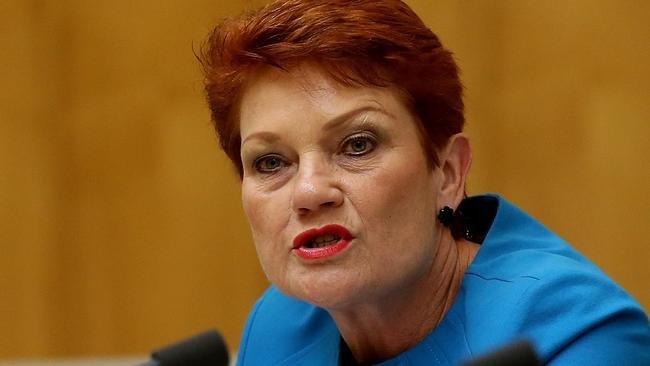
In a stunning turn of events, Pauline Hanson’s One Nation has emerged as a major political force in Australia, capturing a significant chunk of the vote and leaving the traditional two-party system reeling. In just nine months, One Nation has eclipsed the Coalition and is hot on the heels of Labor, with many Australians flocking to Hanson’s message and rejecting the status quo.
The major parties are responding with a mix of shock and desperation, launching a barrage of attacks against Hanson and her party. Assistant Multicultural Affairs Minister Julian Hill labeled a One Nation candidate a “d**khead” after he shared an unverified story about two Arabic men visiting a mine site, while Labor Hunter MP Dan Repacholi called the party’s actions “racist, low-life bulls**t.” Prime Minister Anthony Albanese linked Hanson’s comments on Islam to threats against a Sydney mosque, suggesting that her words “legitimise it, it mainstreams it.”
But Hanson’s supporters are not backing down, and the attacks may actually be driving more voters to her party. Many Australians are fed up with being called “racist” and “divisive” for raising legitimate questions about immigration and multiculturalism. They’re tired of being talked down to and dismissed, and they’re finally standing up.
Analysis: What This Means for Australia
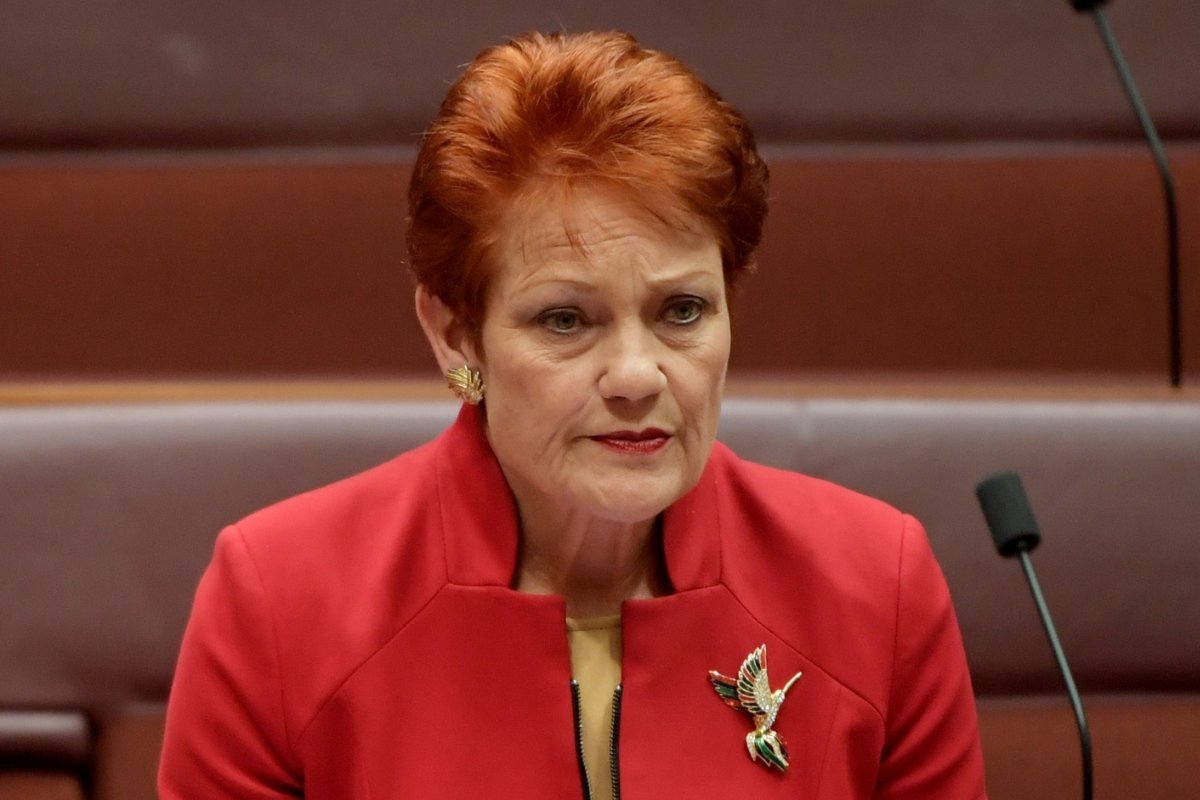
The rise of One Nation has significant implications for Australia’s political landscape. It suggests that many Australians are rejecting the traditional two-party system and looking for alternative voices and perspectives. It also highlights the growing frustration with the major parties and their inability to address the concerns of everyday Australians.
Security analysts say that the rise of One Nation could lead to a more fragmented political landscape, making it harder for governments to pass legislation and implement policy. Law enforcement insiders warn that the party’s anti-immigration stance could fuel tensions and create social unrest. Industry observers believe that One Nation’s economic policies could lead to instability and uncertainty.
The major parties would do well to take a step back and re-examine their approach. Instead of attacking Hanson and her supporters, they should focus on engaging with their concerns and addressing the underlying issues driving the rise of One Nation. By doing so, they may just find a way to win back the trust of the Australian people.
As one commentator noted, “Telling people they’re stupid and should be ashamed of themselves isn’t a great way to get them to vote for you.” It’s time for the major parties to stop denigrating their political opponents and start debating them on policy detail. The future of Australian politics depends on it.