
Iran on Brink of Chaos: Ayatollah’s Death Sparks Fear, Joy, and Uncertainty Among Australian Iranians
- Iranian Australians express mixed emotions over Ayatollah Ali Khamenei’s death, with some celebrating the end of an oppressive regime and others fearing for loved ones’ safety.
- US-Israel strikes on Iran’s cultural heritage sites, including the historic Golestan Palace, have sparked outrage and despair among the diaspora.
- The exiled crown prince of Iran, Reza Pahlavi, has offered to lead a transition to democracy, but some Iranians are wary of a return to monarchy.
As the situation in Iran continues to deteriorate, the Australian Iranian community is torn between relief and anxiety. The killing of Ayatollah Ali Khamenei has sparked a mix of emotions, with some celebrating the end of an oppressive regime and others fearing for the safety of loved ones caught in the crossfire.
For AK, an Iranian architect based in Australia, the past few days have been a rollercoaster of emotions. She wakes up every morning hoping to hear news of her family’s safety, only to be met with images of bombed streets and damaged landmarks from her childhood. The destruction of cultural heritage sites, including the UNESCO-listed Golestan Palace, has been particularly devastating.
“Places like the Golestan Palace or Azadi Tower are not just landmarks; they hold layers of identity, history, and shared belonging,” AK said. “The silence from the communications blackout is unbearable. Not knowing whether your family is safe, hearing nothing, imagining everything, it feels like psychological torture.”
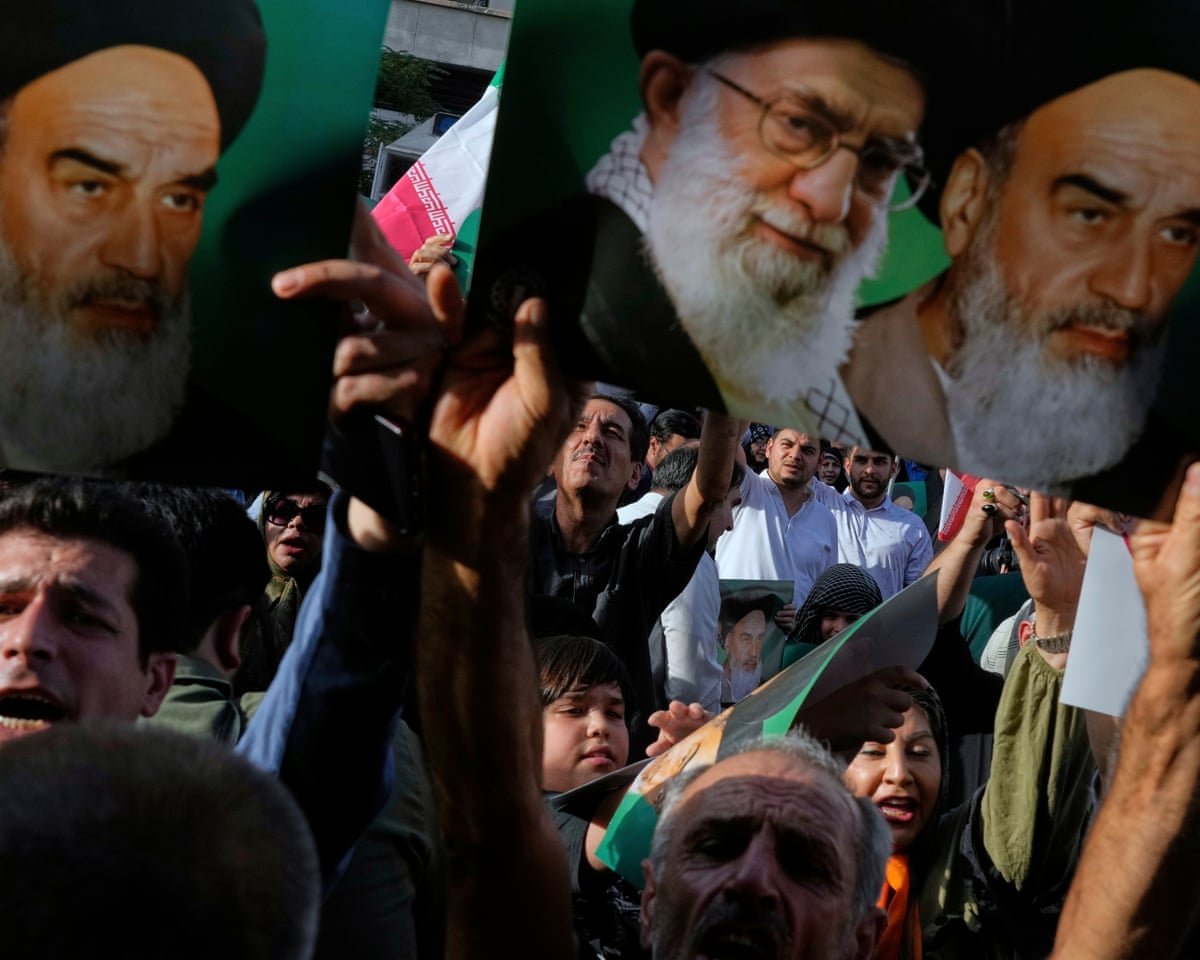
Bahador Yazdanshenas, who works in construction in Australia, has been unable to contact his family directly during the current unrest. Despite the challenges, he remains optimistic about the possibility of free elections in Iran. “Every single person I have managed to contact or exchange messages with, without exception, has expressed happiness regarding the attacks carried out by the US and Israel,” he said.
Analysis: What This Means for Australia
The current crisis in Iran has significant implications for Australia’s national security and relationships with the Middle East. The involvement of the US and Israel in the conflict raises concerns about the potential for further escalation and the impact on regional stability. As the situation continues to unfold, Australia’s government will need to navigate a delicate balance between supporting its allies and protecting its own interests.
Security analysts say the conflict also raises questions about the role of social media in fueling unrest and the importance of verifying information in the face of propaganda and disinformation. “The use of social media to spread misinformation and propaganda is a significant concern in this conflict,” said one security expert. “It’s essential for governments and citizens to be aware of the risks and take steps to verify information before sharing it.”
For the Iranian diaspora in Australia, the conflict is a painful reminder of the ongoing struggle for democracy and human rights in their homeland. Shahrzad Orang, an artist who was imprisoned in Tehran for participating in the Woman, Life, Freedom protests, fears a heavy crackdown on Iranians celebrating the former leader’s death. “Many cities are effectively under martial law right now. Different parts of Iran are being threatened by armed forces,” she said.
As the situation in Iran continues to evolve, one thing is clear: the stakes are high, and the outcome is far from certain. For the Iranian diaspora in Australia, the next few weeks will be a time of anxiety and uncertainty, as they wait for news of their loved ones and the future of their homeland.