
Shark Attack Horror: Tourist Mauled on Idyllic Great Barrier Reef Island
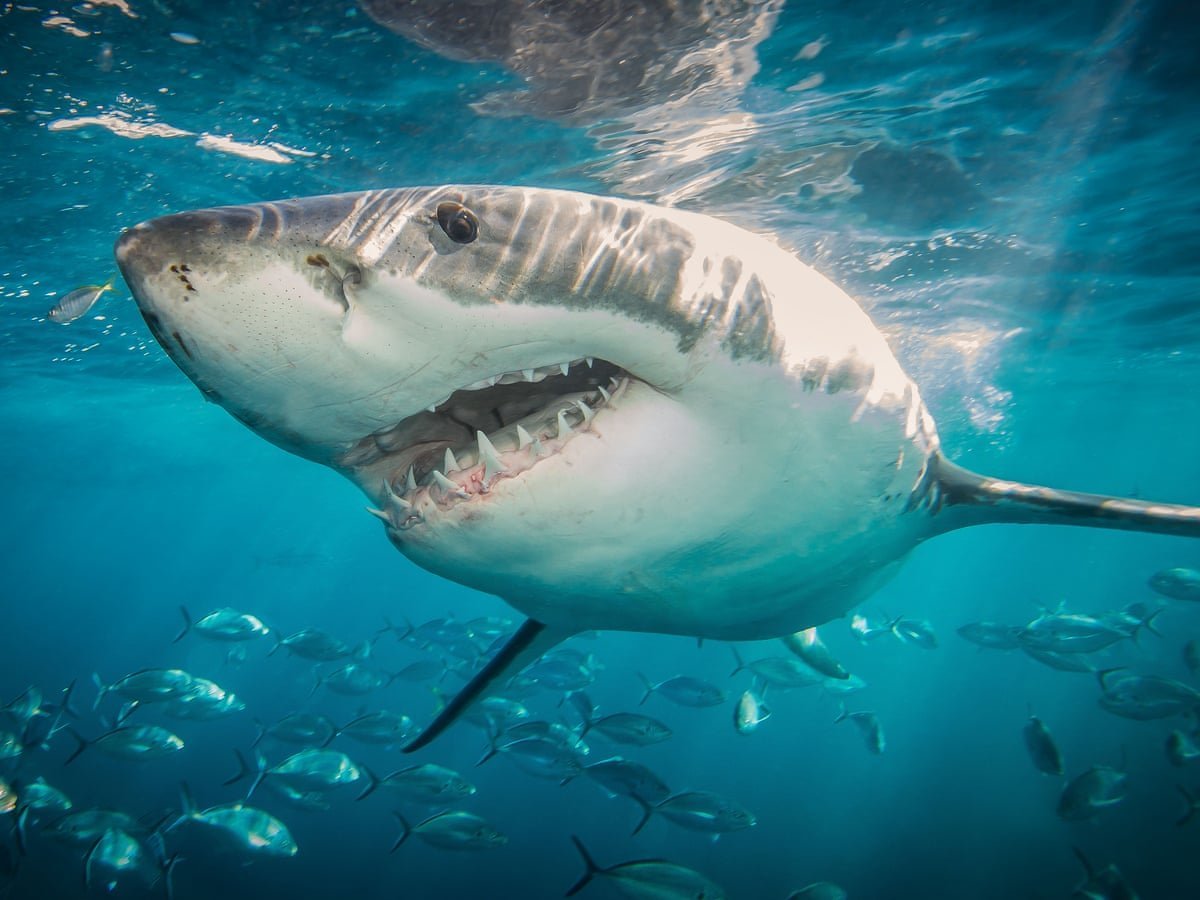
- A man in his 50s has been savagely bitten by a shark while snorkelling on the picturesque Lady Elliot Island, 85km north-east of Bundaberg.
- The victim suffered significant wounds to his arm and abdomen, and was airlifted to hospital in a stable condition.
- This rare attack has sent shockwaves through the close-knit island community, with the western snorkelling zones closed until further notice.
In a terrifying incident that has left the tranquil Lady Elliot Island reeling, a man in his 50s has been attacked by a shark while snorkelling in the crystal-clear waters of the Southern Great Barrier Reef. The victim, who was with two other men, was bitten on the arm and abdomen, and sustained significant injuries.
The Queensland Ambulance Service confirmed that the man was airlifted to Bundaberg Hospital by LifeFlight in a stable condition, with wounds to his arm and minor injuries to his hand. Peter Gash, the custodian of Lady Elliot Island, said the men were not guests at the island’s eco-resort and had been snorkelling on the western side of the island around 8am.
The trio swam ashore and alerted staff at the Lady Elliot Island Eco Resort, who quickly sprang into action to provide medical assistance. Mr Gash said the type of shark responsible for the attack was not known, but as a precaution, the western snorkelling zones have been closed until further notice.
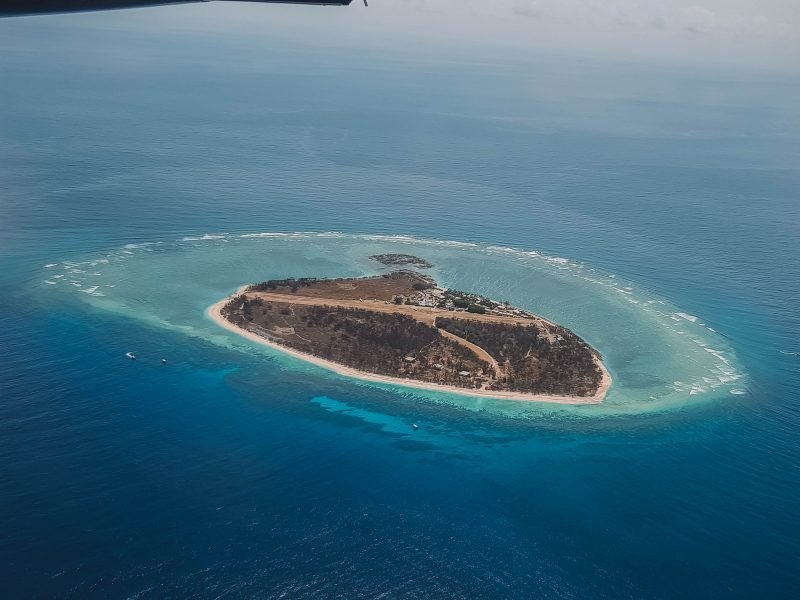
This shocking incident has sent shockwaves through the island community, with many left wondering how such a rare event could occur in what is considered one of the safest snorkelling spots in the world. Mr Gash, who has been the custodian of the island for 20 years, said he could not recall another shark bite incident during his tenure.
Security analysts say the incident highlights the importance of vigilance and preparedness in the face of unpredictable wildlife encounters. “While shark attacks are extremely rare, they can and do happen,” said one expert. “It’s crucial that tourists and locals alike take necessary precautions, such as swimming in groups and avoiding dawn and dusk when sharks are most active.”
Analysis: What This Means for Australia
This incident serves as a stark reminder of the importance of prioritising public safety and education in our national parks and wildlife reserves. As Australia continues to grapple with the challenges of balancing conservation and tourism, incidents like this highlight the need for increased investment in shark research and management strategies.
Law enforcement insiders warn that the closure of the western snorkelling zones will have significant economic implications for the local community, which relies heavily on tourism. “This incident is a wake-up call for authorities to review their emergency response protocols and ensure that adequate resources are in place to deal with such incidents,” said one insider.
Industry observers believe that this attack will spark a renewed focus on shark mitigation strategies, including the use of shark spotters and drone surveillance. “This incident is a tragic reminder of the importance of prioritising public safety in our national parks and wildlife reserves,” said one expert.