
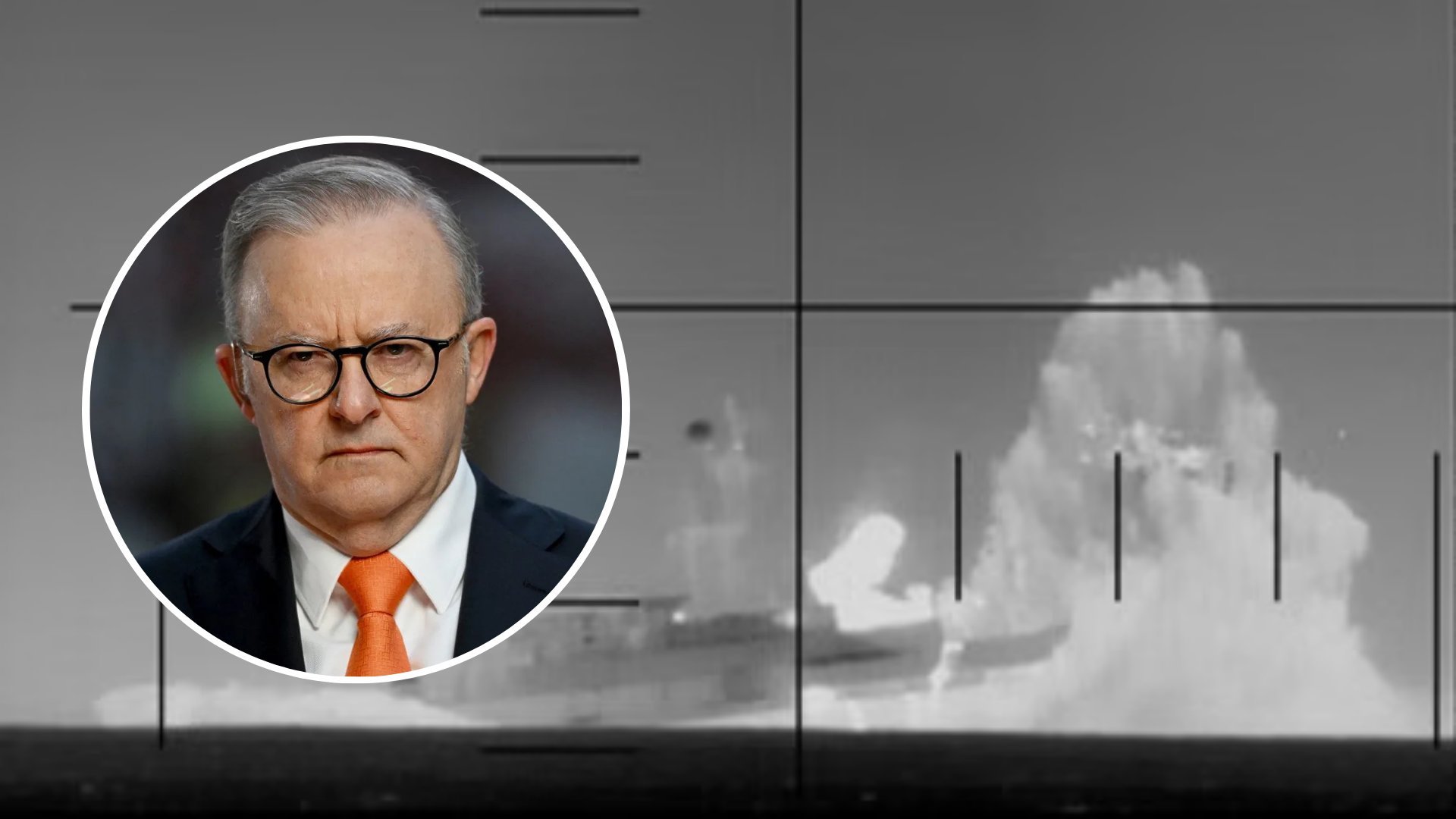
Australian Defence Personnel Caught in Middle East Maelstrom as US Submarine Sinks Iranian Frigate
- Prime Minister Anthony Albanese confirms three Australian defence personnel were on board a US submarine that sank an Iranian frigate near Sri Lanka
- The incident has sparked concerns about Australia’s involvement in the escalating conflict in the Middle East
- Experts warn that Australia’s defence personnel being embedded with third countries could compromise national security and put lives at risk
The Australian government has been forced to confront the nation’s involvement in the deepening Middle East conflict after it was revealed that three Australian defence personnel were on board a US submarine that sank an Iranian frigate near Sri Lanka. The incident has sparked concerns about the risks of Australia’s defence personnel being embedded with third countries, and the potential for national security to be compromised.
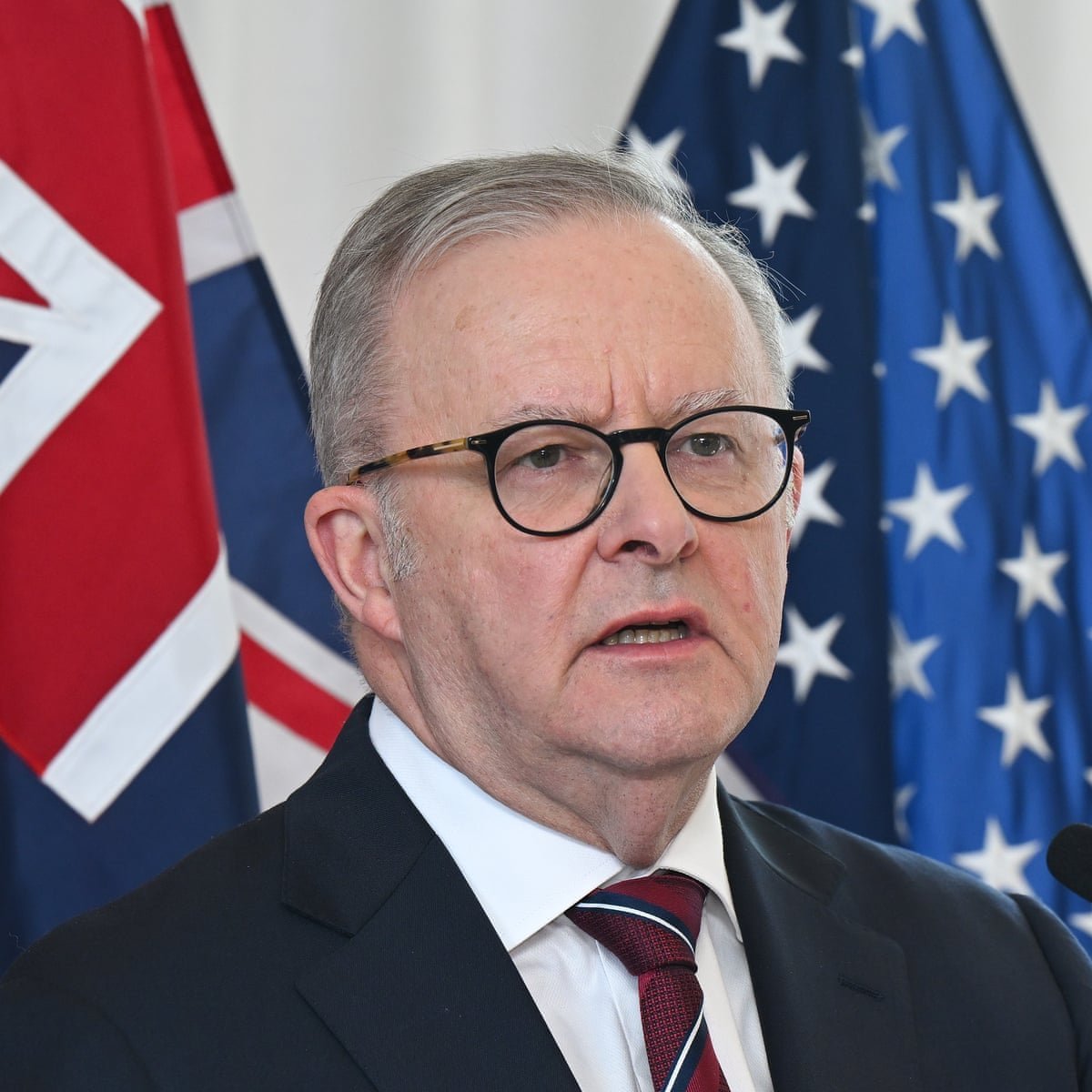
Prime Minister Anthony Albanese confirmed the presence of the Australian personnel on the submarine, but insisted that they did not participate in any offensive action against Iran. However, experts have warned that the situation highlights the risks of Australia’s defence personnel being caught in the middle of a conflict that is escalating by the day.
The incident has raised questions about the extent of Australia’s involvement in the Middle East conflict, and the potential consequences for national security. With the conflict showing no signs of abating, the incident serves as a stark reminder of the dangers of Australia’s defence personnel being embedded with third countries.
Analysis: What This Means for Australia
The involvement of Australian defence personnel in the sinking of an Iranian frigate has significant implications for national security. The incident highlights the risks of Australia’s defence personnel being caught in the middle of a conflict that is escalating by the day, and the potential for lives to be put at risk. Furthermore, the incident raises questions about the extent of Australia’s involvement in the Middle East conflict, and the potential consequences for national security.
Security analysts say that the incident serves as a stark reminder of the dangers of Australia’s defence personnel being embedded with third countries. “This incident highlights the risks of Australia’s defence personnel being caught in the middle of a conflict that is escalating by the day,” said one security analyst. “It’s a reminder that we need to be cautious about our involvement in conflicts that are not in our national interest.”
Law enforcement insiders warn that the incident also raises concerns about the potential for Australia’s defence personnel to be compromised by their involvement with third countries. “When our personnel are embedded with third countries, there is always a risk that they could be compromised,” said one law enforcement insider. “It’s a risk that needs to be taken seriously.”
In the wake of the incident, experts are calling for a review of Australia’s defence policies and practices to ensure that they are aligned with national security interests. “We need to take a closer look at our defence policies and practices to ensure that they are aligned with our national security interests,” said one expert. “We can’t afford to compromise our national security by getting caught up in conflicts that are not in our interest.”
As the situation in the Middle East continues to escalate, the incident serves as a reminder of the importance of prioritizing national security and protecting the lives of Australian defence personnel. The government must take immediate action to review Australia’s defence policies and practices to ensure that they are aligned with national security interests, and that the risks of involvement in conflicts are minimized.