
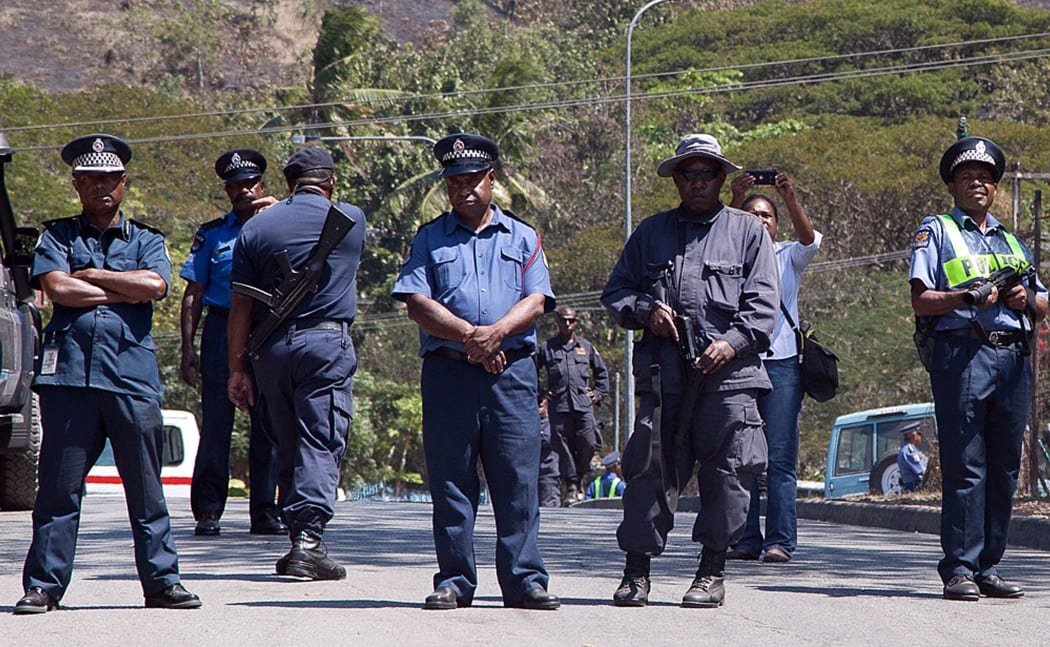
Australia’s Deadly Gift: PNG’s Military Fears Rifles Will Fall into Wrong Hands as Tribal Warlords Run Amok
- Papua New Guinea’s military chief raises concerns about safely storing 3,500 rifles Australia plans to send, fearing they could end up with tribal warlords
- Violence between warring clans in PNG has been supercharged with access to illegal weapons, killing hundreds and displacing thousands
- Children as young as eight are being taught to handle military-grade weapons, including M16 assault rifles, smuggled to tribal gangs
The head of Papua New Guinea’s military, Rear Admiral Philip Polewara, has expressed deep concerns about the country’s ability to safely store a planned delivery of 3,500 rifles from Australia. The delivery, announced last year, is part of a landmark defence treaty between the two nations. However, Rear Admiral Polewara fears that without proper storage facilities, the weapons could fall into the wrong hands, exacerbating the already dire situation of tribal warfare in PNG.
The Papua New Guinea Defence Force (PNGDF) is set to receive the rifles, manufactured by Thales, as part of a deal worth millions of dollars. However, the PNGDF’s current storage facilities are inadequate, and Rear Admiral Polewara has raised questions about the country’s capacity to keep the weapons safe. “Lethal items like weapons and ammunition, we have to be honest with ourselves and be realistic, whether we have the capacity or we have the facilities to keep all these items that we bring in,” he said.
The issue of illegal weapons in PNG is a long-standing one, with reports of children as young as eight being taught to handle military-grade weapons, including M16 assault rifles, smuggled to tribal gangs. The proliferation of these weapons has supercharged violence between warring clans, killing hundreds and displacing thousands across multiple provinces in recent years. The PNG government has announced a nationwide gun amnesty to encourage civilians to surrender their illegal weapons without facing criminal charges.
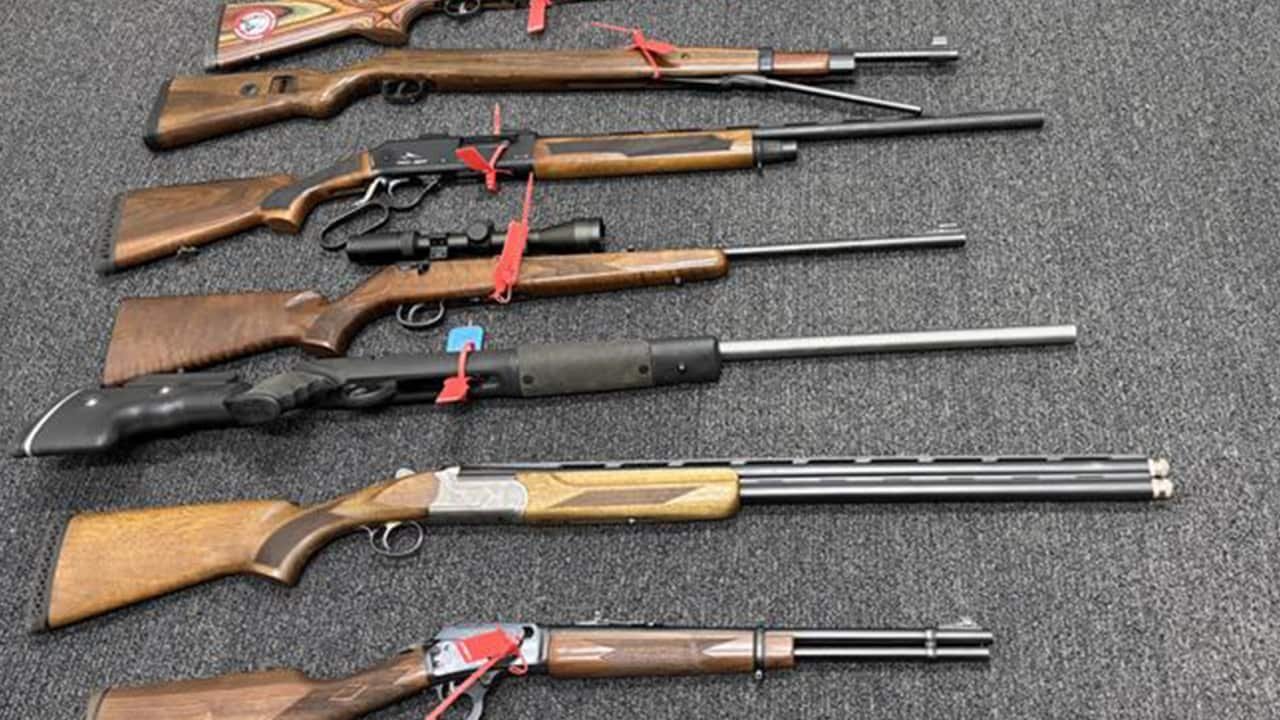
Rear Admiral Polewara acknowledged that some of the weapons used in tribal conflicts in PNG had come from the military. “From this, we can ascertain that some of the weapons from the military have changed hands into the warlords’,” he said. The PNGDF is implementing new systems to secure weapons and cracking down on personnel, but the defence chief conceded that it’s not just soldiers and the military to blame. “It is also being supported by well-to-do [individuals] with networks and money,” he said.
Analysis: What This Means for Australia
The situation in PNG has significant implications for Australia’s national security. If the rifles fall into the wrong hands, it could lead to further instability in the region, potentially threatening Australia’s borders. Moreover, the involvement of powerful elites and politicians in the illegal weapons trade raises concerns about corruption and the rule of law in PNG. Security analysts say that Australia must take a more proactive role in supporting PNG’s efforts to strengthen weapons management and combat the illegal weapons trade.
Law enforcement insiders warn that the situation in PNG is a ticking time bomb, and Australia must take immediate action to address the issue. “We can’t just provide weapons to PNG without ensuring they have the capacity to store them safely,” said one expert. “It’s a recipe for disaster.”