
Australia Weighs Military Response as Iran’s Gulf Attacks Put Thousands of Aussies in Peril
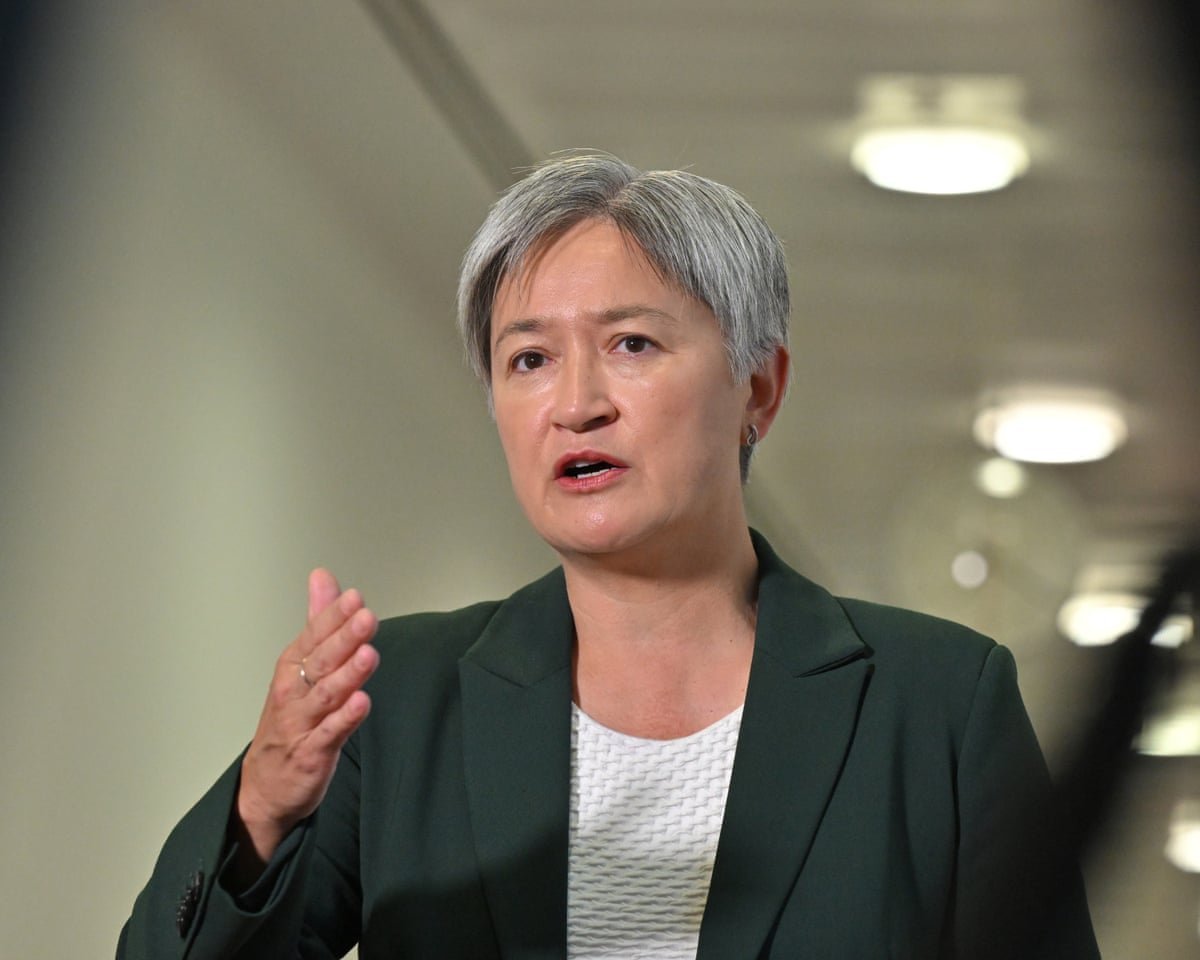
- Foreign Affairs Minister Penny Wong considers military assistance request from Gulf States targeted by Iran
- Thousands of Australians stranded in the region register to return home as tensions escalate
- Australia’s involvement could include defensive measures, but no boots on the ground in Iran
The Australian government is poised to make a critical decision on providing military assistance to Gulf States under attack by Iran, as thousands of Australians remain stranded in the region. Foreign Affairs Minister Penny Wong has confirmed that the government is considering a request for protection against drone and missile attacks, which have targeted civilian infrastructure, including airports.
The war in the Middle East has entered its second week, with all six Gulf States – Oman, the UAE, Saudi Arabia, Bahrain, Kuwait, and Qatar – impacted by Iranian strikes. Wong emphasized that Australia would not participate in offensive action against Iran, but would provide transparent and defensive support to its allies.
The government’s consideration of military assistance comes as thousands of Australians register to return home, with nine flights already having landed in Australia and two more expected to depart today. The Department of Foreign Affairs is working to facilitate the safe return of citizens, with officials advising that commercial flights remain the best option.
Malcolm Davis, senior defence strategy analyst at the Australian Strategic Policy Institute, believes the Gulf States’ primary concern is the Iranian attacks on oil infrastructure by drones and missiles. He suggests that Australia’s limited capacity for counter-drone activity beyond the LAND156 project, still in early development, may restrict its ability to provide significant support.
However, Davis notes that Australia could deploy a small detachment of soldiers with the NASAMS short-range surface-to-air missile system, which could provide some protection to the Gulf States. Alternatively, the government could support Australian companies that have developed anti-drone products to sell to the Gulf States, which would not require direct government involvement.
Analysis: What This Means for Australia
Australia’s potential involvement in the conflict raises critical questions about national security and the implications for the region. Security analysts say that a small deployment of Australian troops to the Gulf States in a defensive capacity may be feasible, but any escalation beyond that would be unlikely. The government must carefully weigh the risks and benefits of involvement, considering the potential consequences for Australian citizens and the broader region.
Law enforcement insiders warn that the situation highlights the need for strengthened border control and counter-terrorism measures to prevent the conflict from spilling over into Australian territory. The government must also consider the economic and social consequences of involvement, including the potential impact on trade and the safety of Australian businesses operating in the region.
Industry observers believe that the government’s decision will have significant implications for Australia’s relationships with its allies and its role in international geopolitics. As the situation continues to unfold, one thing is clear: Australia’s response to the crisis will have far-reaching consequences for the nation’s security, economy, and people.