
Australia’s Middle East Exodus: Stranded Citizens to Flee to Saudi Arabia as Conflict Escalates
- Australians stuck in Qatar will be bused to Saudi Arabia as the government scrambles to bring citizens home safely
- Thousands of Australians are stranded in the Middle East, with 24,000 in the UAE and 115,000 across the region
- Critics slam government efforts, saying airlines have been more helpful in getting people out, with some flights arriving with hundreds of empty seats
The federal government has announced a desperate plan to bus Australians stranded in Qatar to Saudi Arabia, as the conflict in the Middle East escalates and thousands of citizens remain stuck. Assistant Immigration Minister Matt Thistlethwaite revealed the plan, saying that bus transfers from Doha to Riyadh would become available, with the government providing “basic” accommodation support.
The move comes as Qatari airspace remains closed, and the government scrambles to find ways to get citizens home safely. Once in Riyadh, travellers will need to secure seats on commercial flights back to Australia. The Department of Foreign Affairs and Trade (DFAT) is working around the clock to support Australians, but critics say more needs to be done.
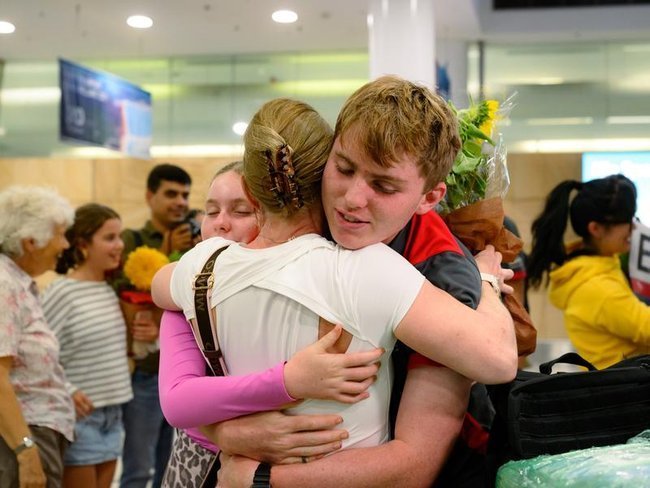
The government is exploring “all options” to return thousands of Australians stranded due to the conflict, including government-commissioned repatriation flights. However, commercial flights remain the best option for now, with the first flight from Abu Dhabi landing in Sydney on Friday morning with only a third of its seats filled.
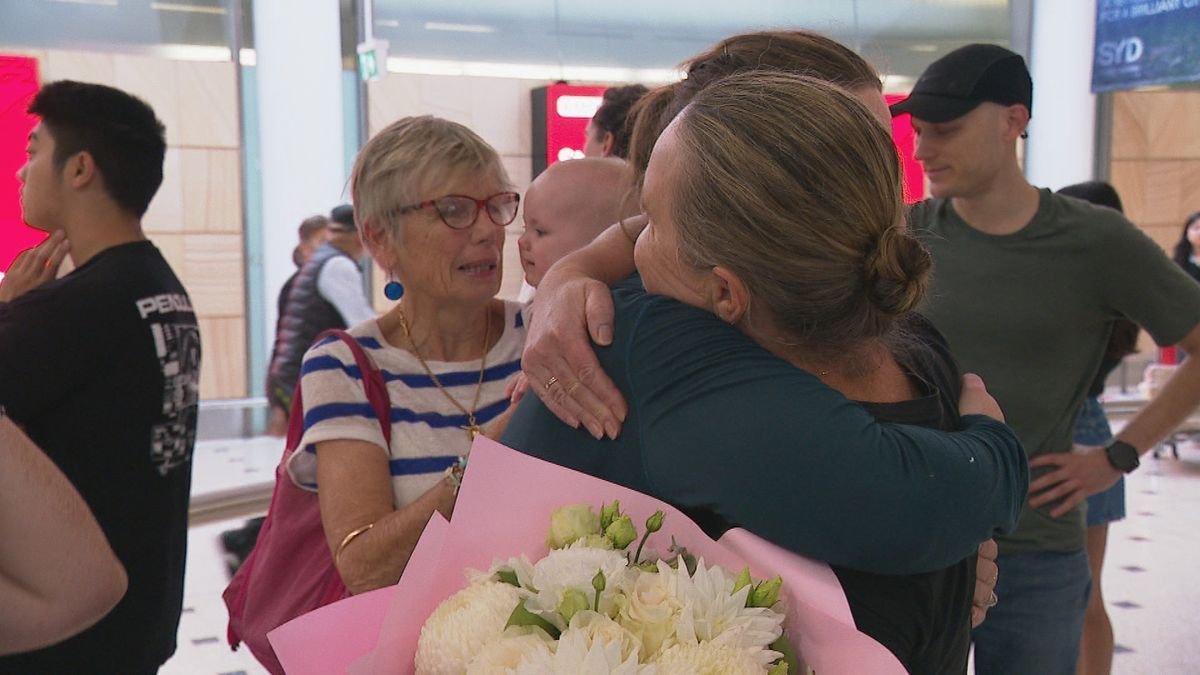
Exhausted Australians returning from the strife-torn region have slammed the government’s efforts, saying airlines have been more helpful in getting them out. Julie Pearce, who was on the Etihad EY450 flight, questioned whether the government was working with airlines to fill the few planes leaving. “They could have got a lot of people on there this morning and they didn’t,” she said.
Foreign Minister Penny Wong expressed disappointment at reports of flights arriving with hundreds of empty seats. Twelve regional countries have been attacked by Iran in the past week, including Israel, Iraq, Jordan, Kuwait, Oman, Qatar, and Saudi Arabia.
As of Saturday morning, 1324 Australians had returned on eight flights from the Middle East since Wednesday. Further services are scheduled, subject to increased drone and missile activity, from Dubai to both Sydney and Melbourne on Saturday.
The department has opened registrations for its Crisis Portal for Australians in Bahrain, Kuwait, and Lebanon, in addition to Iran, Israel, Qatar, and the UAE. Smartraveller continues to advise Australians not to travel to Bahrain, Iran, Iraq, Israel, Kuwait, Lebanon, Palestine, Qatar, Syria, the UAE, and Yemen.
Analysis: What This Means for Australia
The crisis in the Middle East has significant implications for Australia’s national security and public safety. With thousands of citizens stranded, the government’s ability to respond effectively is being tested. The situation highlights the need for robust contingency plans and emergency response mechanisms to ensure the safe return of Australians abroad.
Security analysts say the situation also underscores the importance of strong diplomatic relationships with regional partners, particularly in the Middle East. The government’s response will be closely watched, and its ability to evacuate citizens safely will be seen as a test of its crisis management capabilities.
Industry observers believe the situation will also have economic consequences, particularly for industries reliant on Middle Eastern trade and tourism. The impact on Australian businesses and communities will be significant, and the government’s response will need to take into account the broader economic implications of the crisis.
As the situation continues to unfold, the Australian government faces a critical test of its ability to respond to crises and protect its citizens. The fate of thousands of Australians hangs in the balance, and the government’s response will have far-reaching consequences for national security, public safety, and the economy.