

Medical Scans Sent Overseas: The Shocking Truth Behind Australia’s Radiology Crisis
- Hospitals are outsourcing medical scans to overseas radiologists due to critical staff shortages and rising demand
- Scans are being sent to countries like the UK, Ireland, and South Africa, sparking concerns over patient safety and privacy
- The shortage of radiologists is a global issue, but patient advocates are calling for more government-funded training to address the problem in Australia
- The practice raises questions about who is reading patient medical scans and whether Australian healthcare standards are being compromised
Australia’s radiology departments are facing a critical staff shortage, leading to a shocking practice that is raising eyebrows – hospitals are sending medical scans overseas for reporting. A 7NEWS investigation has revealed that some hospitals are outsourcing medical imaging to countries like the UK, Ireland, and South Africa, where radiologists are working during the day while Australians sleep.
This is not an isolated issue, with health departments across the country confirming that outsourcing diagnostics is common practice. Queensland says it doesn’t allow offshore reporting, but will send scans to other states. Western Australia uses private providers to supplement public capacity, while South Australia employs a company that has doctors in the UK, Ireland, and South Africa. NSW also outsources to overseas radiologists, citing challenges in recruiting local doctors.
The situation is dire, with the Royal Australian and New Zealand College of Radiologists warning of a global workforce shortage of radiologists. “Our preferred option for all radiology reporting is to have locally trained and locally sourced radiologists reporting for that. That is the gold standard,” said Barry Soans, a spokesperson for the college.
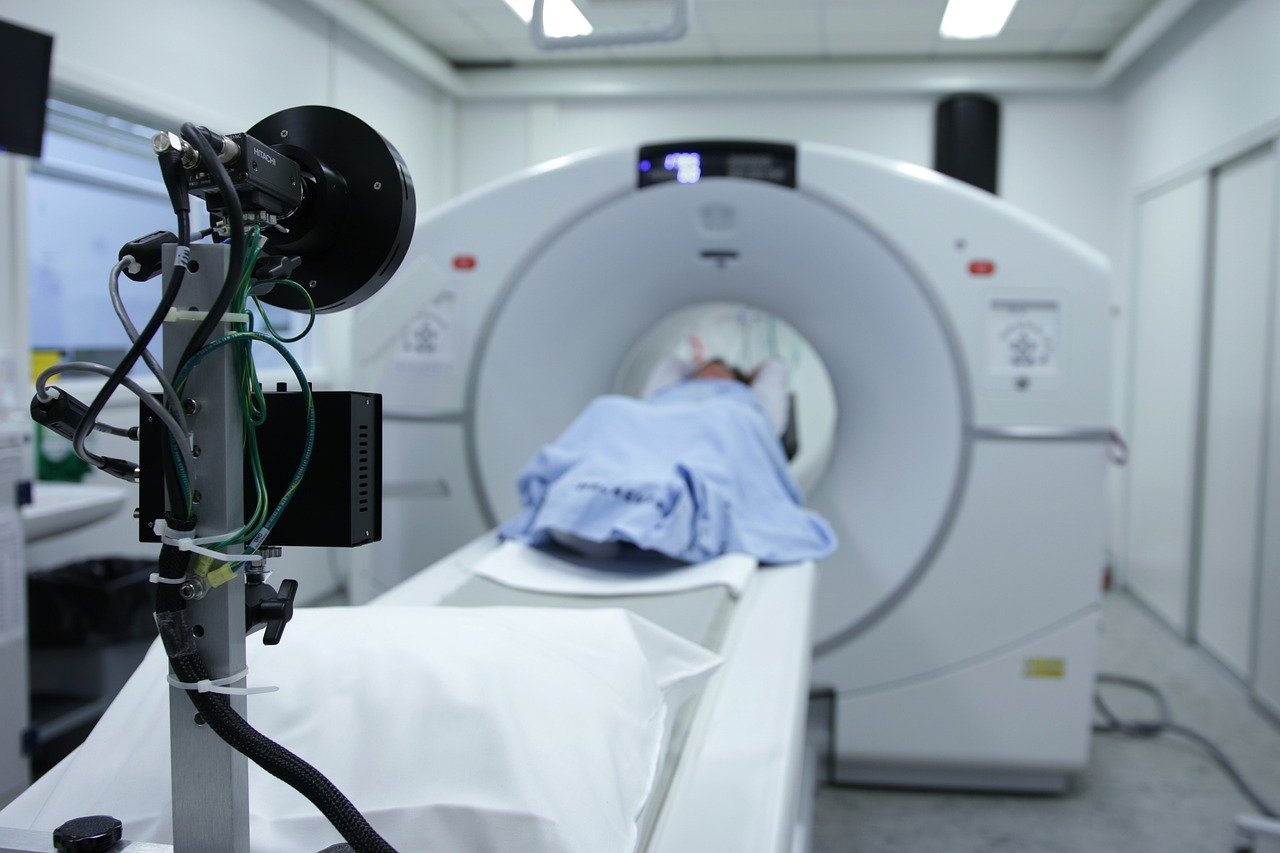
But what does this mean for patient safety and privacy? Health authorities claim that all outsourced reports are completed by radiologists who are registered locally and report to Australian healthcare and safety standards. However, patient advocates are sounding the alarm. “If a scan is misreported, then absolutely that can have diabolical outcomes for a patient, and we absolutely should not have a system that allows that to happen,” said Deidre Mackechnie, a patient advocate.
Analysis: What This Means for Australia
This crisis has significant implications for Australia’s national security and healthcare system. The outsourcing of medical scans raises questions about the country’s ability to protect patient privacy and ensure the quality of medical care. It also highlights the need for urgent action to address the staff shortage in radiology departments.
Security analysts say that the practice of sending medical scans overseas could compromise patient data and create a vulnerability in the healthcare system. “This is a classic example of a cybersecurity risk that could have serious consequences for patients and the healthcare system,” said a security expert.
Law enforcement insiders warn that the shortage of radiologists could lead to delays in diagnosing and treating medical conditions, which could have serious consequences for public safety. “The longer it takes to diagnose and treat a condition, the more likely it is to have serious consequences for the patient and the community,” said a law enforcement source.
Industry observers believe that the government needs to invest in building the workforce to address the critical staff shortage. “If it means that we need to invest in building the workforce, then that’s what needs to happen,” said Mackechnie. The question is, will the government take action to address this crisis before it’s too late?