
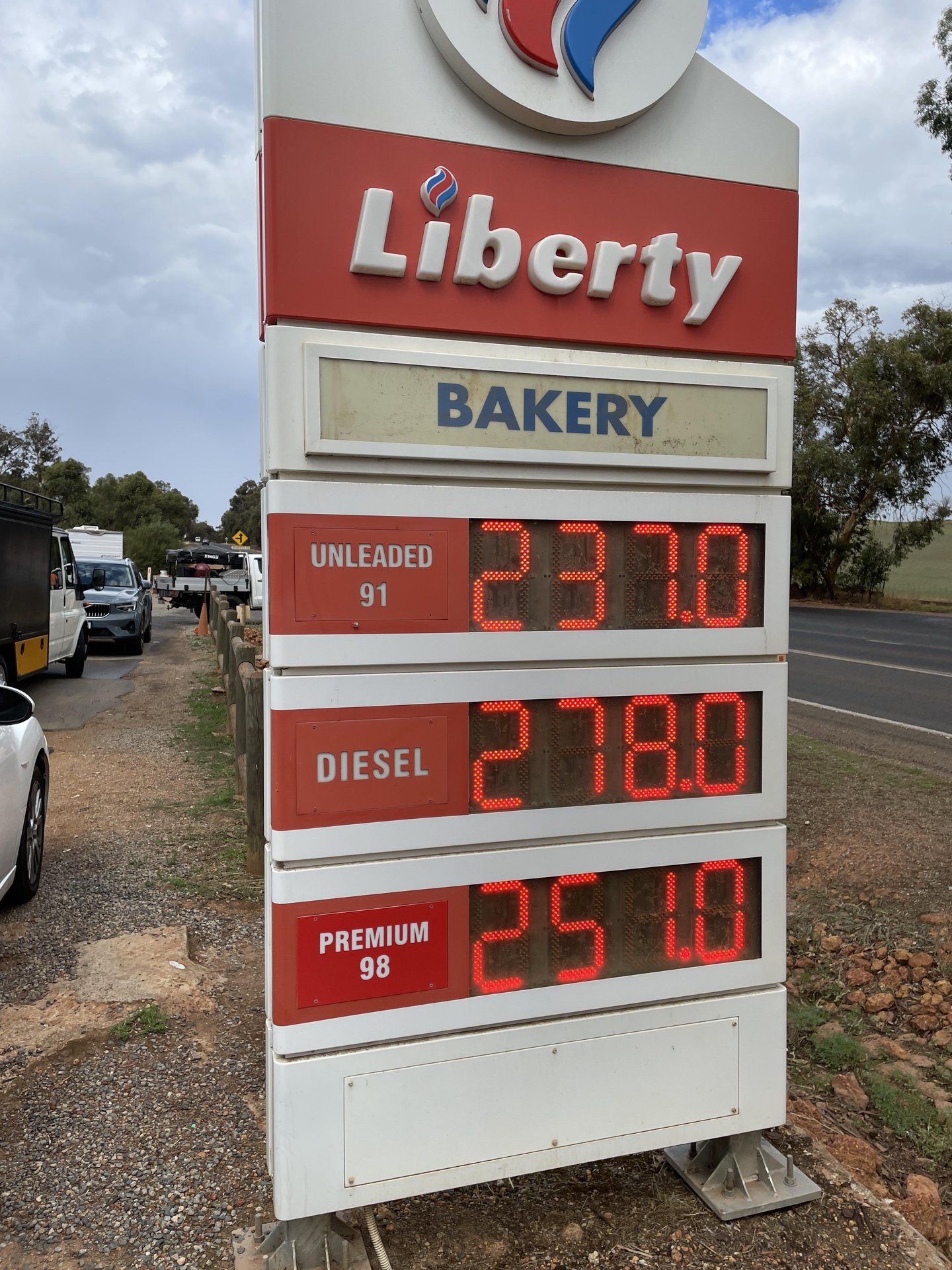
Fuel Crisis Hits Regional Australia: Petrol Stations Ration Supplies as Panic Buying Wreaks Havoc
- Regional towns across Australia are imposing fuel limits and running out of diesel, sparking fears of a fuel crisis
- Petrol stations are rationing supplies to ensure emergency services can access fuel, with some stations limiting purchases to just $20 per customer
- The fuel shortage has sparked a surge in oil prices, with the international benchmark peaking at $US120 per barrel
The fuel crisis gripping regional Australia has reached a boiling point, with petrol stations rationing supplies and imposing strict limits on customers. The flow-on effects of panic buying in cities have smashed regional towns, leaving many without access to diesel and sparking fears of a wider fuel shortage.
In the New England region, one service station owner, Andrew Brown, has limited purchases to just $20 of petrol per customer, barely enough to reach the closest town. Brown said he has enforced the limit to ensure an adequate fuel supply for residents and to have leftover for emergencies.
“We could have lifted our prices and been out of fuel in five days, but instead, we are trying to ration it for up to 15 days,” Brown told NewsWire. Despite running low on fuel, Brown praised his supplier, Transwest Fuel, who delivered fuel last week despite their own petrol stations running low on supply.
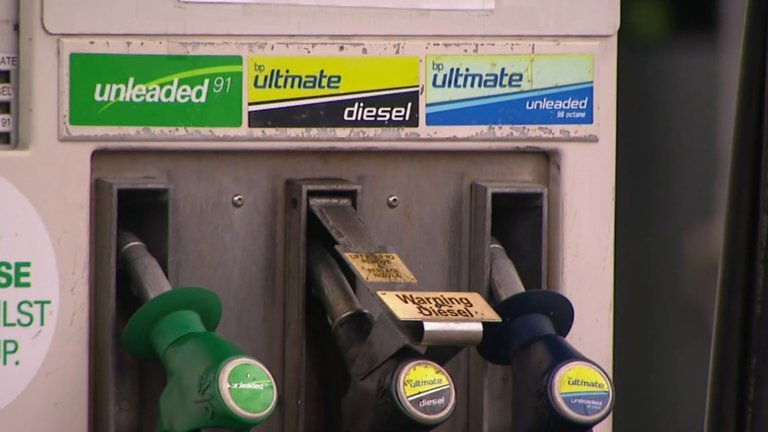
Brown is also stockpiling about 1500 litres of fuel for the emergency services. “We will end up stopping, so we can maintain our SES and our fire brigade, but we aren’t at that stage yet,” he said.
To slow down fuel usage, Brown imposed a limit on fuel sales to the general public. “We had to put a $20 limit, we were going to go $50 but we would have ran out in a week, so we dropped it down to $20,” Brown said.
Most of the locals understand that they need to keep a supply for them. We are 60km away from Tamworth, so in any emergency, they need to be able to get into town, and $20 can get you there,” Brown added.
Brown’s station is not the only one affected, with country towns across Australia reporting fuel caps and diesel shortages. The disruption has spiked oil prices, with the international benchmark peaking at $US120 per barrel, just $US11 short of the price hikes at the start of the Ukraine war.
Prices retreated overnight on Tuesday, following news from US President Donald Trump that the Middle East conflict could soon come to an end. While Australia does not import crude, it does rely on foreign refineries, including from Singapore, South Korea, and Japan.
Energy Minister Chris Bowen has urged motorists against panic buying, assuring that Australia’s fuel supply is secure. “I can say that our diesel and petrol supplies remain at this point secure,” Bowen told reporters at Parliament House.
“We have as much diesel in Australia today as we had before this crisis began, and the stock obligation, which the companies are legally required to meet, remains at 32 days. We are seeing a big increase in demand particularly for diesel, and I understand why Australians are concerned.”
Analysis: What This Means for Australia
The fuel crisis has significant implications for national security, law enforcement, and community safety. With emergency services relying on fuel to respond to emergencies, the shortage poses a significant risk to public safety. Furthermore, the economic consequences of a prolonged fuel shortage could be devastating, particularly for regional communities that rely heavily on diesel.
Security analysts say that the fuel shortage highlights the vulnerability of Australia’s fuel supply chain, which is heavily reliant on foreign imports. “This crisis has exposed the fragility of our fuel supply chain and the need for greater investment in domestic refining capacity,” said one analyst.
Law enforcement insiders warn that the fuel shortage could lead to increased criminal activity, particularly in regional areas where fuel is scarce. “We’re seeing a surge in fuel theft and hijacking of fuel tankers, which poses a significant risk to public safety,” said one insider.
Industry observers believe that the fuel shortage is a wake-up call for the government to invest in alternative energy sources and reduce Australia’s reliance on foreign oil. “This crisis has highlighted the need for a more sustainable and secure energy future for Australia,” said one observer.