
BREAKING: Australia’s Richest Super Fund Holders Slugged with Higher Taxes in Historic Reform
- Australia’s wealthiest superannuation fund holders will be hit with a massive tax hike, affecting over 1 in 200 accounts
- The Greens’ support for the bill marks a major win for Labor, ending a years-long stalemate on the issue
- The reforms will raise $2 billion in 2028-29, but critics argue the changes don’t go far enough in addressing inequality
- The government is now under pressure to make further changes to the tax system, with the Greens calling for “ambitious” reforms in the May budget
The Australian government has finally passed landmark legislation to increase taxes on superannuation fund holders with balances exceeding $3 million, marking a significant victory for the Labor Party. The bill, which will pass the Senate without amendment, has been hailed as a major step towards addressing income inequality in the country.
The reform will see earnings on super balances between $3 million and $10 million taxed at 30%, while those above $10 million will be taxed at 40%. The changes are expected to affect around 1 in 200 super fund holders, with the government estimating it will raise $2 billion in revenue in 2028-29.
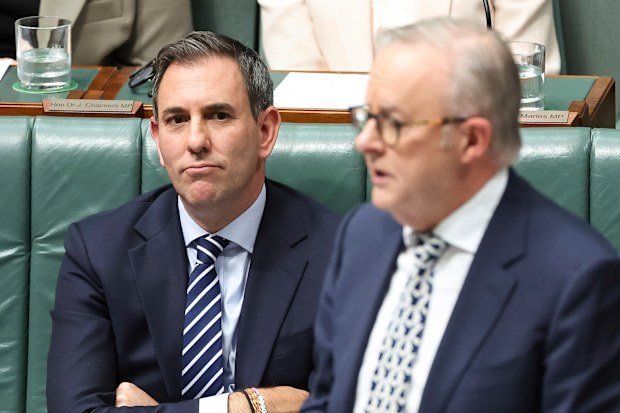
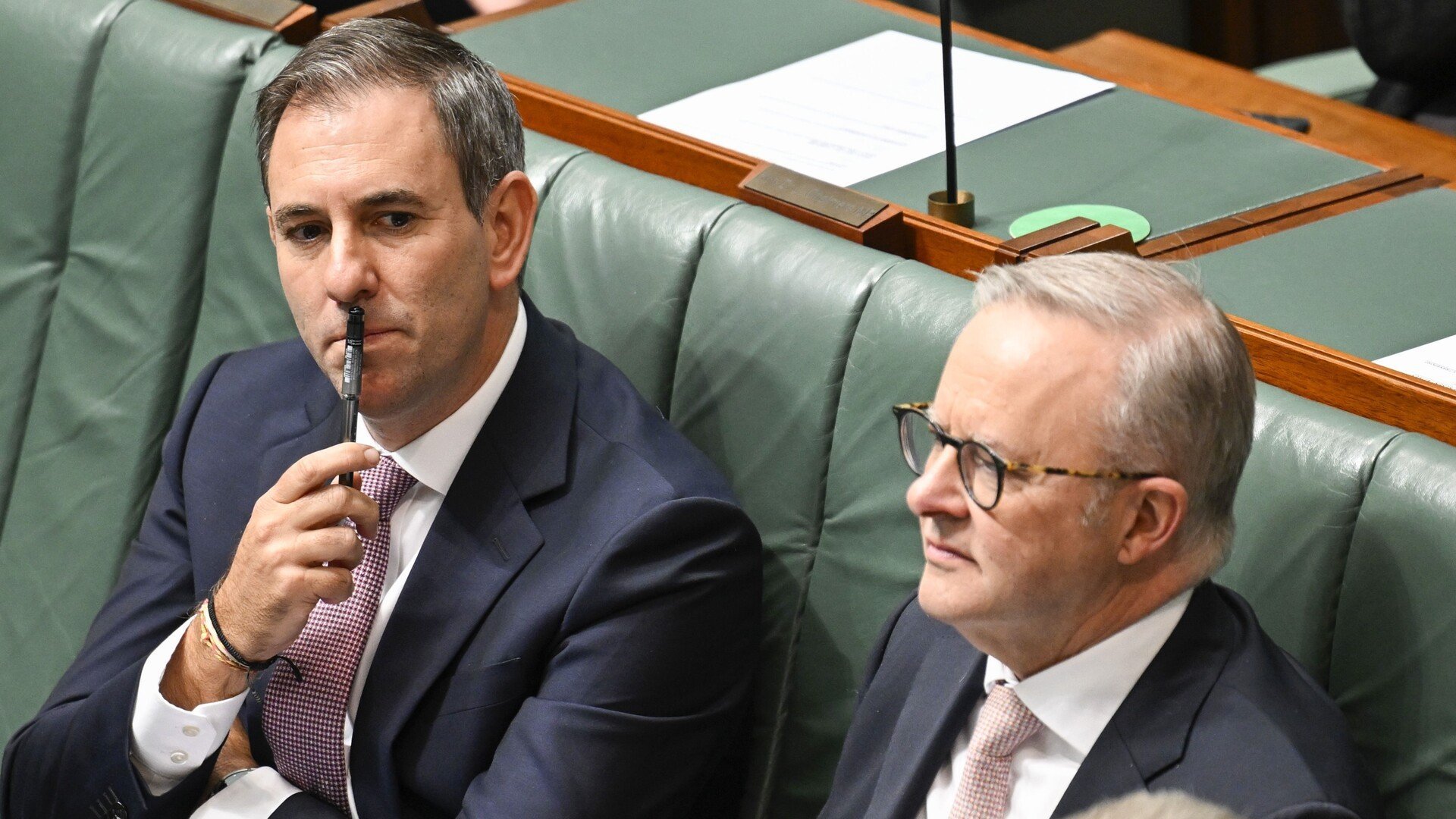
The Greens, who had long supported the policy in principle, finally threw their support behind the bill after Labor addressed their concerns about the initial proposal. Treasurer Jim Chalmers thanked the Greens for their “constructive engagement” and welcomed the development as a significant step forward.
The passage of the bill marks the end of a years-long stalemate on the issue, which had been plagued by controversy over the method of implementation and the threshold for the tax. The revised proposal addresses these concerns, and the Greens have hailed it as a “down payment” of goodwill in the hope that Labor will pursue more ambitious tax policies in the future.
The decision is a major win for Labor, which had faced criticism for its initial proposal. The party is now under pressure to make further changes to the tax system, with the Greens calling for “ambitious” reforms in the May budget. The government is considering options to change the capital gains tax discount and negative gearing, although no decisions have been made.
Analysis: What This Means for Australia
The passage of this bill marks a significant shift in the country’s tax landscape, and has major implications for national security and law enforcement. The increased revenue generated by the tax hike will provide a much-needed boost to the country’s coffers, which will be critical in addressing the ongoing economic and social challenges facing Australia.
Security analysts say the reform will help to reduce the country’s reliance on foreign investment and provide a more sustainable source of revenue for the government. The changes will also have a positive impact on community safety, as the increased revenue will be used to fund critical services and infrastructure projects.
Industry observers believe the reforms will have a positive impact on the country’s economic competitiveness, making it a more attractive destination for investment and talent. The changes will also help to address income inequality, which has been a major concern for policymakers in recent years.
Overall, the passage of this bill marks a major step forward for Australia, and sets the stage for further reforms in the future. As the country continues to navigate the challenges of the 21st century, this reform will be critical in ensuring its economic and social stability.