
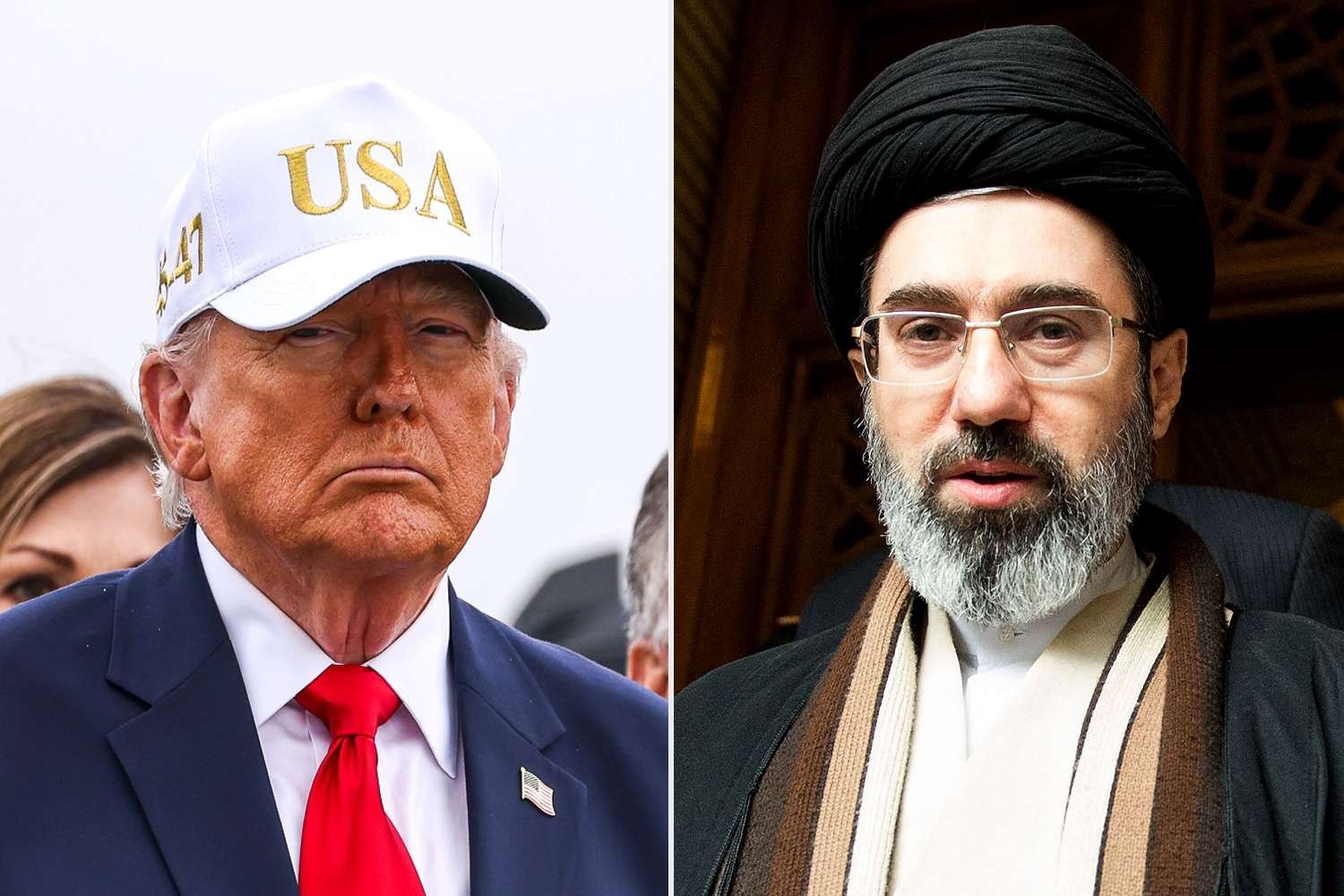
Iran’s New Hardline Leader: The ‘Worst Case’ Scenario Unfolds as Trump Warns of Catastrophic Consequences
- Ayatollah Ali Khamenei’s son Mojtaba takes the reins, sparking fears of a more conservative regime and escalating conflict in the region
- US President Donald Trump warns of the “worst case” scenario, where a more hardline leader takes over, plunging the region into deeper chaos
- Middle East analysts sound the alarm, predicting Mojtaba Khamenei will be a target for assassination and will not accede to Washington’s demands
The sudden rise of Mojtaba Khamenei to the top of Iran’s leadership has sent shockwaves across the globe, with US President Donald Trump warning of a “worst case” scenario that could have catastrophic consequences for the region.
The 56-year-old son of the late Supreme Leader Ayatollah Ali Khamenei was selected by an 88-member panel called the Assembly of Experts on Monday, just over a week after his father’s death in a US-Israeli strike. Trump’s concerns are rooted in the possibility that Mojtaba could be an even more hardline leader than his father, further destabilizing the region.
“I guess the worst case would be we do this and then somebody takes over who’s as bad as the previous person, right?” Trump said in a recent statement. “That could happen. We don’t want that to happen. It would probably be the worst. You go through this and then, in five years, you realize you put somebody in who is no better.”
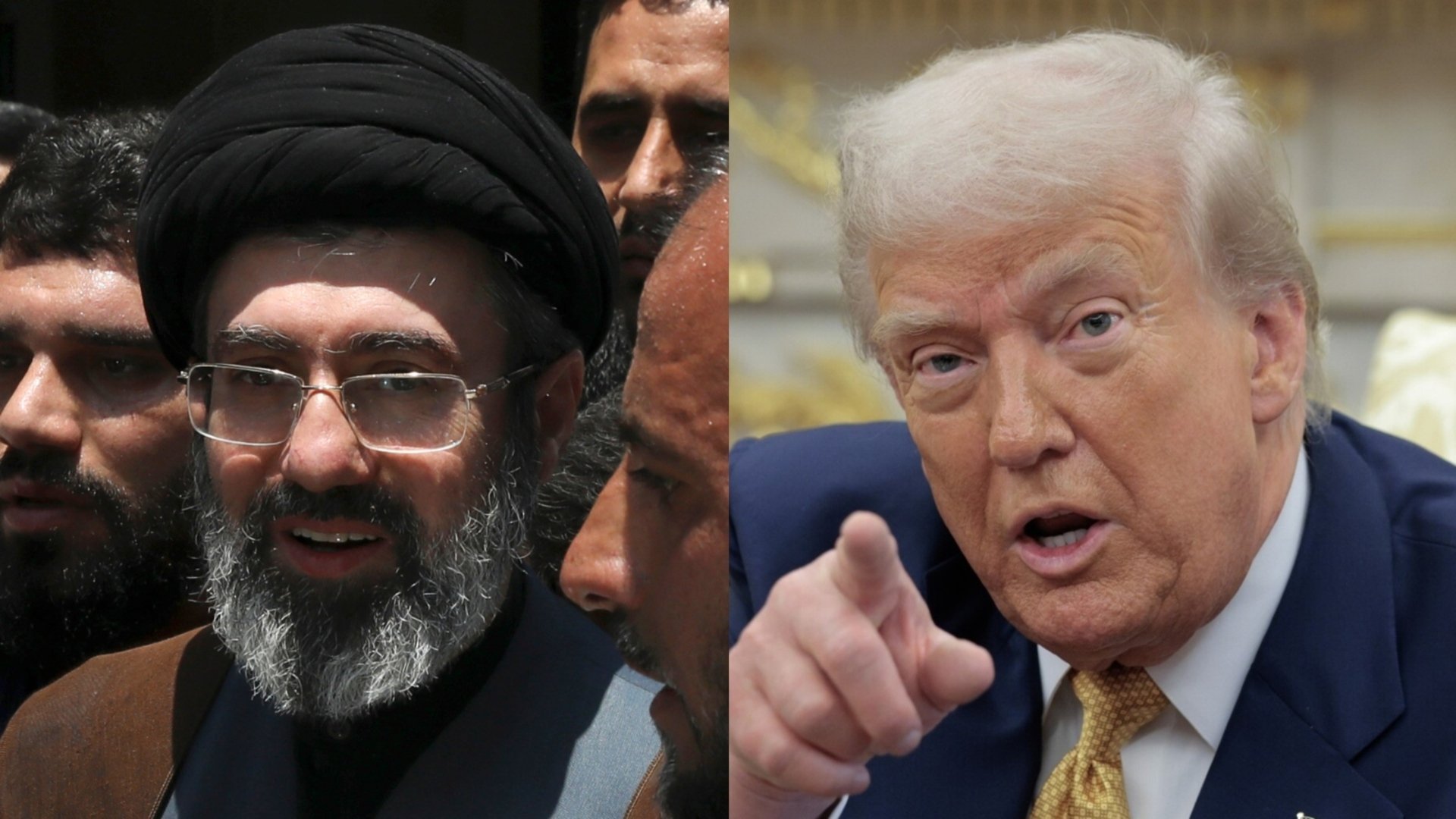
The US President’s comments come as Middle East analysts warn that Mojtaba’s rise to power could bring about a more conservative regime than his father’s. Rodger Shanahan, a Middle East analyst, told Sunrise on Tuesday that Mojtaba is from the conservative faction and is unlikely to accede to Washington’s demands.
“He’s from the conservative faction, his father’s been killed in the opening airstrikes along with one of his sons, along with his mother, along with his wife,” Shanahan said. “You would imagine he is the embodiment of the Iranian revolution and there’s no indication, either ideologically before the opening strikes and certainly not now, that he’s going to be acceding to any of Washington’s requests.”
Shanahan also warned that Mojtaba could now be a target for assassination from the US and Israel, following the attack on his father’s compound and the Assembly of Experts building in the Iranian city of Qom.
Analysis: What This Means for Australia
The implications of Mojtaba’s rise to power are far-reaching and could have significant consequences for Australia’s national security. The ongoing war in the region has already raised concerns about the potential for terrorist activity on Australian soil. With a more hardline leader at the helm, the risk of Iran-backed terrorist groups targeting Australian interests increases.
Security analysts say that Australia must be prepared to adapt its counter-terrorism strategies to address the evolving threat landscape. This may involve increased cooperation with regional partners and a renewed focus on intelligence gathering and sharing.
Furthermore, the lack of clear communication on the reasoning behind the war in Iran has raised concerns about the country falling deeper into chaos. The ambiguity surrounding the US’s strategic end state has created uncertainty, making it difficult for Australia to develop an effective response to the crisis.
“This is part of the problem … we really have limited understanding of what President Trump’s strategic end state, or acceptable strategic end state, is because it wasn’t articulated at the start,” Shanahan said. “We actually don’t actually know what’s going to satisfy him or when he’s going to say, in the Trumpian way, ‘We’ve won and it’s time to stop the conflict’.”
As the situation continues to unfold, one thing is clear: the rise of Mojtaba Khamenei has brought the region to a critical juncture. It is imperative that Australia takes a proactive approach to addressing the security implications of this development, lest we risk being caught off guard by the “worst case” scenario.