
Rat Poison Ban Looms as Australia Cracks Down on Deadly Wildlife Threat
- Popular rat baits could soon be ripped from shelves as Australia’s pesticide regulator imposes strict new rules
- The move is a major win for wildlife advocates, who have long warned of the devastating impact on native animals
- The ban could have far-reaching consequences for pest control operators and homeowners alike
Australia is on the brink of a rat poison ban that could change the way we tackle pest control forever. The Australian Pesticides and Veterinary Medicines Authority (APVMA) has declared second-generation anticoagulant rodenticides (SGARs) a restricted chemical product, paving the way for a nationwide crackdown on the deadly substances. The move comes after years of campaigning from wildlife advocates, who have sounded the alarm over the devastating impact of SGARs on native animals.
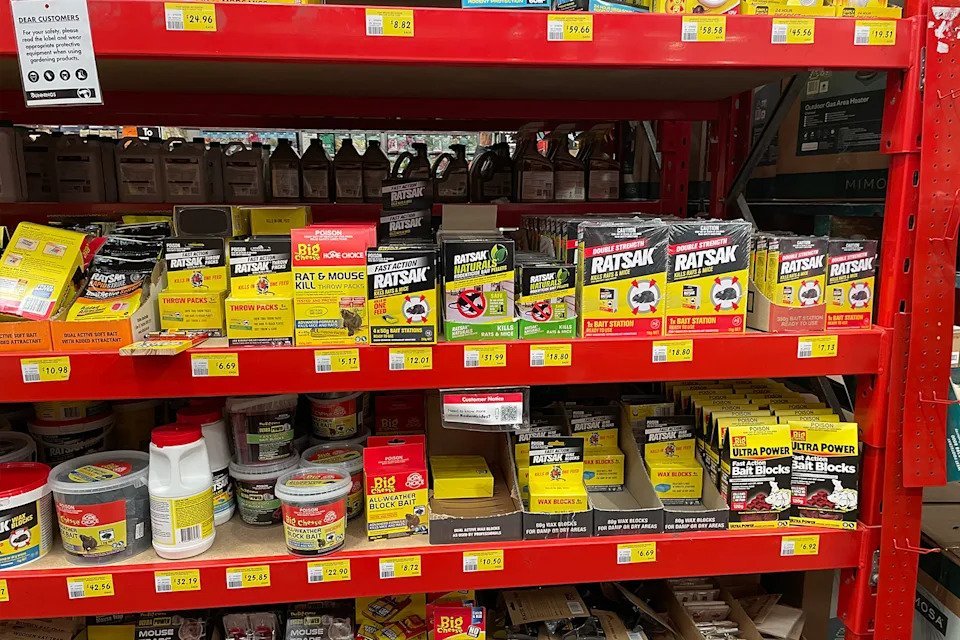
The APVMA’s ruling means that popular, commercially available rat baits will soon be off-limits to the general public. Only licensed operators, such as pest controllers, will be able to purchase these products, which have been linked to the deaths of countless native birds, reptiles, and other animals. The regulator’s decision marks a major shift in the way Australia approaches pest control, and could have significant implications for homeowners, farmers, and the environment.
The story behind the ban is a complex one. SGARs have been used for years to control rodent populations, but their toxicology and long half-life in the environment have made them a ticking time bomb for non-target species. When rodents ingest SGARs, they become poisoned, and any animal that consumes them – including owls, eagles, and other native birds – can suffer lethal or crippling consequences. The impact on Australia’s unique wildlife has been devastating, with many species pushed to the brink of extinction.
The APVMA’s decision is a major victory for wildlife advocates, who have been fighting for a ban on SGARs since 2020. “Ideally, we would like them completely out of use,” said Tara Finch, manager of the Capes Raptor Centre in Western Australia. “Anywhere they’re being used, they have the potential to cause harm, and you can’t guarantee they’re going to remove poisoned rodents from the environment.”
But the ban is not without its challenges. Pest control operators will need to adapt to new regulations and protocols, and homeowners may need to find alternative solutions to tackle rodent infestations. The APVMA will work with state and territory governments to enact the ban in coming months, and it remains to be seen how the new rules will be enforced.
Analysis: What This Means for Australia
The ban on SGARs has significant implications for Australia’s national security, public safety, and the environment. By restricting access to these deadly substances, the APVMA is taking a crucial step towards protecting our unique wildlife and preventing further harm to non-target species. But the move also raises important questions about the role of pest control in modern Australia, and the need for more sustainable, environmentally-friendly solutions.
Security analysts say the ban will have a ripple effect on the pest control industry, forcing operators to rethink their strategies and adopt more targeted approaches. “This is a wake-up call for the industry,” said one expert. “It’s time to move away from blanket solutions and towards more nuanced, species-specific approaches that minimize harm to non-target species.”
Law enforcement insiders warn that the ban will also have implications for the black market trade in SGARs. With the substances no longer available over-the-counter, there is a risk that illegal suppliers will fill the gap, putting native animals at even greater risk.
Ultimately, the ban on SGARs is a critical step towards a more sustainable, environmentally-friendly approach to pest control in Australia. By restricting access to these deadly substances, we can protect our native wildlife, prevent further harm to non-target species, and ensure a safer, more secure future for generations to come.