
‘Flooded and Forgotten’: Northern Territory Farmers Abandoned in Devastating Top End Deluge
- Rural properties across the Top End are isolated and cut off, with farmers feeling overlooked by the emergency response.
- Floods have killed multiple horses and destroyed critical fodder crops, threatening the NT’s cattle industry.
- Katherine residents are using boats to assist rural properties, as the region struggles to recover from “devastating” flooding.
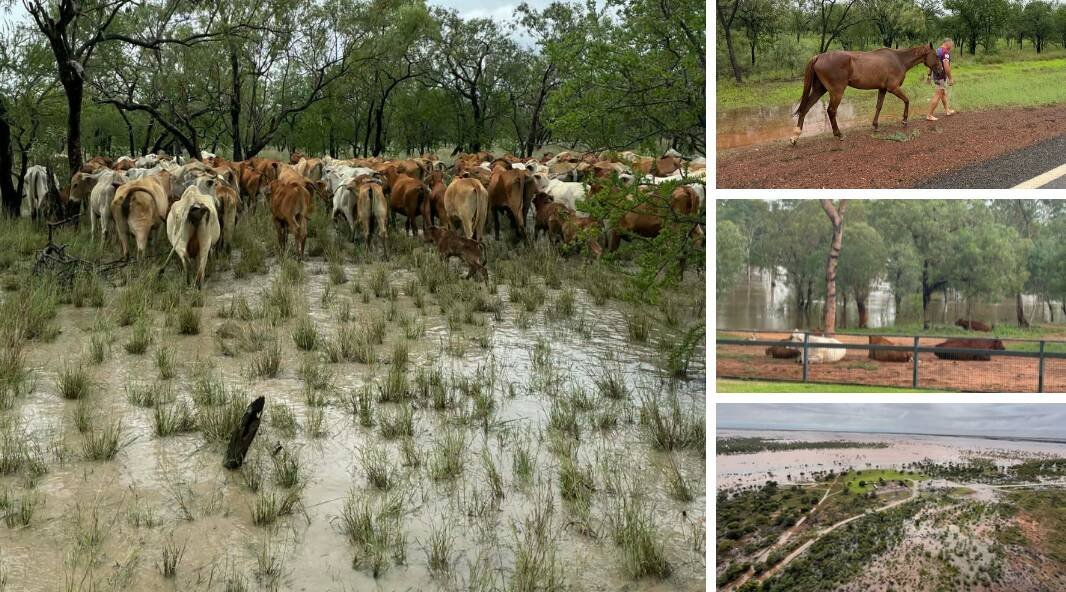
Farmers in the Northern Territory are reeling from the devastating impact of flooding across the Top End, with many feeling abandoned by the emergency response. As the town of Katherine begins to recover, rural residents remain isolated, relying on boats and helicopters to get supplies. The floods have brought destruction and heartbreak, with one family losing multiple horses and many farmers facing significant losses.
The floods have had a catastrophic impact on the region’s rural properties, with fodder crops in the Douglas Daly region underwater and potentially affecting the NT’s cattle industry. Farmers are struggling to cope with the aftermath, with many feeling overlooked by the emergency response. “Many farms around Katherine and Edith have suffered devastating losses — livestock lost, kilometres of fencing destroyed, irrigation infrastructure damaged,” said Kendall Axford, a horse breeder who lost most of her animals in the floods. “Paddocks inundated and both property access roads and internal farm roads washed out.”
The NT government has defended its response, with Infrastructure Minister Bill Yan saying authorities are managing multiple flood events across vast distances. However, many farmers feel that the government’s response has been inadequate, with some calling for more support specifically designed for primary producers. Member for Katherine Jo Hersey said the government had delivered food and essential supplies to isolated residents via helicopter, but more needs to be done.
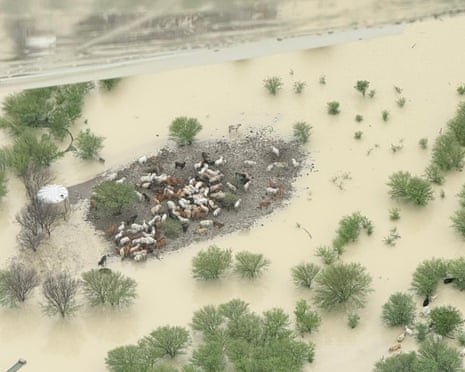
The floods have also had a significant impact on the region’s infrastructure, with roads and bridges damaged or destroyed. The Douglas Daly region, which is the engine room for hay production in the Top End, has been particularly hard hit. Fodder-crop growers Chris and Amanda Howie said the flood would have impacts on the wider cattle industry, with many crops potentially lost and roads needing urgent repair.
Analysis: What This Means for Australia
The floods in the Top End have significant implications for Australia’s agricultural industry, particularly in the NT. The loss of critical fodder crops and infrastructure will have a ripple effect on the cattle industry, potentially leading to shortages and price increases. Furthermore, the impact on rural communities cannot be overstated, with many farmers and residents feeling abandoned and overlooked by the emergency response. The Australian government must take a more proactive approach to supporting rural communities in times of crisis, ensuring that they receive the support they need to recover and rebuild.
Security analysts say the floods also highlight the need for improved infrastructure and emergency response planning in remote areas. The NT government’s response has been criticized for being slow and inadequate, with many farmers and residents feeling left to fend for themselves. This raises concerns about the government’s ability to respond to future natural disasters and its commitment to supporting rural communities.
Industry observers believe the floods will have long-term consequences for the NT’s economy, particularly in the agricultural sector. The loss of critical infrastructure and crops will take months to recover from, and the impact on the cattle industry will be felt for years to come. The Australian government must take a proactive approach to supporting rural communities and investing in infrastructure to prevent similar disasters in the future.