
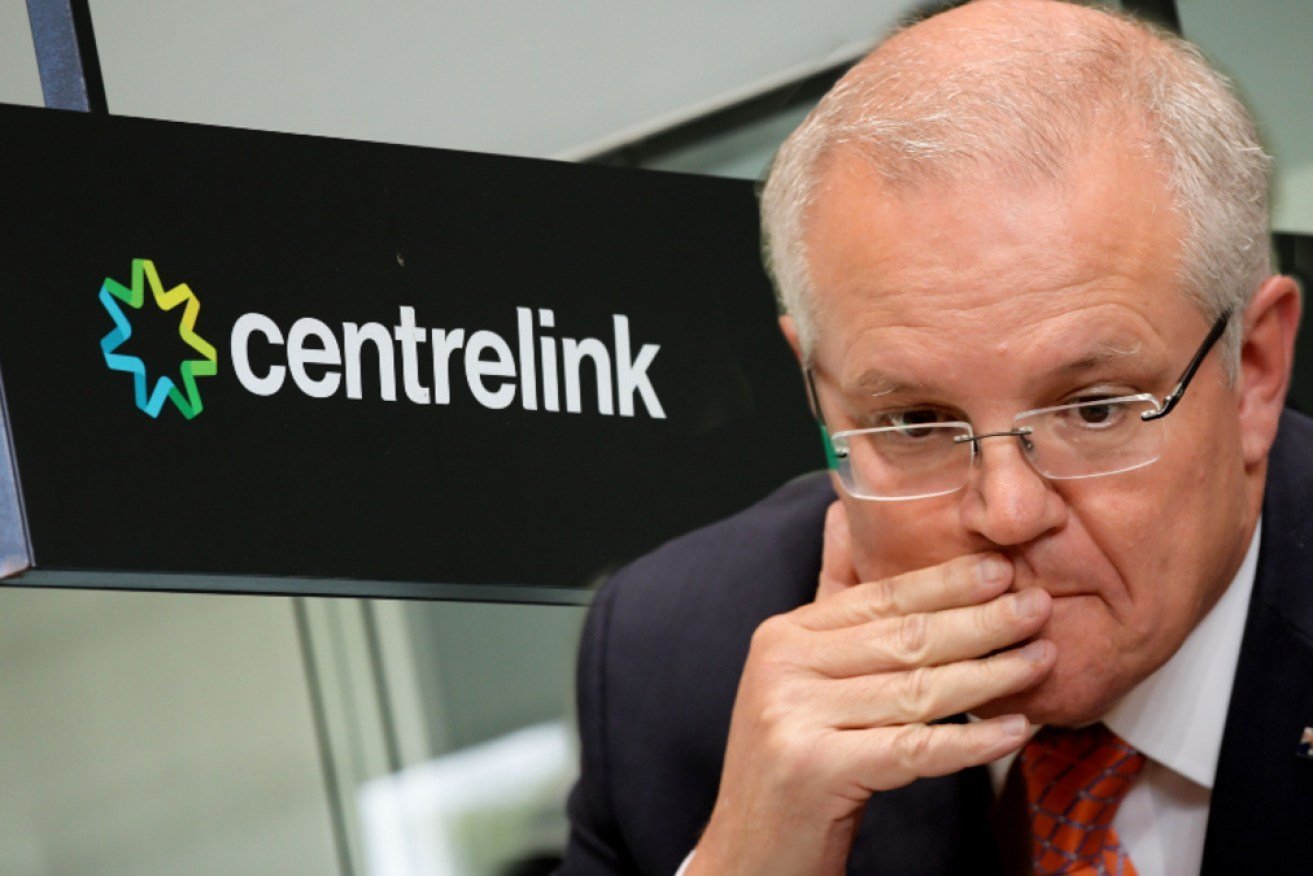
Robodebt Scandal: Two Public Servants Found Guilty of Corrupt Conduct, but No Criminal Charges Loom
- Two public servants found guilty of corrupt conduct in the Robodebt scheme, but they will not face criminal charges
- Former Prime Minister Scott Morrison cleared of corrupt conduct, despite being Social Services Minister when the scheme was proposed
- The scheme caused significant distress to many, with some victims taking their own lives, and has been linked to multiple suicides
The National Anti-Corruption Commission (NACC) has found two public servants guilty of corrupt conduct in the Robodebt scheme, a scandal that has been described as a “crude and cruel mechanism”. However, despite the findings, the NACC has decided not to refer the pair to face criminal charges.
The Robodebt scheme, which was introduced in 2015, used an income averaging algorithm to incorrectly demand hundreds of thousands of welfare recipients pay debts they did not owe. About 443,000 welfare recipients received false debt notices, with some told they owed the government tens of thousands of dollars. The scheme caused significant distress to many, with some victims taking their own lives, and has been linked to multiple suicides.
The NACC’s report found that Mark Withnell, the former general manager of business integrity at the Department of Human Services, engaged in corrupt conduct when he misled public servants who were preparing a federal cabinet submission. Serena Wilson, the former deputy secretary at the Department of Social Services, was also found to have engaged in corrupt conduct by intentionally misleading the Ombudsman in 2017.
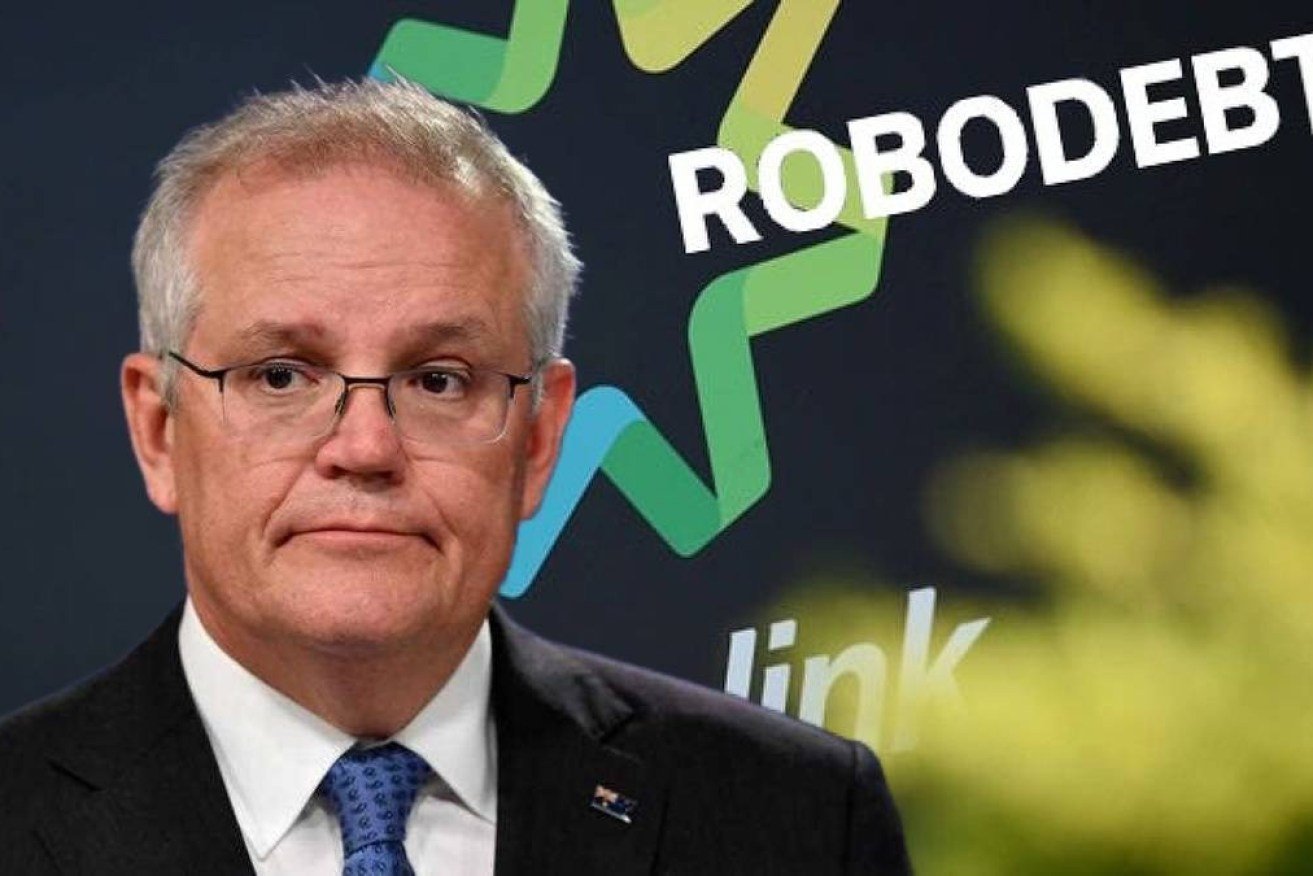
Despite the findings, the NACC concluded that there was “insufficient admissible evidence” and did not consider it “appropriate” to refer the pair to the Commonwealth Director of Public Prosecutions. The decision has been met with disappointment from some, including Independent MP Andrew Wilkie, who described the NACC’s findings as a “rare moment of accountability” but noted that many people would be disappointed that no criminal referrals have been made.
The NACC’s report also cleared former Prime Minister Scott Morrison of corrupt conduct, despite him being the Social Services Minister when the scheme was proposed. The report found that Mr Morrison’s failure to detect misleading information was not in breach because he was expected to rely on the advice of his department.
Mr Morrison has welcomed the findings of the report, saying that department officials were to blame for not providing proper advice. “The NACC has rightly concluded that Ministers must be able to rely on the accuracy of the advice provided by their departments, especially on matters of technical expertise, and receive that advice in good faith,” he said.
Analysis: What This Means for Australia
The Robodebt scandal has highlighted serious flaws in the government’s handling of welfare payments and the need for greater accountability in the public service. The fact that two public servants have been found guilty of corrupt conduct, but will not face criminal charges, raises serious questions about the effectiveness of the NACC and the government’s commitment to holding public officials accountable.
Security analysts say that the Robodebt scandal has also highlighted the need for greater transparency and accountability in government decision-making. “The fact that the government was able to introduce a scheme that caused so much harm to so many people, without proper scrutiny or oversight, is a serious concern,” said one analyst.
Law enforcement insiders warn that the lack of criminal charges in this case may embolden public officials to engage in corrupt conduct, knowing that they are unlikely to face serious consequences. “This sends a dangerous message that corrupt conduct will be tolerated, as long as you’re a public servant,” said one insider.
The Robodebt scandal has also had significant economic and social consequences for Australia. The government’s $475 million compensation package to victims is a small fraction of the total cost of the scheme, which is estimated to be in the billions. The scandal has also damaged public trust in the government and the public service, and has highlighted the need for greater accountability and transparency in government decision-making.