
Fuel Price War: Victoria Cracks Down on ‘Price Gouging’ as Global Oil Crisis Hits Home
- Fuel price hikes to be capped in Victoria as global oil prices soar above $US100 a barrel
- New anti-price gouging laws introduced to stop petrol stations ripping off motorists
- Australian families and businesses feeling the pinch as fuel prices skyrocket, with truck drivers facing $3000 bills to fill up
- Economists warn of inflationary pressures as war in the Middle East drives up oil prices
The fuel price crisis has reached boiling point, with the Victorian government introducing new laws to cap price hikes and prevent petrol stations from “ripping off” motorists. The move comes as global oil prices skyrocket above $US100 a barrel, driven by the ongoing war in the Middle East and supply chain disruptions.
The new laws, announced by Premier Jacinta Allan, will require petrol stations to set their fuel price by 2pm each day, with any changes to take effect from 6am the following day. While stations will be able to reduce their prices during this period, they will not be allowed to increase them above the capped rate. Breaches of the law will attract fines of at least $3000 for individual stations, rising to a minimum $24,000 fine if taken to court.
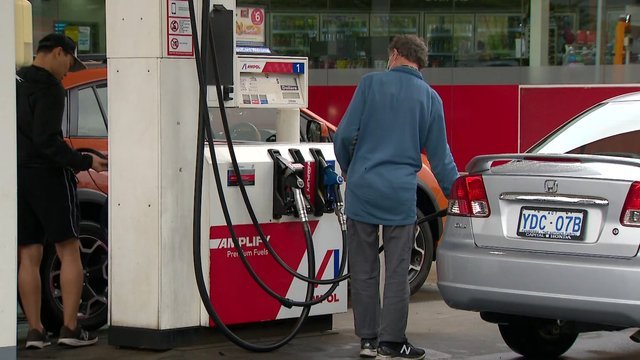
The move is a welcome relief for Victorian motorists, who have been hit hard by rising fuel prices. According to the state government, the new laws will help families save hundreds of dollars a year. “How often do you see a cheap price in the morning only for it to jump by the afternoon?” Premier Allan said. “We’re stopping families from getting ripped off at the servo and helping them save hundreds a year.”
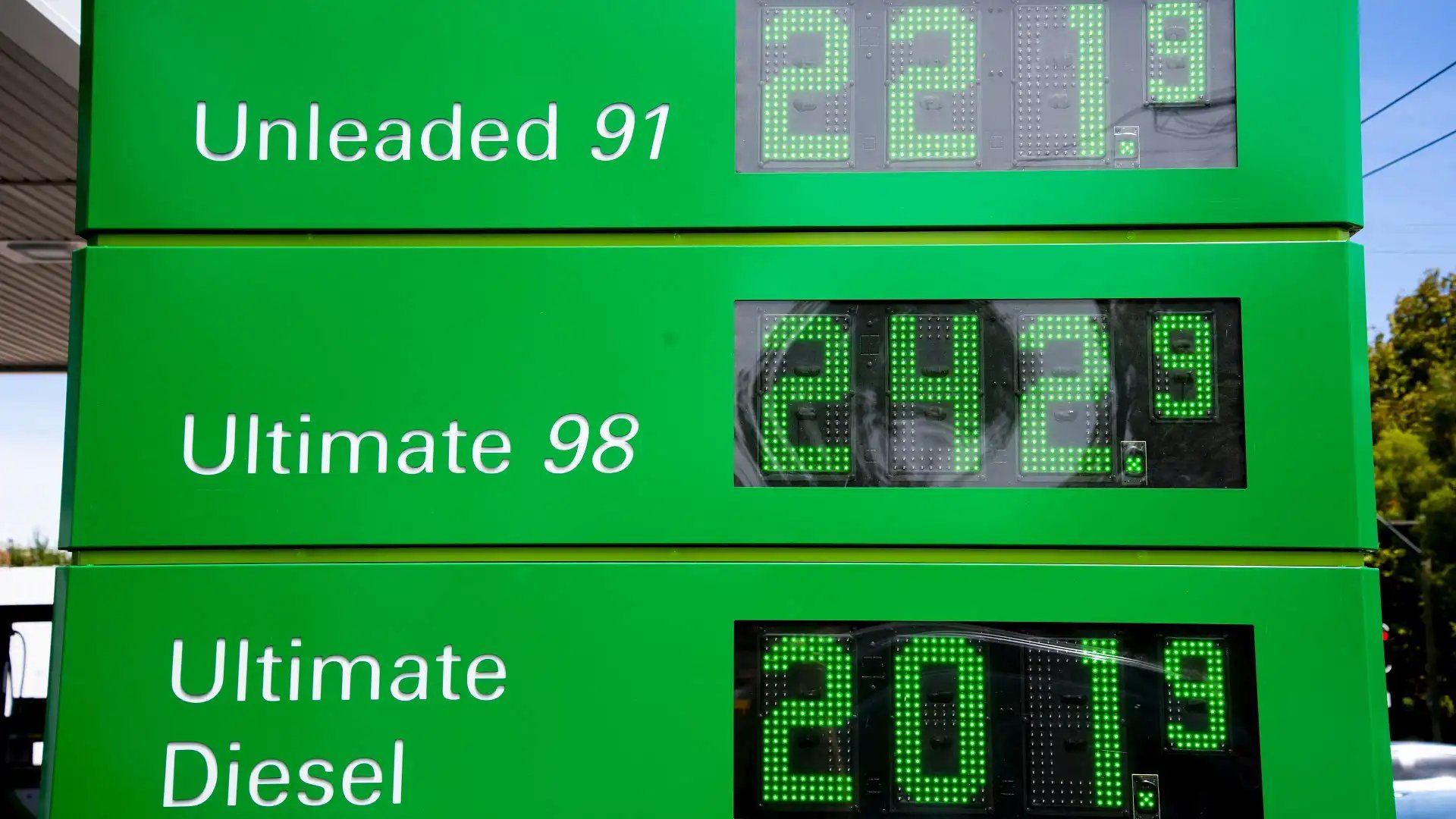
The introduction of the new laws comes as the global price of oil reaches its highest point since the Russian invasion of Ukraine in 2022. The average cost of petrol in Australia has now surpassed $2 per litre, with diesel prices spiking to $2.40 a litre. The increased cost is expected to have a flow-on effect, with truck drivers reporting that transporting goods is now costing them twice as much.
“It usually costs me about $1200 to $1500, and now it’s $3000,” said South Australian truck driver Steven. “Who absorbs that cost? The boss, and he has to pass it onto the customers for sure.” The increased cost of fuel is also expected to be passed on to Australian homes in the form of more expensive groceries.
Analysis: What This Means for Australia
The fuel price crisis has significant implications for national security, law enforcement, and the economy. As the war in the Middle East continues to drive up oil prices, Australia’s fuel supply chain is under pressure. The flow-on effects of rising fuel prices will be felt across the economy, with inflationary pressures likely to increase. Security analysts say that the crisis highlights the need for Australia to diversify its fuel sources and reduce its reliance on imported oil.
Law enforcement insiders warn that the fuel price crisis could also lead to an increase in fuel theft and other criminal activity. As fuel prices rise, motorists may be tempted to take matters into their own hands, leading to a rise in fuel theft and other forms of illegal activity.
Industry observers believe that the fuel price crisis will have a significant impact on the economy, with small businesses and households likely to bear the brunt of the increased costs. As the cost of fuel continues to rise, businesses will be forced to pass on the increased costs to consumers, leading to higher prices for goods and services.
While the new laws introduced by the Victorian government are a step in the right direction, more needs to be done to address the root causes of the fuel price crisis. As the war in the Middle East continues to drive up oil prices, Australia must take steps to secure its fuel supply chain and reduce its reliance on imported oil. The fuel price crisis is a wake-up call for Australia – it’s time to take action.