
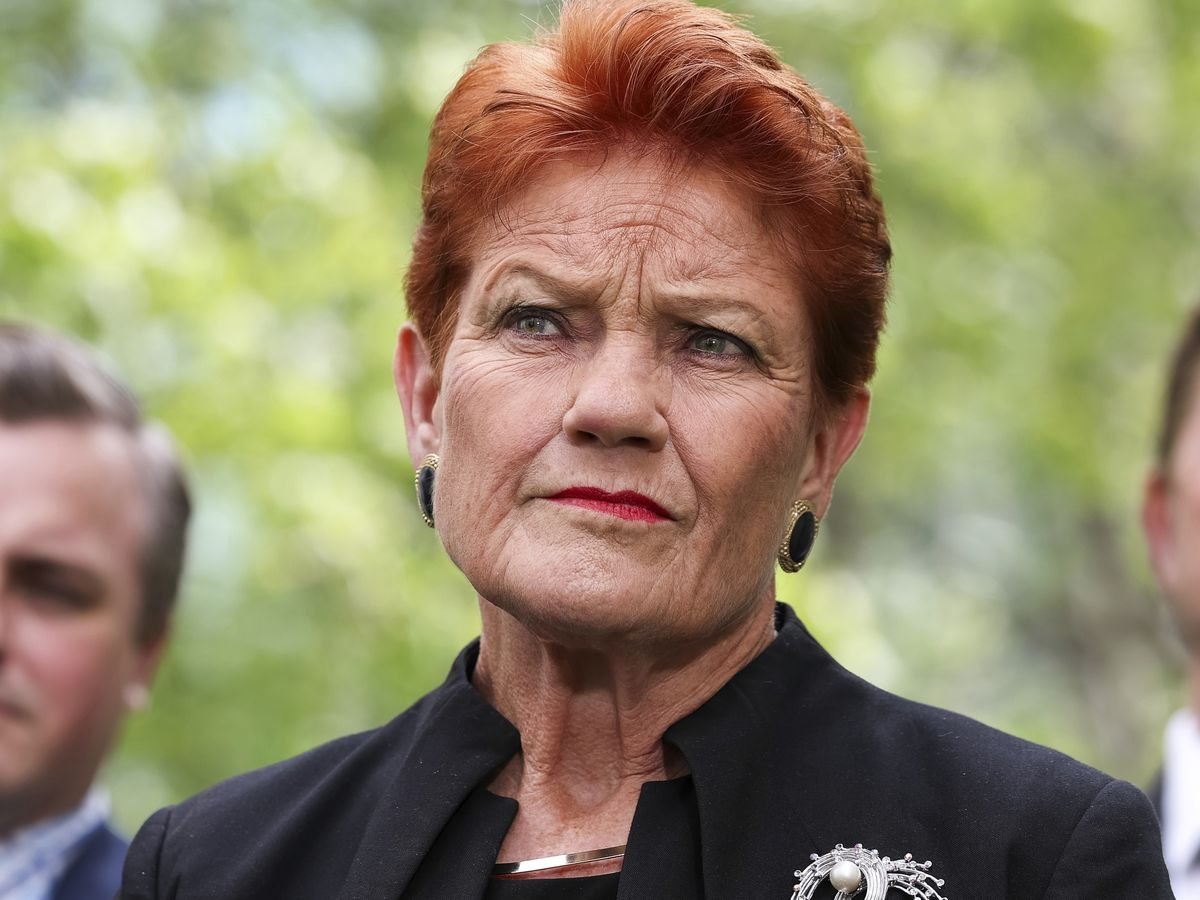
One Nation’s Worst Nightmare: Matt Canavan Vows to ‘Fight Back’ Against Pauline Hanson’s Divisive Politics
- Matt Canavan takes aim at Pauline Hanson’s “divisive brand of politics” as he becomes the new leader of the National Party
- Hanson fires back, accusing Canavan of being “woke” and plotting to oust his Nationals colleague Michelle Landry
- The battle for the conservative vote has only just begun, with the Coalition facing a massive task to rebuild its economic case and win back metropolitan and suburban voters
The rise of Matt Canavan to the leadership of the National Party has sparked a fierce battle for the conservative vote, with the new leader vowing to “fight back” against Pauline Hanson’s divisive politics. The war of words between Canavan and Hanson has only just begun, but it’s clear that the stakes are high, with the future of the Coalition hanging in the balance.
Canavan’s leadership pitch to colleagues was built on his ability to take on Hanson and her One Nation party, which has seen a rapid rise in popularity in recent months. And in his first press conference as leader, he wasted no time in criticising Hanson’s brand of politics, accusing her of being divisive and questioning her record of delivery.
Hanson hit back, accusing Canavan of being “woke” and suggesting that he was plotting to oust his Nationals colleague Michelle Landry from her central Queensland seat. But behind the insults, it’s clear that Hanson is nervous about the threat Canavan poses to her party’s growing influence.
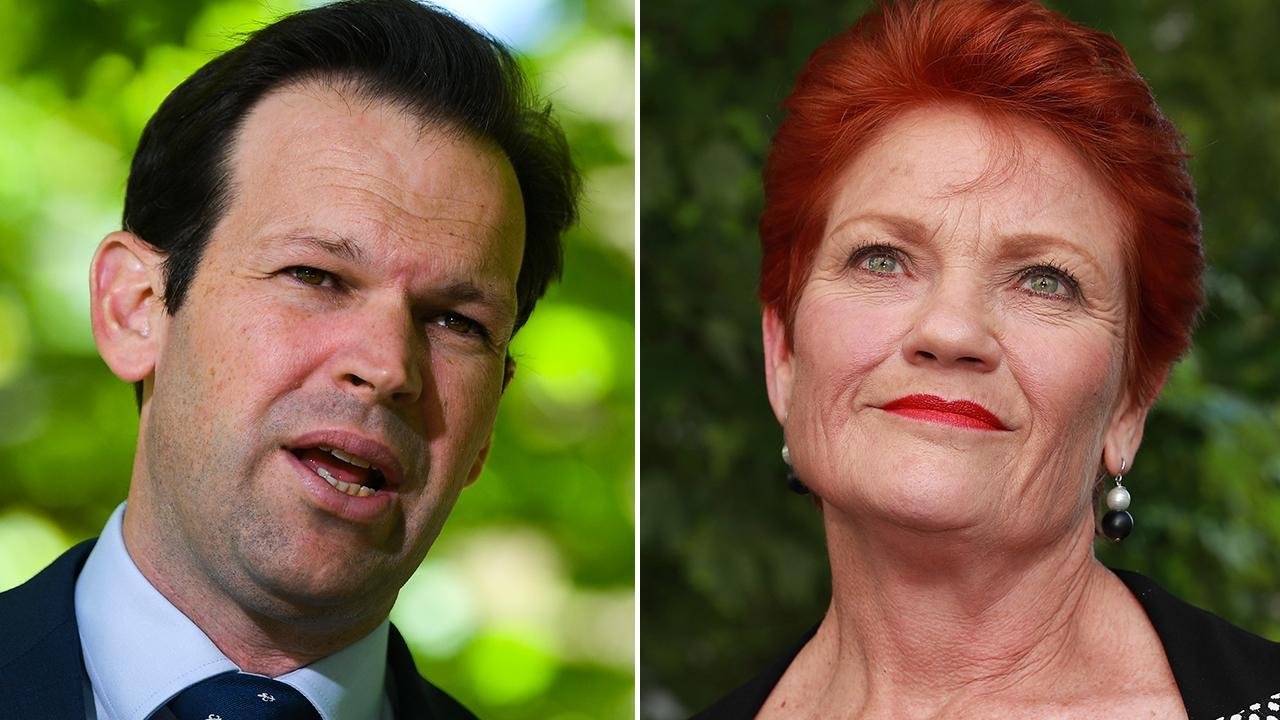
The battle between the Nationals and One Nation is just one part of the Coalition’s electoral dilemma. The party faces a massive task in rebuilding its economic case and winning back metropolitan and suburban voters who have deserted the party in recent years. And with Canavan’s views on economic issues diverging from those of many Liberals, the party’s ability to present a united front on the economy is far from certain.
Analysis: What This Means for Australia
The rise of One Nation and the battle for the conservative vote has significant implications for national security, law enforcement, and community safety. As the Coalition struggles to rebuild its economic case, it’s clear that the party’s ability to present a united front on key issues will be critical to its electoral fortunes. But with Canavan’s views on economic issues diverging from those of many Liberals, the party’s ability to do so is far from certain.
Security analysts say that the fragmentation of the conservative vote poses a significant threat to national security, as it creates an environment in which extremist groups can thrive. Law enforcement insiders warn that the rise of One Nation and other fringe parties has already led to an increase in hate crimes and racial tensions. And industry observers believe that the Coalition’s inability to present a united front on economic issues will only serve to exacerbate the problem.
The outcome of this battle will have far-reaching consequences for Australia’s political landscape. Will the Coalition be able to rebuild its economic case and win back the trust of metropolitan and suburban voters, or will One Nation and other fringe parties continue to chip away at its support? Only time will tell, but one thing is certain: the stakes have never been higher.