
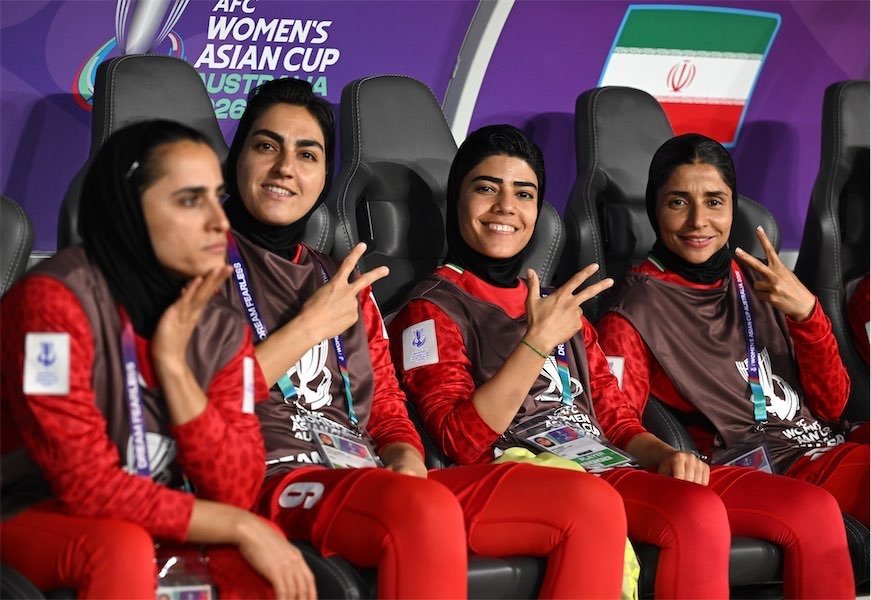
Australian Asylum Offer Sparks Uncertainty for Iranian Football Stars: Will They Ever Play Again?
- Six Iranian football players and one official granted humanitarian asylum in Australia, but their footballing careers hang in the balance
- Players may never be able to play in Iran again, and their international careers are also in doubt
- Brisbane Roar offers asylum-seeking players a place to train and play, but signing them to the team is a complex issue
The Australian government’s offer of humanitarian asylum to six Iranian football players and one official has sparked a mix of emotions and uncertainty about their future in the sport. Mohaddeseh Zolfi, Zahra Soltan Meshkeh Kar, Zahra Sarbali, Mona Hamoudi, Zahra Ghanbari, Fatemeh Pasandideh, and Atefeh Ramazani-Zadeh are the players who have taken up the offer, leaving behind their homeland and their footballing careers in limbo.
While the players have been granted humanitarian visas, their ability to continue playing football at the highest level is uncertain. They are likely to be unable to play in Iran again, and their international careers are also in doubt. The players are contracted to play in Iran’s national Kowsar Women’s Football League, but it’s unclear if they will be able to continue playing for their clubs or represent Iran on the world stage.
The Brisbane Roar, a Women’s A-League team, has offered the asylum-seeking players a place to train, play, and belong at their facility. However, signing them to the team is a complex issue. The players would need to be granted a release from their club sides back in Iran before signing for a Women’s A-League club, and even then, the team would need to navigate the rules around maximum squad size.
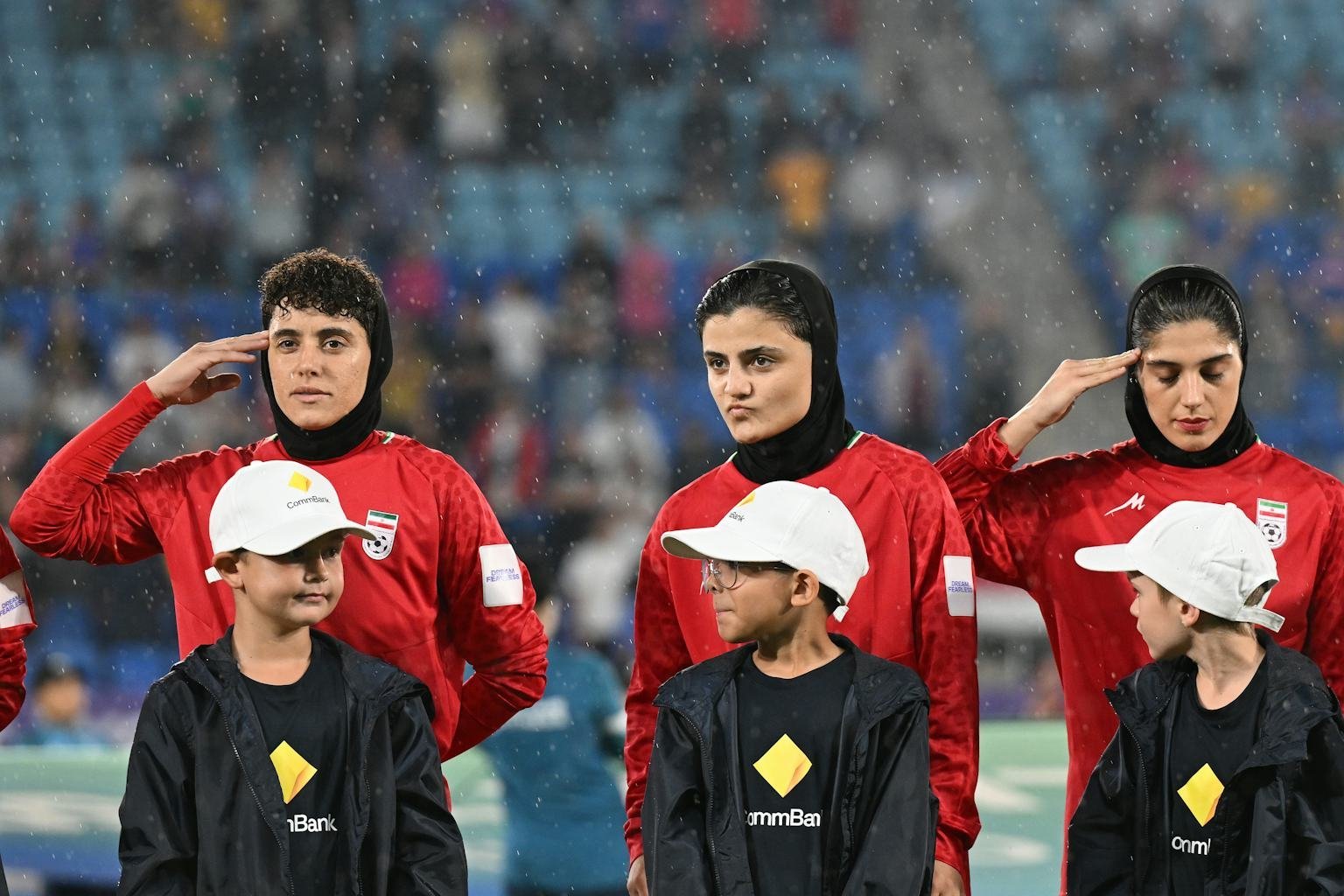
Home Affairs Minister Tony Burke confirmed that every Iranian team member leaving Sydney airport was offered the chance to stay in Australia on a humanitarian visa. Burke stated that the players were given a choice and were not pressured into making a decision. The seven members who accepted the offer are now on humanitarian visas, and the processing will soon start for them to move to a permanent visa.
Analysis: What This Means for Australia
The decision to offer asylum to the Iranian football players has significant implications for Australia’s national security and its stance on human rights. The move is seen as a humanitarian gesture, but it also raises questions about the country’s ability to provide a safe haven for those fleeing persecution. The players’ decision to seek asylum in Australia also highlights the complexities of the country’s refugee policies and the need for a more compassionate approach to dealing with asylum seekers.
Security analysts say that the move may also have implications for Australia’s relations with Iran, which has been critical of the country’s human rights record. The decision to offer asylum to the players may be seen as a challenge to Iran’s authority and could lead to tensions between the two countries.
Law enforcement insiders warn that the move may also have implications for Australia’s border security, as it may create a precedent for other asylum seekers to follow. The decision to offer asylum to the players may also lead to an increase in asylum claims, which could put a strain on the country’s resources.
Industry observers believe that the move may also have implications for the Australian football industry, as it may lead to an influx of talented players seeking asylum in the country. This could lead to a more competitive and diverse football league, but it also raises questions about the fairness of the system and the potential for exploitation.