
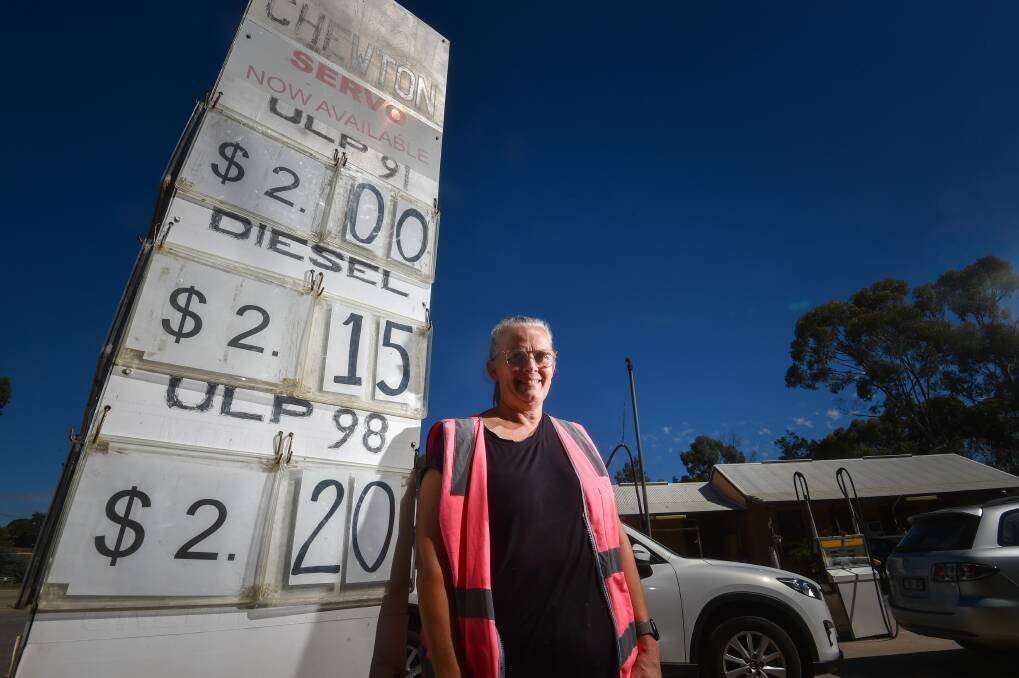
Fuel Crisis Hits Crisis Point: ‘Anxious’ Regional Communities Left High and Dry as Prices Soar to $3.40 per Litre
- Regional service station owners are struggling to keep fuel on the forecourt as panic buying and supply chain disruptions push prices to record highs.
- Some stations in rural Australia have been forced to ration fuel, while others have run completely dry, leaving communities without petrol for days.
- Treasurer Jim Chalmers has warned suppliers against exploiting the crisis, with companies caught price gouging facing fines of up to $100 million.
The fuel crisis in regional Australia has reached boiling point, with prices surging to as much as $3.40 per litre in some areas and leaving communities without petrol for days. Service station owners are struggling to keep up with demand, as panic buying and supply chain disruptions create a perfect storm of uncertainty.
In Armidale, New South Wales, Nick Moulis, owner of a local service station, has been forced to ration fuel after his business was left without a delivery for five days. When the shipment finally arrived, prices had already skyrocketed by 100 per cent compared to his previous order. “Our communities are currently feeling very anxious, and I know to a point they’re feeling hurt,” Moulis said.
The rush to fill tanks has only exacerbated the situation, with Moulis revealing he sold twice as much fuel in two days as he would normally sell. “As a business, I’m trying to balance, do I run out again, or do I try and keep fuel for those who will absolutely require it?” he said. “In regional Australia, we’ve got to try and settle the anxiety that’s going on.”
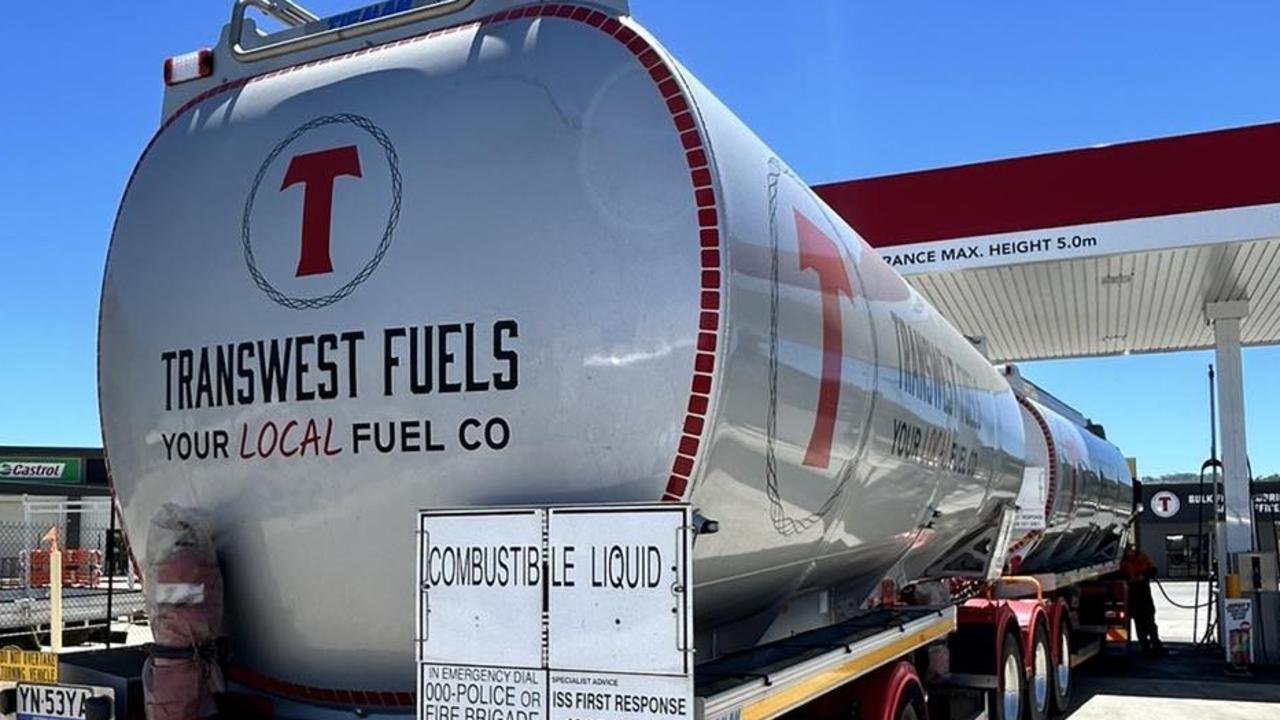
Independent service station owners say uncertainty about future deliveries is adding to the pressure, with both fuel availability and transport logistics tightening significantly. Moulis, who normally purchases two to three loads of fuel each week, is no longer guaranteed a supply. “The availability of product and the availability of transport to get it to us has tightened up dramatically,” he said.
The crisis is being driven by shocks at both ends of the supply chain, with panic buying by consumers colliding with delays further upstream. “Not that our region hasn’t got refined product, but our supply chain can’t move quick enough to deliver it into the terminals where we need it,” Moulis said.
While around 400 million barrels of fuel are expected to enter the international market, which may ease pressure within days or weeks, anxiety in regional communities remains high. Drivers are worried about whether the next tank of fuel will be available at all, and service station owners are struggling to keep up with demand.
Analysis: What This Means for Australia
The fuel crisis has significant implications for national security, as well as law enforcement and border control. With prices soaring and supplies dwindling, there are concerns about the potential for social unrest and economic disruption. “Security analysts say the crisis highlights the vulnerability of Australia’s fuel supply chain and the need for greater investment in infrastructure and emergency preparedness,” said one expert.
The crisis also raises questions about the role of government in regulating the fuel market and protecting consumers from price gouging. “Law enforcement insiders warn that the crisis is a wake-up call for regulators to take a closer look at the fuel industry and ensure that companies are not exploiting consumers,” said another expert.
For regional communities, the crisis is a stark reminder of their reliance on fuel and the need for greater investment in alternative energy sources. “Industry observers believe that the crisis will accelerate the shift towards more sustainable and renewable energy options, which could have long-term benefits for the environment and the economy,” said an industry insider.