

Fatal Faith: The Shocking Case of 8-Year-Old Elizabeth Rose Struhs, Killed by Her Parents’ Deadly Beliefs
- A coroner’s inquest hears that Elizabeth’s parents, who belonged to a fringe religious group, stopped her insulin treatment, leading to her tragic death.
- The family’s extreme beliefs had been known to authorities since 2013, raising questions about the adequacy of government agencies’ responses.
- Experts warn that the case highlights the dangers of religious extremism and the need for stronger protections for vulnerable children.
- The inquest will examine the decisions made by authorities and the role of the Saints church group in Elizabeth’s death.
The tragic story of 8-year-old Elizabeth Rose Struhs, who died at the hands of her parents’ extreme religious beliefs, has sent shockwaves across Australia. A coroner’s inquest has heard that Elizabeth’s parents, Jason and Kerrie Struhs, stopped administering her insulin shots, leading to her death on January 7, 2022, at their home near Toowoomba, west of Brisbane.
The Struhs family’s beliefs, which forbade modern medical treatment, had been known to child protection authorities since 2013. Despite this, Elizabeth was returned to her family’s care in 2019, against the strong objections of medical experts. Her father, Jason, had promised to treat her diabetes, but later discontinued her insulin treatment under the influence of the Saints church group, a fringe religious organization.
Elizabeth’s case is a stark reminder of the dangers of religious extremism and the need for stronger protections for vulnerable children. The inquest will examine the decisions made by authorities and the role of the Saints church group in Elizabeth’s death. The coroner, Ainslie Kirkegaard, has expressed concerns about the “unusual circumstances” of Elizabeth’s death, which have drawn widespread public outrage and condemnation.
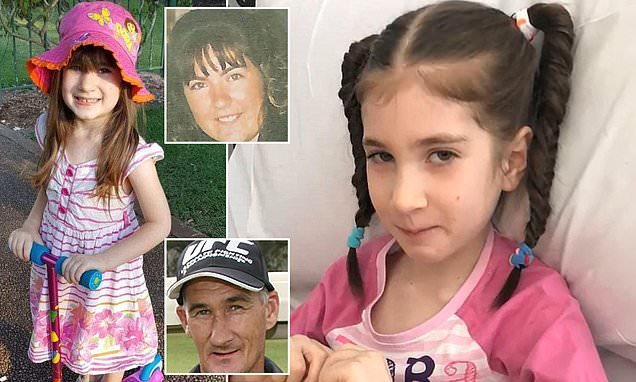
In 2019, Elizabeth was taken to an emergency room by her father after her mother concealed the severity of her undiagnosed and untreated diabetes. Medical experts described Elizabeth as “being minutes away from death.” Despite this, child protection authorities accepted Jason’s promise to treat her diabetes and discharged Elizabeth to the care of her family. This decision was made in the face of strongly expressed opposition from child protection and forensic medical services.
Experts have warned that the case highlights the need for greater awareness and understanding of the risks posed by religious extremism. “The inquest will be looking closely at the evidence to fully understand what happened and what might be done to prevent similar deaths in the future,” said counsel assisting Simon Hamlyn-Harris.
Analysis: What This Means for Australia
The Elizabeth Rose Struhs case raises serious questions about the adequacy of government agencies’ responses to religious extremism and the protection of vulnerable children. It highlights the need for stronger safeguards to prevent similar tragedies from occurring in the future. The inquest’s findings will be crucial in determining what steps can be taken to prevent the exploitation of children by fringe religious groups.
Security analysts say that the case underscores the importance of monitoring and addressing the spread of harmful ideologies. “The Saints church group’s influence on the Struhs family is a clear example of the dangers of unchecked religious extremism,” said one expert. “We need to ensure that our authorities are equipped to respond effectively to these threats and protect our most vulnerable citizens.”
Industry observers believe that the case will have significant implications for the way authorities respond to religious extremism. “This tragedy is a wake-up call for Australia,” said one observer. “We need to take a closer look at our laws and policies to ensure that we are doing everything possible to prevent similar tragedies from occurring in the future.”
The inquest into Elizabeth’s death will be held over two weeks from October 12. It is a critical opportunity for authorities to learn from this tragedy and take action to prevent similar cases in the future.