
Father’s ‘Criminal Neglect’ Sentenced to 19 Months in Prison After 7-Year-Old Son Dies of Pneumonia and Sepsis
- A father’s failure to seek medical attention for his son’s worsening condition led to the child’s tragic death and a 19-month prison sentence.
- The 7-year-old boy suffered for 16 hours before being taken to hospital, where he was found to be “near death” with lungs almost double the size of a healthy child’s.
- The father, Shane McKenzie Wanganeen, will be eligible for parole in under two months, having already served eight months in prison.
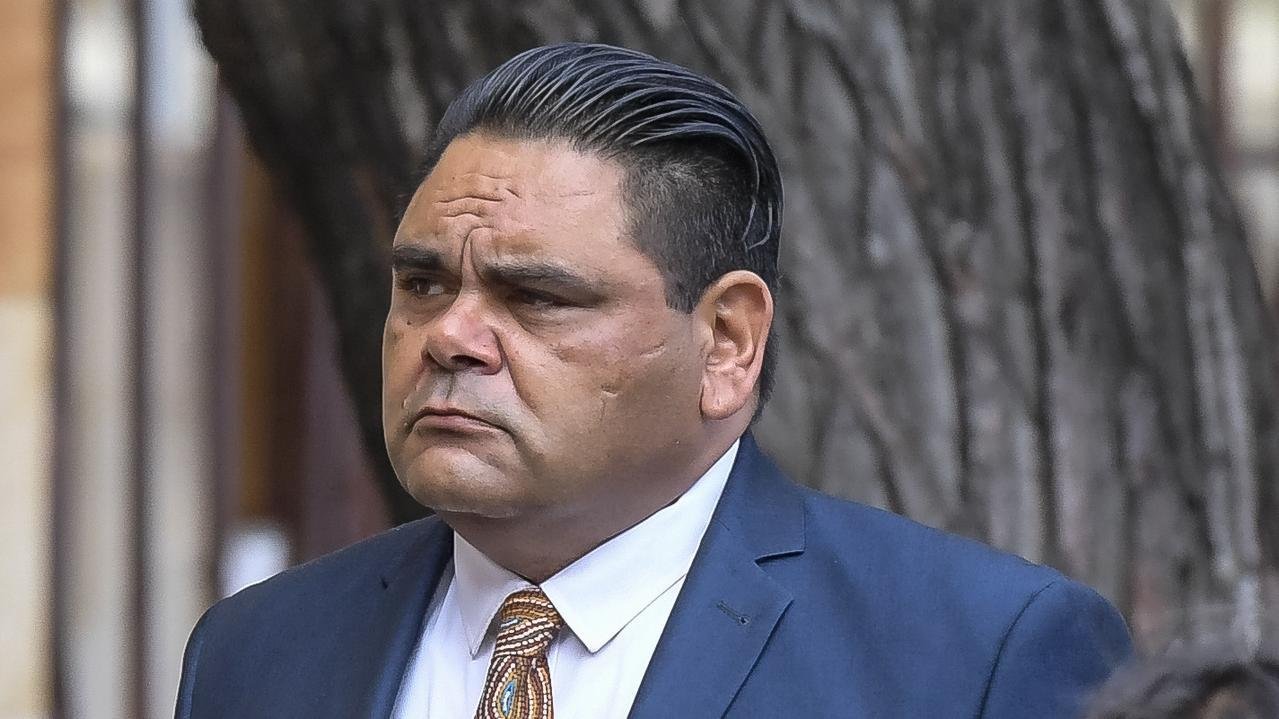
Shane McKenzie Wanganeen, a 43-year-old father from Craigmore, has been sentenced to 19 months in prison for causing harm to his seven-year-old son Makai through criminal neglect. Wanganeen’s failure to seek medical attention for his son’s worsening condition led to the child’s tragic death from pneumonia and sepsis.
In February 2022, Wanganeen pleaded guilty to criminal neglect, and his sentence has sparked outrage and concern about the safety and well-being of vulnerable children, particularly in Indigenous Australian communities. Wanganeen will be eligible for parole in under two months, having already served eight months in prison.
The court heard that Makai was diagnosed with constipation, but Wanganeen failed to seek further medical attention when his condition worsened over three days. Despite being advised to take his son to hospital if his condition did not improve, Wanganeen delayed taking action, prioritizing other tasks like fixing his aunt’s car and arranging a cash advance. This devastating delay ultimately led to Makai’s death.
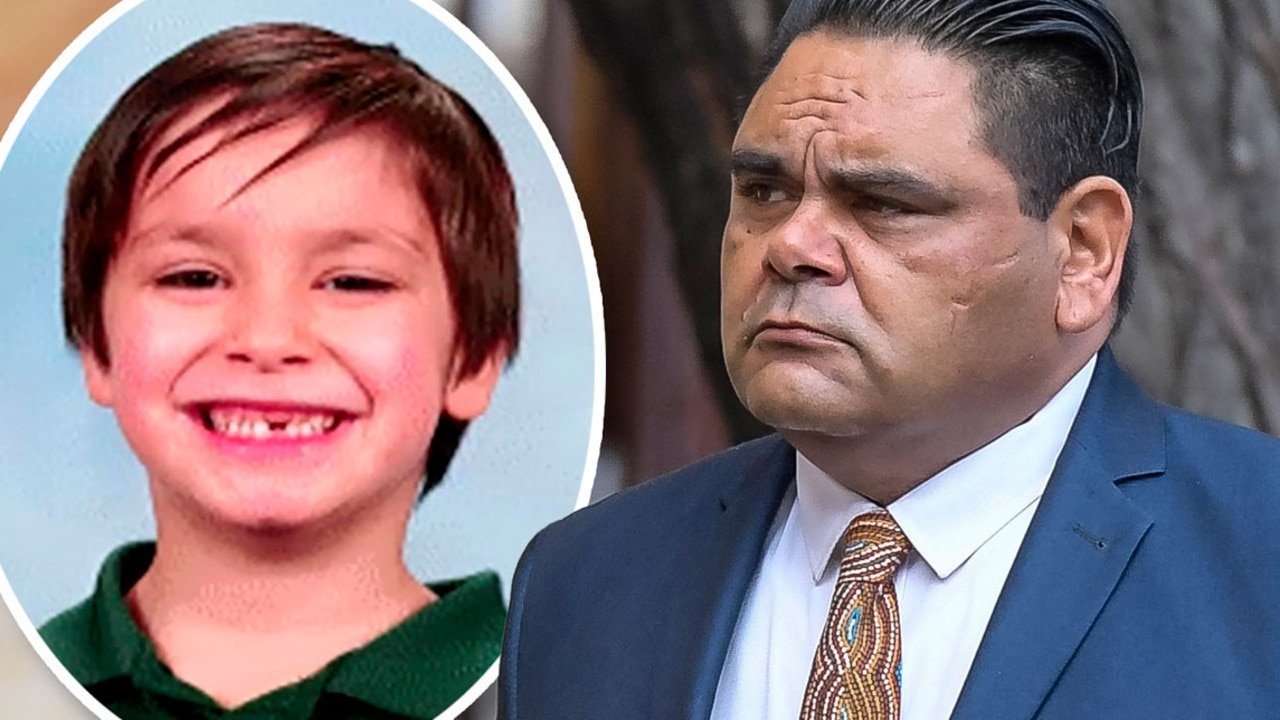
Justice Ben Doyle of the Supreme Court criticized Wanganeen for his actions, saying that he had “prolonged his child’s suffering” and failed to provide the necessary care and attention. The judge acknowledged the adversity Wanganeen had faced as an Aboriginal man growing up without his own biological parents but emphasized that this did not excuse his failure to prioritize his son’s health.
Analysis: What This Means for Australia
The case raises serious concerns about the safety and well-being of vulnerable children, particularly in Indigenous Australian communities. It highlights the need for improved access to healthcare services and education on child health and development. Security analysts say that this case demonstrates the importance of addressing the systemic issues that contribute to child neglect and abuse.
Law enforcement insiders warn that criminal neglect cases like this can have long-lasting and devastating consequences for families and communities. It is essential to address the root causes of these tragedies and ensure that parents and caregivers have the necessary support and resources to provide adequate care for their children.
Industry observers believe that this case highlights the need for increased investment in healthcare and social services, particularly in Indigenous Australian communities. By addressing the systemic issues that contribute to child neglect and abuse, we can work towards creating a safer and more supportive environment for all Australian children.
As the community grapples with the tragic loss of Makai, it is essential to acknowledge the need for collective responsibility and action to prevent such tragedies from occurring in the future. By working together, we can create a brighter and safer future for all Australian children.