
Iranian Footballers Find Solace in Australian Asylum, Afghan Cricketer Firooza Amiri Offers Words of Wisdom
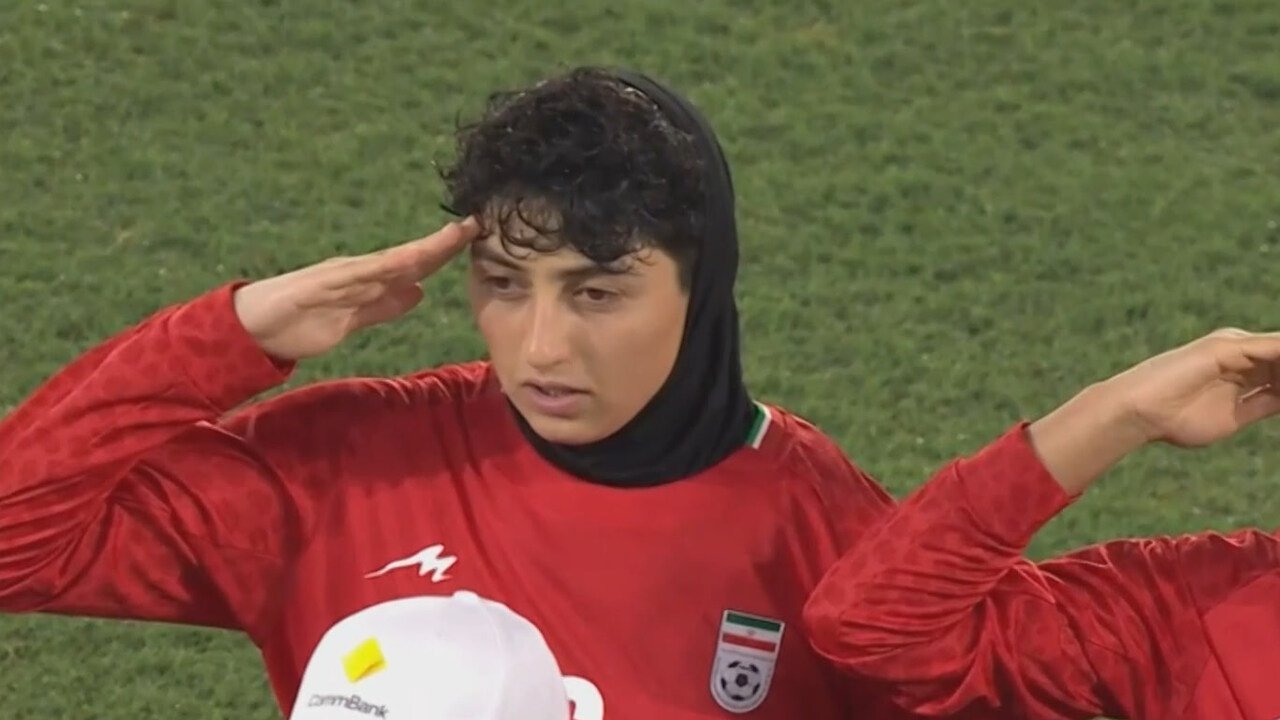
- Six Iranian women’s football team members granted asylum in Australia, leaving behind family and lives in war-torn country
- Firooza Amiri, Afghan cricketer who fled Taliban, offers support and advice to Iranian footballers
- Amiri shares her own experience of fleeing Afghanistan and adjusting to life in Australia, urging footballers to find comfort on the pitch
The Iranian women’s football team’s desperate bid for asylum in Australia has captured the attention of the world, with six members finally finding solace on Australian shores. Among those offering support and guidance is Afghan cricketer Firooza Amiri, who knows all too well the struggles of fleeing a war-torn country.
At just 18, Amiri fled Afghanistan when the Taliban returned to power in 2021, leaving behind her home and family. Now 22, she has spoken out about her own experiences as a sports refugee, offering words of wisdom to the Iranian footballers as they navigate their new lives in Australia.
“I’m quite very upset and disappointed about what is happening right now in the country and with the women’s soccer team,” Amiri told ABC Sport. “I understand that it would be very hard when you say bye to your home and you know that you are not going to go back ever.”
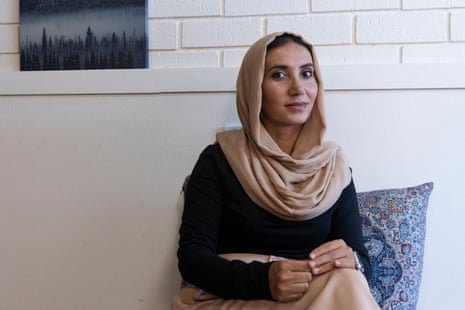
Amiri’s own journey to Australia was not without its challenges. Born in Iran, she was fortunate to leave Afghanistan with her parents and siblings, but she understands the pain of leaving behind loved ones. “It is like saying goodbye to your mum and not being able to see her again,” she said.
The Afghan cricketer has a unique perspective to offer the Iranian footballers, having experienced firsthand the difficulties of adjusting to life in a new country. “When you come to Australia as a new person who doesn’t know anything about Australia, it is very difficult,” she said. “The language is different, the culture is different, and the environment is quite different from the way we live in Afghanistan.”
Despite the challenges, Amiri has found solace in cricket, which has helped her connect with the community in Australia. “Playing cricket was the only thing that connected me with the community in Australia,” she said. “I find my sense of belonging through sport and through playing cricket.”
Amiri’s advice to the Iranian footballers is simple yet powerful: find comfort on the pitch. “If you feel any time that you’re missing home, just go find a soccer ground and play,” she said. “I’m sure that soccer ground always will remind you who you are and why you started doing this sport.”
Analysis: What This Means for Australia
The Iranian footballers’ decision to seek asylum in Australia raises important questions about our country’s role in providing a safe haven for those fleeing war and persecution. As Amiri’s story highlights, the challenges faced by refugees are complex and multifaceted, requiring a comprehensive approach to support and integration.
Security analysts say that Australia’s asylum seeker policies must balance national security concerns with humanitarian obligations. “The Iranian footballers’ case highlights the need for a nuanced approach to asylum seeker policy, one that takes into account the unique circumstances of each individual,” said one analyst.
Law enforcement insiders warn that the influx of asylum seekers also raises concerns about potential security risks, particularly in the context of international geopolitics. However, experts agree that a thorough vetting process and robust security measures can mitigate these risks.
Industry observers believe that the Iranian footballers’ arrival in Australia could also have positive economic and social consequences, particularly in terms of promoting cultural exchange and understanding. “The footballers’ presence in Australia could help to promote greater cultural understanding and exchange between our two countries,” said one observer.
As the Iranian footballers settle into their new lives in Australia, Amiri’s story serves as a powerful reminder of the importance of compassion, empathy, and support for those fleeing war and persecution. As she herself said, “Australia is such an amazing country, where you can be safe and live your life.”