
Fuel Companies Accused of ‘Misleading’ Australians as Petrol Prices Skyrocket Amidst Middle Eastern Conflict
- The ACCC is investigating fuel retailers for ‘misleading or deceptive conduct’ over rapid price increases
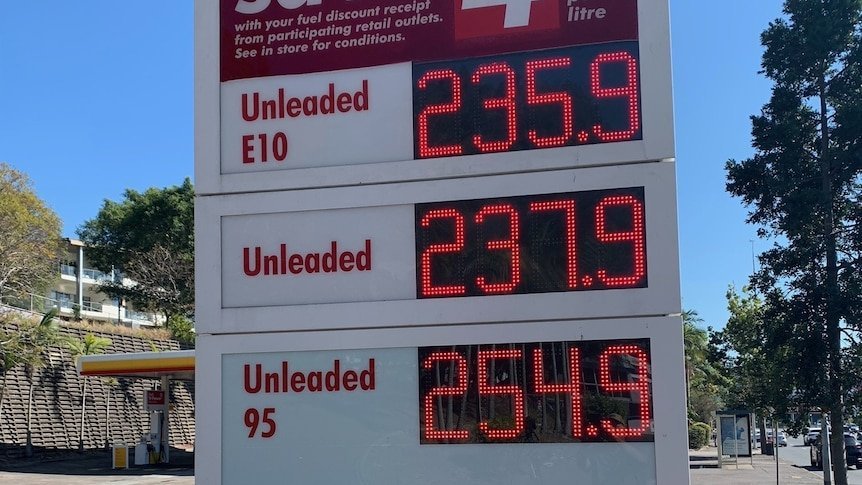
- Petrol prices have risen by as much as 59.5 cents per litre in some cities, with retailers accused of hiking prices too quickly
- The watchdog is warning of steep fines for companies that fail to explain their price hikes to consumers
The Australian Competition and Consumer Commission (ACCC) has launched an investigation into fuel retailers, accusing them of ‘misleading or deceptive conduct’ over rapid price increases amidst the Middle Eastern conflict. The watchdog is warning of steep fines for companies that fail to explain their price hikes to consumers, as petrol prices continue to skyrocket across the country.
In a scathing report, the ACCC revealed that petrol and diesel price rises “varied widely” between Australian capital cities, with some cities experiencing increases of as much as 59.5 cents per litre. The watchdog is concerned that fuel retailers are not being transparent about the reasons behind the price hikes, and is warning of action for “breaches of competition laws”.
The ACCC has contacted major fuel companies, including Ampol, BP, Chevron, EG Australia, Mobil, 7-Eleven, United Petroleum, and Viva Energy, seeking urgent information about recent price increases. The watchdog is set to meet with fuel market participants next week to demand further clarification on their pricing decisions.
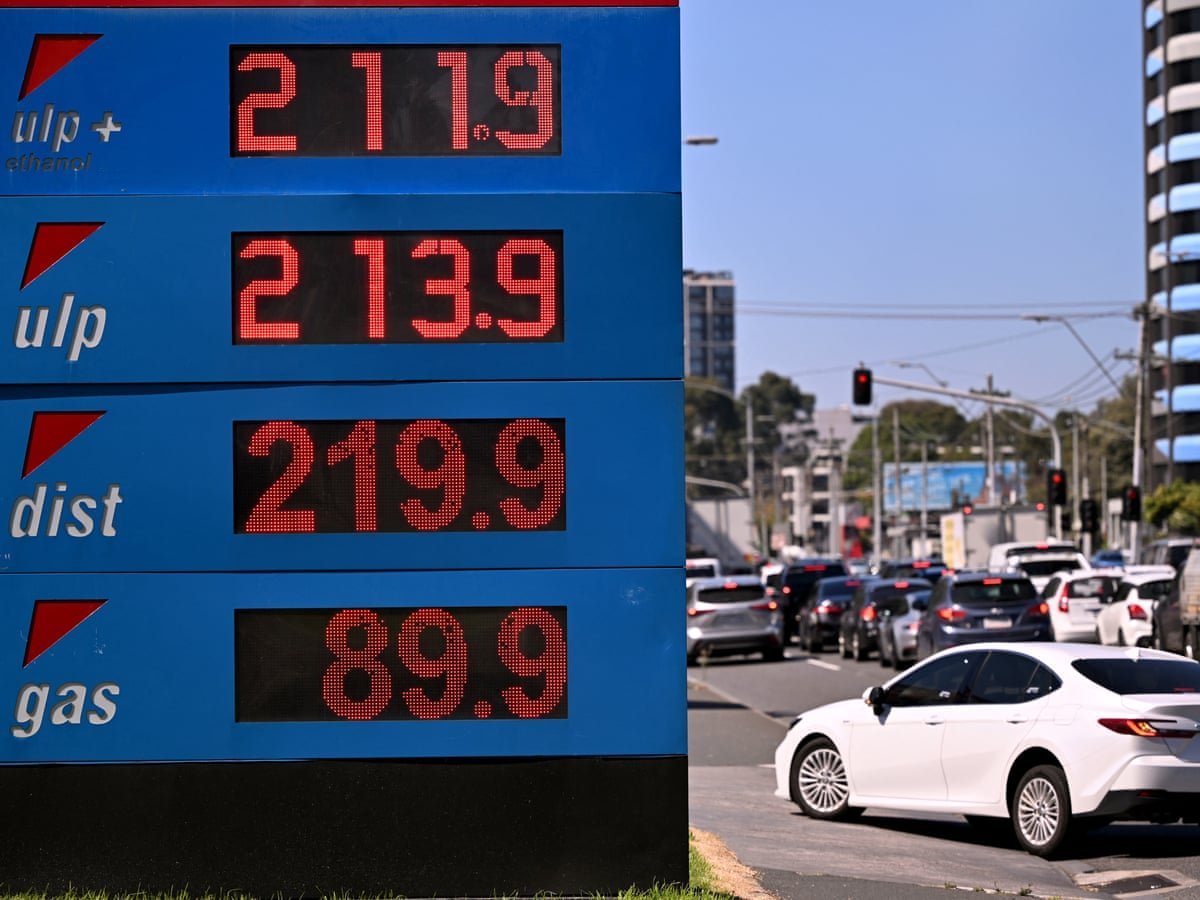
“Fuel companies should be open and honest about the reasons for such widely varying and rapid increases across the country and treat their customers fairly,” said ACCC Commissioner Anna Brakey. “We urge petrol retailers to explain their positions to the Australian community. The impacts on average retail petrol and diesel prices vary between cities, and average prices are changing daily.”
The ACCC’s investigation has revealed that daily average retail petrol prices increased almost immediately with higher wholesale prices, rather than with a delay. This has led to concerns that fuel retailers are taking advantage of consumers by hiking prices too quickly. “In this case, it looks like petrol retailers increased prices at the pump when they were selling fuel they had bought before the conflict at cheaper prices,” said Ms Brakey.
Analysis: What This Means for Australia
The ACCC’s investigation has significant implications for Australian consumers, who are already feeling the pinch of rising fuel prices. The watchdog’s warnings of steep fines for fuel retailers are a welcome move, but more needs to be done to address the root causes of the problem. “Security analysts say that the current fuel price crisis is a national security issue, as it affects the ability of Australians to move around the country and conduct their daily business,” said one expert.
The federal government’s decision to temporarily lower fuel quality standards is a step in the right direction, but more needs to be done to address the long-term issues affecting the fuel market. “Industry observers believe that the government needs to take a more proactive approach to regulating the fuel market, rather than just reacting to crises as they arise,” said another expert.
As the ACCC continues its investigation, one thing is clear: Australian consumers deserve better from their fuel retailers. It’s time for fuel companies to come clean about their pricing decisions and to start treating their customers fairly. Anything less is unacceptable.