Albanese Under Fire as Australia Teeters on the Brink of Economic Crisis: ‘Homegrown Inflation’ Blamed for Soaring Costs
- A staggering 40% of Australians blame Prime Minister Anthony Albanese for the worsening cost-of-living crisis, a new poll reveals
- The Reserve Bank is expected to hike interest rates, adding $100 to average mortgage repayments and piling pressure on struggling households
- Opposition Leader Angus Taylor slams the government’s handling of inflation, saying it’s a result of “homegrown” failures, not global factors
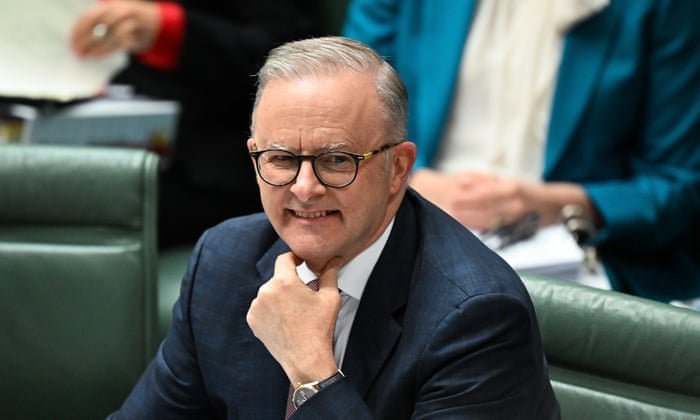
As the Reserve Bank prepares to make a crucial interest rate decision, Prime Minister Anthony Albanese is facing mounting pressure over the cost-of-living crisis that’s crippling Australian households.
A new poll has revealed that a staggering 40% of Australians blame the Prime Minister for the soaring costs, with just 17% attributing the pressure to global factors like the war in the Middle East.
The Reserve Bank Board is widely expected to raise the cash rate from 3.85% to 4.1% on Tuesday, a move that will push repayments on an average mortgage up by around $100 per month.
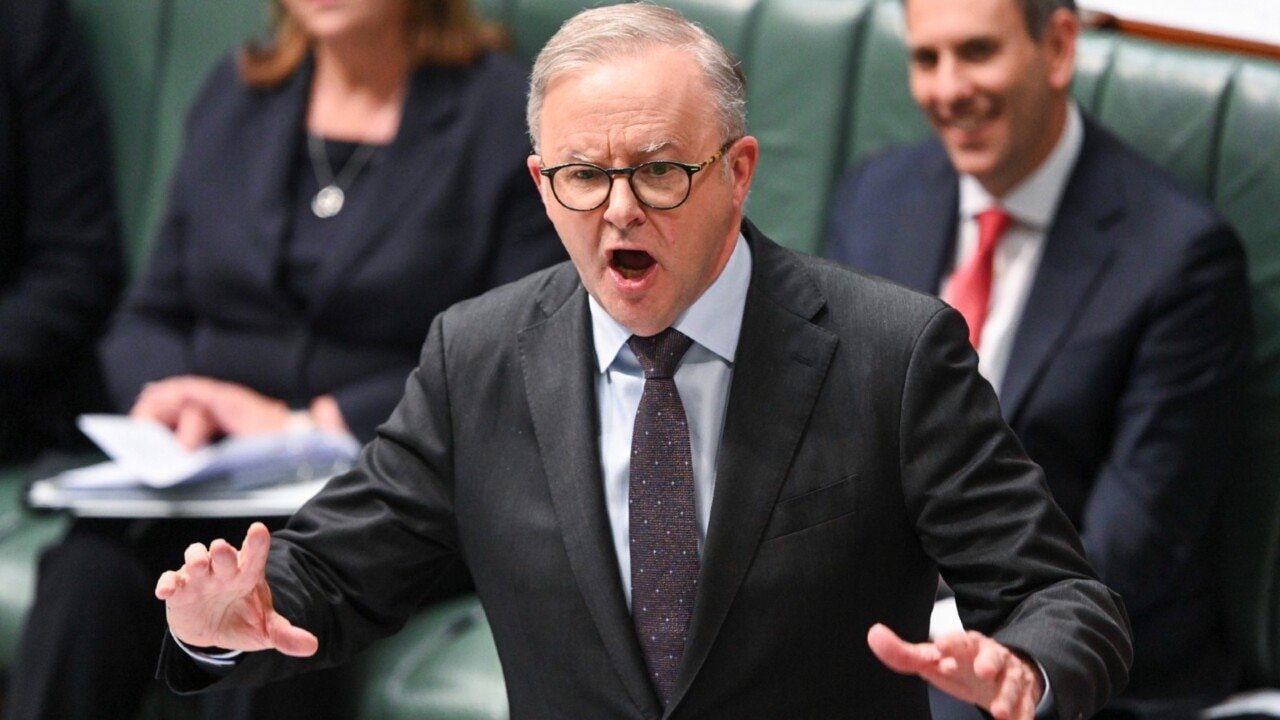
Financial markets are predicting a 71% chance of a rate hike, which will only add to the financial strain on households already struggling to make ends meet.
Treasurer Jim Chalmers has acknowledged that inflation could climb as high as 4%, raising concerns that the Reserve Bank may need to keep interest rates higher for longer.


This has sparked warnings from the Opposition that the government’s handling of inflation is a major contributor to the problem.
“This is the government’s failure,” Opposition Leader Angus Taylor said. “The government has to get control of inflation.
The Treasurer told us, and the Prime Minister told us we’d beaten inflation, but inflation has beaten the government.”
Taylor claimed that families are already paying significantly more on their home loans as the impact of rate rises continues to flow through the economy. He also slammed the government’s energy policy, saying it’s contributing to the problem.
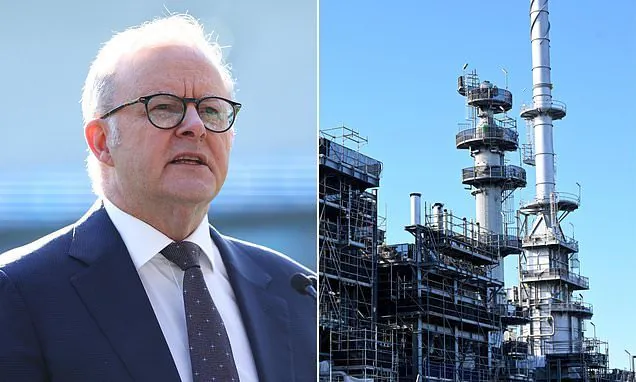
“We’ve had one of our refineries up in Brisbane, the Ampol refinery, which has had to export all of its fuel because of Chris Bowen’s emissions obsession,” he said.
The National Farmers Federation has urged city motorists to consider switching to public transport to help ration fuel supplies, warning that disruptions could eventually affect food production and push grocery prices higher.
The government has approved the release of fuel from Australia’s strategic reserves, a move officials hope will ease supply pressure and eventually flow through to customers.
Analysis: What This Means for Australia
The cost-of-living crisis is not just a matter of household budgets; it has far-reaching implications for the entire economy.
With interest rates set to rise, many Australians will be forced to tighten their belts even further, leading to a decrease in consumer spending and a potential slowdown in economic growth.
Security analysts say that the government’s handling of inflation is a major concern, as it could lead to widespread economic instability. “When people can’t afford the basics, they start to feel insecure,” one expert said.
“That’s when social unrest can start to simmer, and that’s a threat to national security.”
Law enforcement insiders warn that the economic pressure is already manifesting in increased crime rates, as desperate individuals turn to illegal activities to make ends meet.
“We’re seeing a rise in property crime, and it’s directly linked to the cost of living,” one senior officer said.
Industry observers believe that the government needs to take drastic action to address the root causes of inflation, rather than just treating the symptoms. “They need to get a grip on spending, and fast,” one economist said.
“The longer they wait, the worse it’s going to get.”