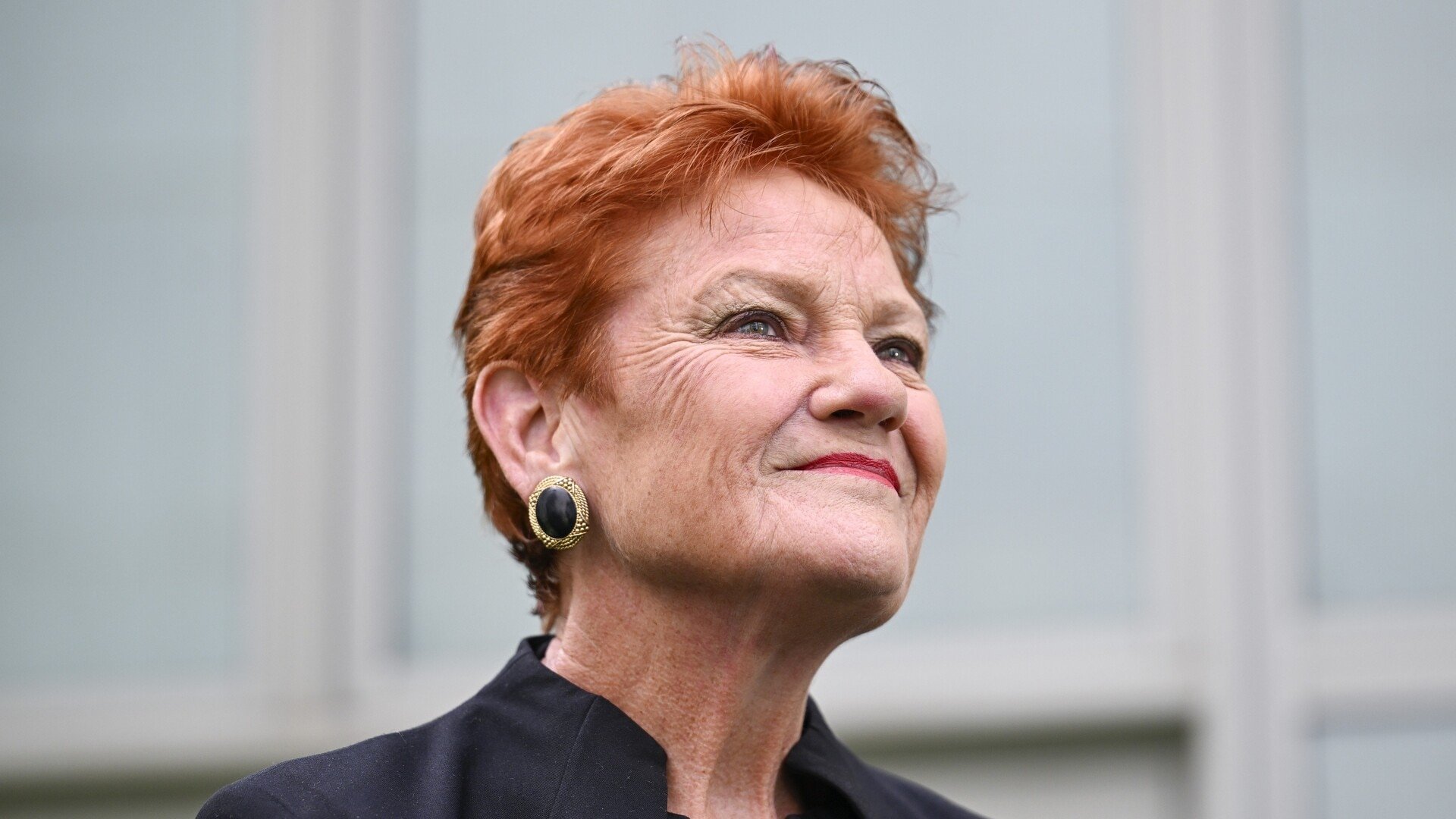
One Nation on the Rise: Pauline Hanson’s Party Wins Multiple Seats in South Australian State Election
- One Nation secures at least one lower house seat and three upper house seats, with the party’s national leader Pauline Hanson feeling “vindicated” by the results.
- The far-right populist party polled over 21 per cent of the vote, ahead of the Liberal opposition on 19 per cent.
- One Nation’s state leader Cory Bernardi wins a seat in the upper house, promising an “earthquake” in South Australian politics.
The South Australian state election has seen a significant surge in support for One Nation, with the party winning multiple seats in both the lower and upper houses.
Pauline Hanson, the party’s national leader, has expressed her excitement and sense of vindication at the results, which she believes marks the start of a movement.
The election saw Labor win comfortably, with Premier Peter Malinauskas declaring victory and thanking his supporters.
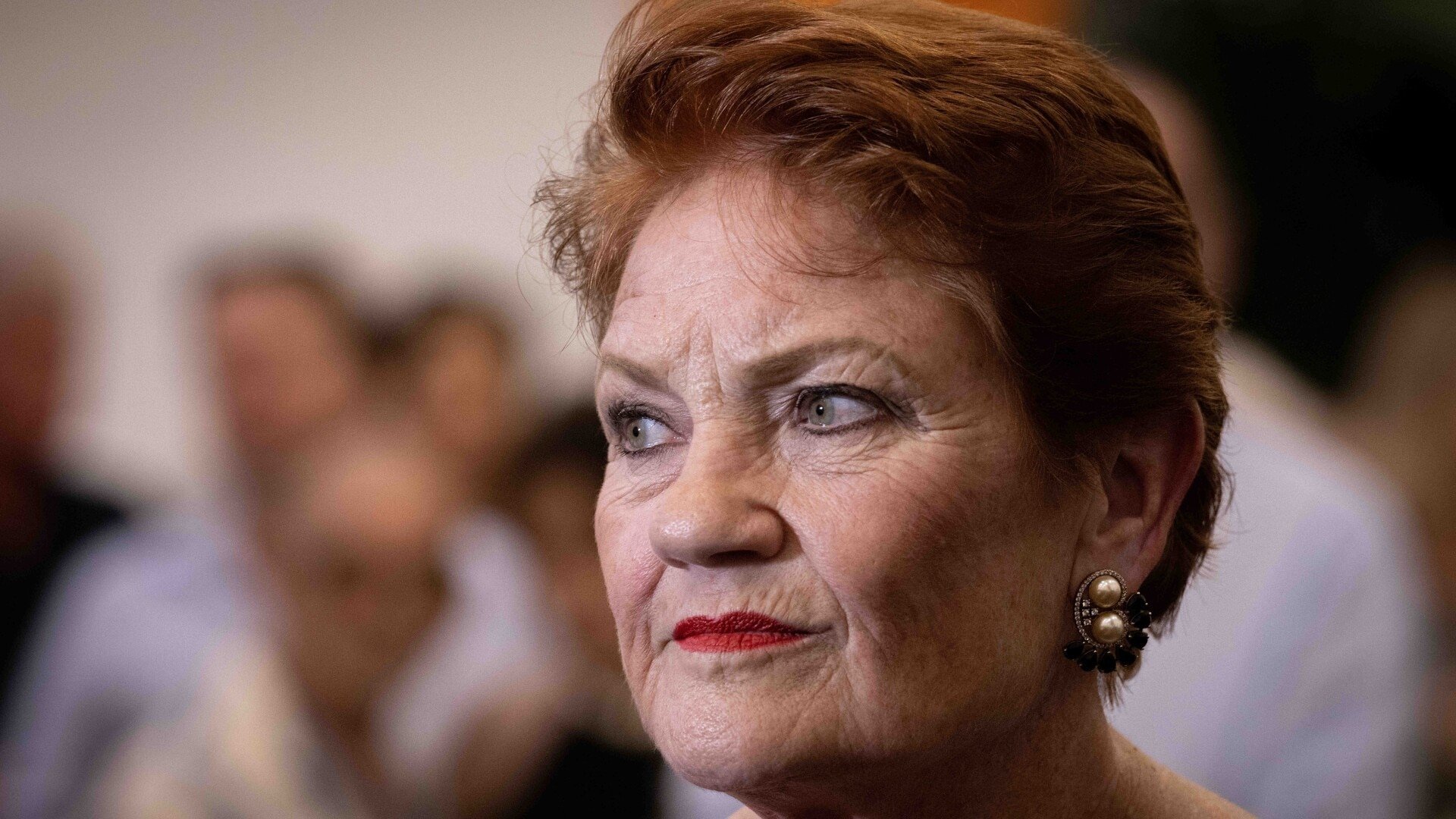
However, the real story of the night was the rise of One Nation, which polled over 21 per cent of the vote, ahead of the Liberal opposition on 19 per cent.
The party’s state leader, Cory Bernardi, won a seat in the upper house, and the party is on track to win at least three upper house seats.




Senator Hanson told supporters that she felt “vindicated” by the results, which she believes are a testament to her decades of effort in fighting for the people.
“I think in a lot of ways, I feel vindicated for my being in this game for 30 years, that I’ve been fighting for this – to give people back their voice,” she said.
“I just feel, I just feel different. I’m excited but … I’ve been in this position before and then it all just falls apart with preferences and the rest of it.”
The party’s success is seen as a significant shift in the political landscape of South Australia, with One Nation’s primary vote surging in several rural seats.
The party’s leader in South Australia, Cory Bernardi, said that the results were a “reward for the effort” of the party’s volunteers and reflected a “mood for change” in the state.
Analysis: What This Means for Australia
The rise of One Nation in South Australia has significant implications for the country’s political landscape. The party’s success is seen as a reflection of a growing dissatisfaction with mainstream politics and a desire for change.
Security analysts say that the party’s anti-immigration and anti-globalization stance resonates with many Australians who feel left behind by the country’s rapid economic and social changes.
Law enforcement insiders warn that the party’s rise could lead to increased tensions and potential violence, particularly in rural areas where One Nation’s support is strongest.
Industry observers believe that the party’s success could also lead to a shift in the country’s economic policies, with a greater focus on protectionism and nationalism.
Ultimately, the rise of One Nation in South Australia is a wake-up call for the country’s political establishment.
It highlights the need for mainstream parties to listen to the concerns of ordinary Australians and to address the sense of disaffection and disillusionment that is driving support for populist parties like One Nation.