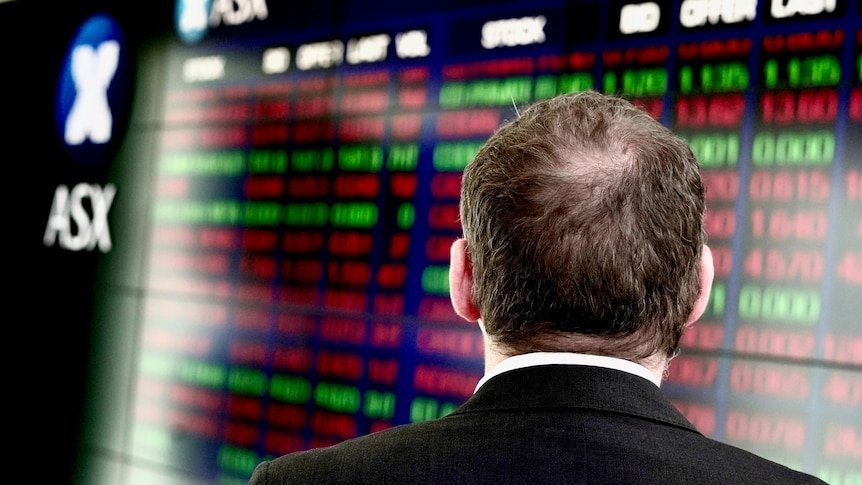
Australia on Brink of Recession as Oil Shock and Interest Rates Smash Consumer Confidence
- Leading indicators suggest Australia may already be in a recession, with record low consumer confidence and flatlining auction market in Sydney.
- Oil shock from the Middle East crisis and interest rate hikes have led to inflation expectations reaching a record 6.9 per cent.
- Experts warn of rising unemployment and a “lockdown-type scenario” if fuel shortages persist, with households already spending an extra $100 per month on petrol.
- The last recession in Australia was in 2020, during the COVID-19 pandemic, and before that, in 1990-1991.
The Australian economy is teetering on the edge of a recession, with multiple indicators pointing to a perfect storm of economic downturn.
According to SQM Research managing director Louis Christopher, the combination of record low consumer confidence, flatlining auction market in Sydney, and rising inflation expectations suggests that a recession may have already begun.
The ANZ-Roy Morgan modelling puts inflation expectations at a record 6.9 per cent, while consumer confidence has fallen 17.1 points to 63.1 this month.
Christopher notes that this is a sign that confidence in Sydney’s housing market and the overall economy is dwindling. “It’s just a combination of leading indicators that suggests to me that, hey, it’s possible that a recession may have kicked off,” he said.
The oil shock from the Middle East crisis and interest rate hikes have added to the economic uncertainty, with experts warning of rising unemployment and a “lockdown-type scenario” if fuel shortages persist.

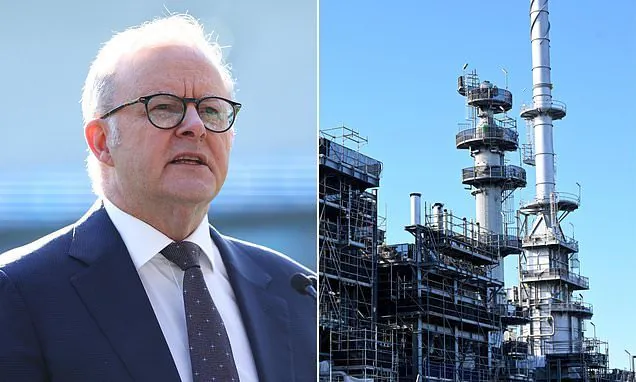
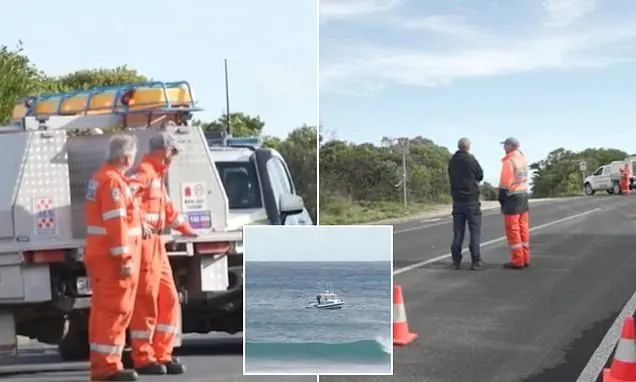

Households are already feeling the pinch, with an extra $100 per month spent on petrol.
While a recession cannot be technically called until two consecutive quarters of sustained economic decline have been recorded, Christopher believes that the rapidly falling consumer confidence is the “biggest problem of them all …
one of the worst readings in many, many years”. He warns that this could lead to higher unemployment, which would be the “final piece in the puzzle”.
The Reserve Bank governor Michele Bullock has acknowledged the risk of recession, stating that while they don’t want to drive the economy into recession, they may have to “deal with that” if it’s the only way to control inflation.
Shane Oliver, AMP chief economist, believes that the risk of recession is high, but thinks it may not start until the June quarter. He notes that the oil price increases, petrol price hikes, and interest rate rises have combined to push consumer confidence down to record lows.
Commercial credit agency CreditorWatch has also warned that Australia’s most essential industries are now its most exposed to the ongoing energy shock, with its data suggesting the economy is in the “recession risk zone”.
The agency notes that sustained oil price increases of 50% to 70% over six to 12 months have historically been associated with global recessions.
Analysis: What This Means for Australia
The potential recession has significant implications for national security, law enforcement, and community safety. With rising unemployment and economic uncertainty, there is a risk of increased social unrest and crime.
The government will need to take swift action to mitigate the effects of a recession and ensure that essential services and industries are protected.
Security analysts warn that a recession could lead to a rise in theft, fraud, and other crimes, as people become desperate in the face of economic hardship.
Law enforcement agencies will need to be prepared to deal with an increase in calls for service and ensure that they have the resources to respond effectively.
The economic downturn will also have a significant impact on Australian communities, with many people facing financial hardship and uncertainty. The government will need to provide support to those affected, including small businesses and individuals who are struggling to make ends meet.
Industry observers believe that the government will need to take a proactive approach to stimulate the economy and prevent a recession. This could include investing in infrastructure, providing tax cuts, and supporting small businesses.
In conclusion, the potential recession has significant implications for Australia, and it is essential that the government takes swift action to mitigate its effects.
By providing support to those affected, stimulating the economy, and ensuring that essential services and industries are protected, we can minimize the impact of a recession and ensure that Australia emerges stronger in the long run.