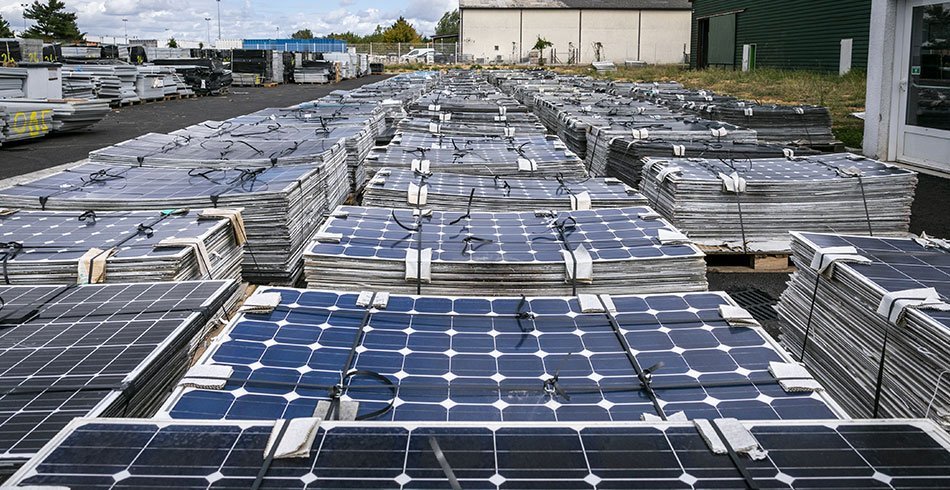
Solar Panel Waste Crisis Looms: Australia Facing 90,000 Tonnes of Toxic Trash by 2030
- Australia is on the brink of a solar panel waste crisis, with forecasts predicting 90,000 tonnes of toxic trash by 2030.
- A $24.7 million, three-year pilot program aims to develop a national plan for safely and economically handling solar waste.
- Experts warn that the country’s rooftop solar boom will lead to a massive environmental problem if not addressed urgently.
Australia’s love affair with rooftop solar panels has led to a silent ticking time bomb, with the country facing a staggering 90,000 tonnes of toxic solar panel waste by 2030.
A federal government hearing has revealed the alarming forecasts, sparking concerns about the environmental and economic implications of the crisis.
As one in three Australian households has embraced rooftop solar panels, the country has become one of the highest users of the technology.
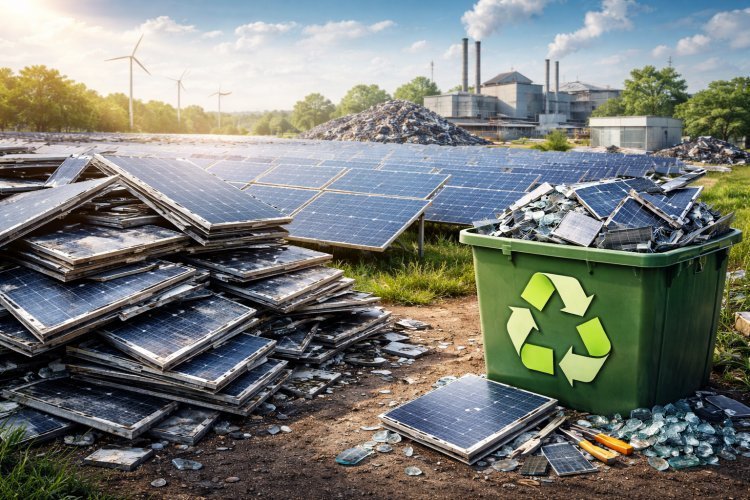
However, the rapid growth of the industry has also led to a surge in waste, with experts warning that the problem may be larger than anticipated.
The federal government has announced a $24.7 million, three-year pilot program to develop a national plan for safely and economically handling solar waste. The program aims to collect up to 250,000 solar panels from 100 sites nationwide, gathering data on how best to recycle them.




However, officials from the Department of Climate Change, Energy, Environment and Water have conceded that the recycling issue might be bigger than initially thought.
“At the end of last year, around 60,000 tonnes of solar panels in Australia reached their end of life, and that could end up being around 90,000 tonnes by 2030,” said Cameron Hutchison, from the department’s packaging, stewardship and investment branch.
“Some industry work suggests that this number might be an underestimate, and the problem is there and known, possibly even bigger than we anticipate.”
The emergence of new technology and better panels has led to a shorter lifespan for solar panels, with many Australians replacing them more quickly. This has resulted in a surge in waste, with up to 50,000 solar panels expected to end up in landfill by 2035.
The logistics of moving discarded solar panels to waste facilities have prevented many of them from being recycled. The panels are heavy, prone to breakage, and require careful handling to maintain their recyclability.
Experts warn that the country lacks a national dataset for tracking solar panel waste, making it difficult to understand the true extent of the problem.
Analysis: What This Means for Australia
The solar panel waste crisis has significant implications for Australia’s environment, economy, and communities.
The country’s renewable energy push has led to a surge in household solar power, but it also means that the country is facing a massive environmental problem if not addressed urgently.
The lack of a national recycling program and the limited evidence of re-using old solar panels mean that the country is at risk of being overwhelmed by toxic waste.
Security analysts say that the crisis highlights the need for a comprehensive national plan for handling solar waste, including the development of a robust recycling infrastructure and regulations to ensure that manufacturers take responsibility for the waste generated by their products.
Law enforcement insiders warn that the lack of a national dataset for tracking solar panel waste makes it difficult to hold companies accountable for their waste management practices.
Industry observers believe that the crisis also presents an opportunity for Australia to take a leadership role in developing innovative solutions for solar waste management. With the country at the forefront of solar panel adoption, it has the chance to develop best practices that can be adopted globally.
As the country navigates this crisis, one thing is clear: urgent action is needed to address the looming threat of solar panel waste.
The federal government’s pilot program is a step in the right direction, but it is only the beginning of a long journey towards developing a sustainable and environmentally responsible approach to solar waste management.