Red Meat Prices Set to Soar as Aussie Farmers Face Fuel Crisis Amid Middle East War
- Australian red meat producers are on the brink of disaster as the fuel crisis caused by the Middle East war threatens to cripple the industry.
- Over 75% of producers have enough fuel to last just one week, with less than half able to stretch their supply to two weeks.
- The crisis is set to have a devastating impact on consumers, with warnings of price increases and limited choices on supermarket shelves.
- Australians are also facing a potential shortage of fresh produce, with the price of fertiliser skyrocketing due to restricted passage through the Strait of Hormuz.
The Australian red meat industry is on the verge of collapse as the fuel crisis caused by the ongoing war in the Middle East continues to worsen.
A recent survey by the Red Meat Advisory Council (RMAC) found that over 75% of producers have enough fuel to last just one week, with less than half able to stretch their supply to two weeks.
This has left farmers facing difficult decisions, including the potential early slaughter of animals, as access to feed, water, and transport cannot be guaranteed.

The crisis is not just limited to the red meat industry, with Australians also facing a potential shortage of fresh produce. The price of nitrogen fertiliser urea has roughly doubled since the war broke out, with about two-thirds of Australia’s supply coming from The Gulf.
This has led to a surge in prices, with National Farmers’ Federation (NFF) President Hamish McIntyre warning that winter crops could be halved if farmers can’t get in-crop requirements of urea after May.




The situation is rapidly deteriorating, with RMAC independent Chair John McKillop warning that consumers will likely see an increase in price and limited choices on supermarket shelves if urgent action to prioritise fuel access isn’t taken.
“Up to 76 per cent of producers identified April and May as a peak period when reliable fuel access is absolutely critical,” he said. “Without it, they simply cannot operate.”
The fuel crisis is just one part of a perfect storm facing Australian farmers.
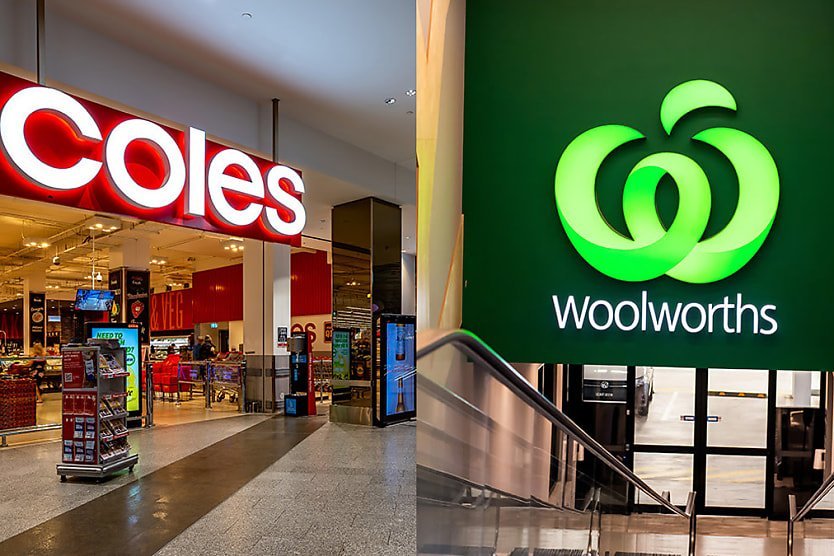
The price of fertiliser is also skyrocketing, with the NFF’s Horticulture Council releasing an open letter to Australian supermarket chains, urging them to take up price increases as a result of rising fuel costs.
Chair of the Horticulture Council, Jolyon Burnett, urged supermarket chains to “recognise the real costs being borne by suppliers” and support continued domestic production through the passing on of increased prices.
Analysis: What This Means for Australia
The fuel crisis and subsequent shortages of red meat and fresh produce have significant implications for Australia’s national security and food security. The country’s reliance on imported fertiliser and fuel makes it vulnerable to disruptions in global supply chains.
This highlights the need for Australia to diversify its energy sources and reduce its reliance on imported goods.
The crisis also has economic implications, with the potential for price increases and shortages to impact consumer spending and confidence.
The NFF’s warning of a “massive reduction in production of winter crop” and potential shortages of next year’s summer crop also raises concerns about the long-term sustainability of Australia’s agricultural industry.
Security analysts say that the fuel crisis and subsequent shortages of red meat and fresh produce are a wake-up call for Australia to review its national security and food security strategies.
“This crisis highlights the need for Australia to diversify its energy sources and reduce its reliance on imported goods,” said one analyst. “It also raises concerns about the long-term sustainability of Australia’s agricultural industry and the need for urgent action to support domestic production.”
Law enforcement insiders warn that the fuel crisis and subsequent shortages of red meat and fresh produce also have implications for public safety.
“The potential for price increases and shortages to impact consumer spending and confidence also raises concerns about the potential for civil unrest and public disorder,” said one insider.
Industry observers believe that the fuel crisis and subsequent shortages of red meat and fresh produce are a major challenge for Australian farmers and the agricultural industry.
“This crisis highlights the need for urgent action to support domestic production and reduce Australia’s reliance on imported goods,” said one observer.