Australians Ditch Petrol for Electric Cars as Fuel Crisis Bites: Is This the Tipping Point for a Nation on the Brink of a Green Revolution?
- Australians are abandoning petrol and diesel vehicles in droves, with electric car sales skyrocketing by 39.2 per cent in the first quarter of 2026.
- The global fuel crisis, sparked by Middle East conflict, has sent petrol prices soaring to unprecedented levels, with diesel costing over $3 a litre across the country.
- Motorists in NSW and Queensland are leading the charge, snapping up hundreds of electric vehicles as the nation teeters on the brink of a green revolution.
- Experts warn that the shift to electric cars is not just a response to the fuel crisis, but a fundamental shift in the way Australians think about transport – and it’s here to stay.
The latest sales figures from the Electric Vehicle Council reveal a seismic shift in the Australian car market, with electric vehicles (EVs) now making up 11.8 per cent of new car sales in February.
And it’s not just the environmentally conscious who are driving the change – the global fuel crisis has sent petrol prices skyrocketing, making EVs a more attractive option for cash-strapped motorists.
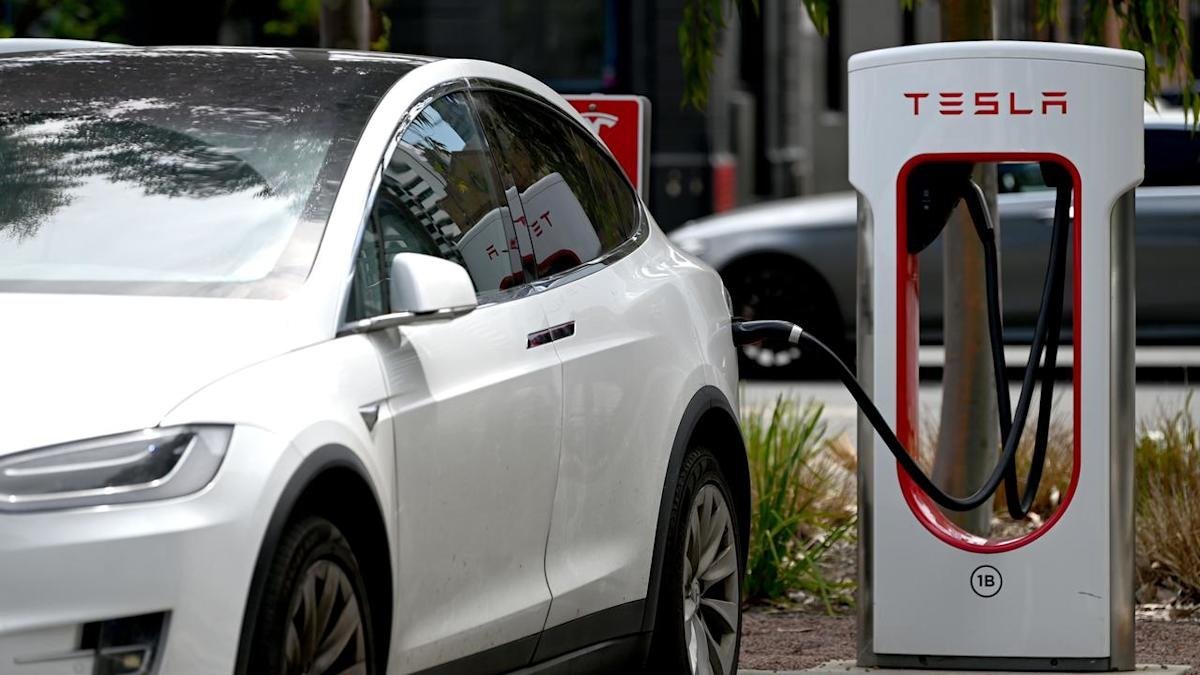
Tesla, the US automaker, has seen a massive surge in demand, with Australian consumers buying up all available local stock in March.
The company’s country director, Thom Drew, said the fuel crisis was pushing Australians to look for more certainty on energy and cost of living, and EVs were delivering exactly that.
“We’re seeing a huge increase in interest in our vehicles, particularly in NSW and Queensland,” he said.



But it’s not just Tesla that’s benefiting from the shift to electric cars.
Polestar, another major EV manufacturer, has seen test drive bookings triple in the past two weeks, despite a 12 per cent drop in sales in March.
Australian managing director Scott Maynard said there was a clear sense of urgency from customers, driving strong order volumes.
So what’s behind the sudden surge in interest in electric cars? According to Electric Vehicle Council chief executive Julie Delvecchio, the fuel crisis has accelerated a shift that was already underway.
“What we’re seeing is a tipping point,” she said. “The fuel crisis hasn’t created interest in EVs, it’s accelerated a shift that was already underway.”
And it’s not just about the environment – buying an electric car could save households up to $3000 a year, Delvecchio said. She urged the federal government to retain the fringe benefits tax exemption to help more drivers save money and conserve fuel.
Analysis: What This Means for Australia
The shift to electric cars has significant implications for Australia’s national security, law enforcement, and community safety. With the global fuel crisis showing no signs of abating, the nation’s reliance on imported oil is becoming increasingly precarious.
As the world’s largest exporter of liquefied natural gas, Australia is well-positioned to become a major player in the global EV market.
But the transition to electric cars also raises concerns about the nation’s energy infrastructure. As more and more Australians switch to EVs, the demand on the grid will increase, putting pressure on the nation’s already-strained energy resources.
Security analysts say that the government must invest in upgrading the nation’s energy infrastructure to meet the demands of a rapidly changing transport sector.
Law enforcement insiders warn that the shift to electric cars also raises concerns about the nation’s ability to police the roads. With the rise of EVs, there is a growing need for specialized training and equipment to deal with the unique challenges of electric vehicles.
Industry observers believe that the shift to electric cars is a fundamental shift in the way Australians think about transport – and it’s here to stay.
As the nation continues to grapple with the challenges of the global fuel crisis, one thing is clear: the future of transport in Australia is electric.