Australia’s $1.6 Billion Pharmaceutical Export Industry Under Threat as Trump Slaps 100% Tariff on Medicines
- Australia’s pharmaceutical sector faces a devastating blow as the US imposes a 100% tariff on imported medicines, targeting one of the country’s top exports.
- Health Minister Mark Butler assures Australians that the tariff will not impact medicine prices under the Pharmaceutical Benefits Scheme (PBS), but exporters are bracing for the worst.
- The Trump administration’s move is part of a push to boost domestic manufacturing, but Australian politicians from both sides are united in their opposition to the tariff.
- The Coalition has pledged to work with the government to secure exemptions for Australian companies, with Opposition Leader Angus Taylor calling for free trade to prevail.
The pharmaceutical industry is reeling as the US slaps a 100% tariff on imported medicines, dealing a massive blow to Australia’s $1.6 billion export market.
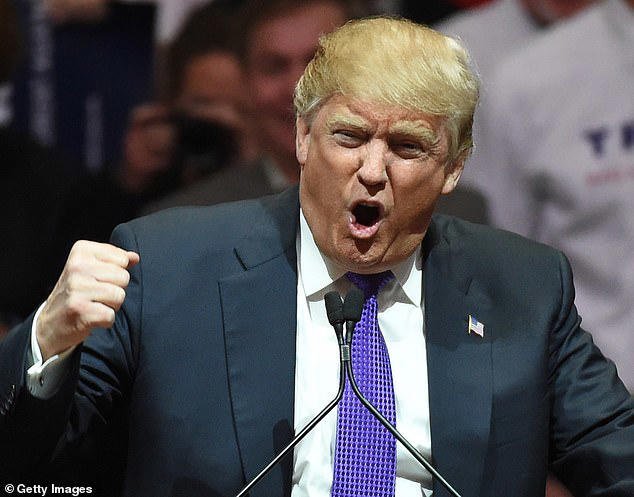
The move, announced by US President Donald Trump, targets patented medicines manufactured outside the United States, including those produced by Australian companies.
Health Minister Mark Butler has moved to reassure Australians that the tariff will not impact prices under the Pharmaceutical Benefits Scheme (PBS), which has been in place for 80 years.

“We’ve said very clearly there is no way we’re negotiating about those fundamental elements of the PBS that has served Australia so well for 80 years,” Butler told Sunrise.
“There’s no way we’re negotiating about that.”



But the tariff has sparked widespread concern among Australian pharmaceutical exporters, who have been sending high-value medicines to the US under a long-standing free trade agreement.
The Trump administration argues that the tariff is needed to protect supply and reduce reliance on overseas production, but Australian politicians from both sides are united in their opposition to the move.
Opposition Leader Angus Taylor told Sunrise that the tariff was unwelcome and confirmed that the Coalition would support efforts to secure exemptions for Australian companies. “We want to see free trade.
I’m a strong believer that that’s ultimately good for Australians, and that includes in pharmaceuticals,” Taylor said. “We’ll work with the government to do anything we have to to get it overturned or get an exemption for Australian exporters.”
Butler said the government was confident that the largest exporter, which has significant manufacturing operations in the United States, could be made exempt from the tariff.
However, the uncertainty surrounding the tariff has already sent shockwaves through the industry, with many exporters bracing for the worst.
Security analysts say the tariff could have significant implications for Australia’s national security, particularly in the event of a global pandemic or health crisis. “Australia’s reliance on imported medicines makes us vulnerable to supply chain disruptions,” one analyst warned.
“The tariff could exacerbate this vulnerability and put Australian lives at risk.”
Law enforcement insiders also warn that the tariff could lead to an increase in counterfeit medicines entering the Australian market. “The tariff could create a black market for medicines, which would be devastating for Australian consumers,” one insider said.
Analysis: What This Means for Australia
The tariff has significant implications for Australia’s pharmaceutical industry, which is a major contributor to the country’s economy. The industry is worth $1.6 billion and employs thousands of people across the country.
The tariff could lead to job losses and economic instability, particularly in regional areas where pharmaceutical manufacturing is a major employer.
The tariff also raises concerns about Australia’s national security and public health. The country’s reliance on imported medicines makes it vulnerable to supply chain disruptions, and the tariff could exacerbate this vulnerability.
The government must take immediate action to protect Australian exporters and ensure that the country’s medicine supply is secure.
Industry observers believe that the tariff could also have significant implications for Australia’s trade relationships with other countries. “The tariff is a clear example of the Trump administration’s protectionist policies, which could have far-reaching consequences for Australia’s trade relationships,” one observer said.
As the situation continues to unfold, one thing is clear: the tariff has significant implications for Australia’s pharmaceutical industry, national security, and public health. The government must take immediate action to protect Australian exporters and ensure that the country’s medicine supply is secure.