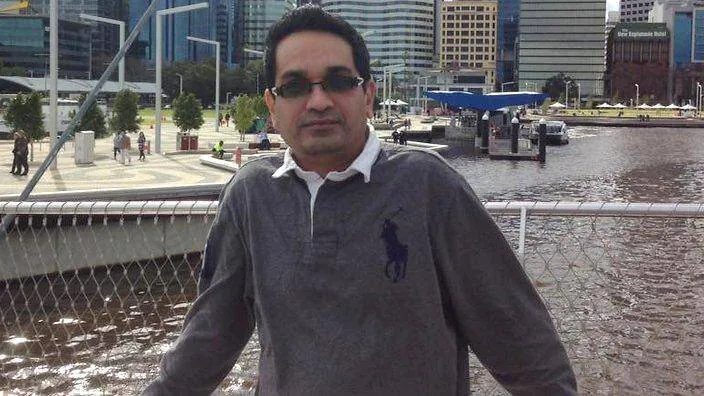
Tragic End to a Life of Violence: The Chilling Letters of a Melbourne Murderer
- Hari Dhakal, a Nepali chef, stabbed a customer to death in a Ballarat restaurant in 2016 after a heated argument.
- Dhakal, who was found dead in his prison cell in 2024, wrote letters expressing sorrow and remorse to the victim’s wife, but they were never delivered.
- The Victorian Coroner’s findings revealed that Dhakal developed a psychotic illness while in prison, despite no prior mental health concerns.
- The case raises questions about the management of mentally ill prisoners and the impact of violent crime on victims’ families.
The discovery of Hari Dhakal’s lifeless body in his prison cell marked the end of a tragic and violent chapter in his life. The 50-year-old Nepali chef had been serving time for the brutal murder of a customer at a Ballarat restaurant in 2016.
But what was not known until now was that Dhakal had been writing letters to the victim’s wife, expressing his deep sorrow and remorse for his actions.
The events that led to Dhakal’s imprisonment began on a quiet night in Ballarat, when he was working at the Ballarat Curry House. A customer, Abdullah Siddiqi, had been drinking heavily and became increasingly abusive towards Dhakal.

Despite knowing that Siddiqi was too drunk to cause harm, Dhakal snapped and stabbed him 17 times in the head and neck. The attack was so brutal that it left the restaurant’s kitchen and floor covered in blood.
Dhakal’s subsequent confession to police was chilling, with him describing the attack as like something out of a movie. He claimed that Siddiqi had verbally abused him, calling him a “sister f***er” and saying that he was “nothing” as a chef.


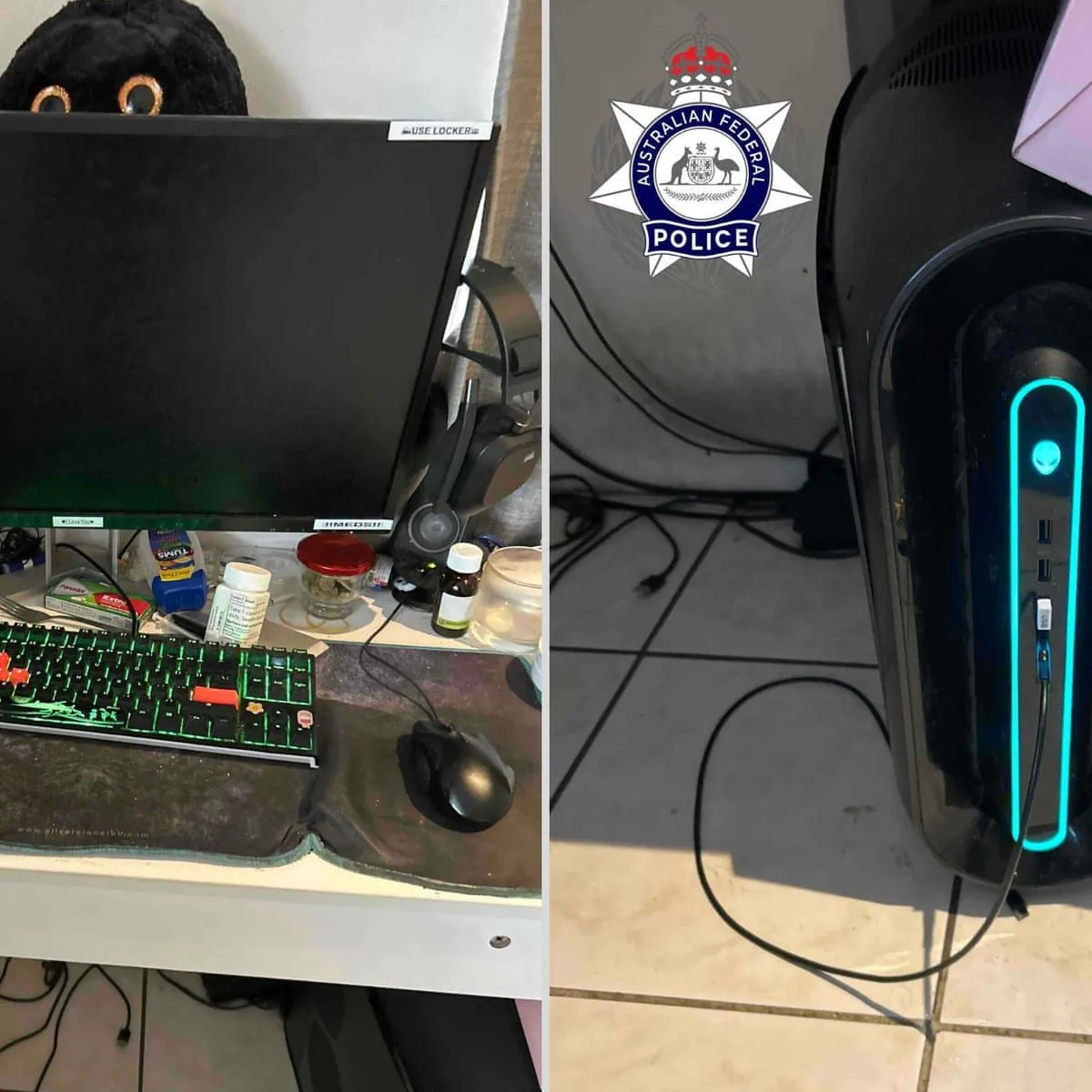

But despite his claims of provocation, Dhakal’s actions were deemed to be completely unacceptable by the court.
As Dhakal’s case made its way through the courts, it became clear that he had been living in Australia unlawfully since 2003. His application for a protection visa had been denied, and he had been warned that he would likely be deported upon his release from prison.
But it was not to be, as Dhakal’s life was cut short in his prison cell.
The Victorian Coroner’s findings into Dhakal’s death revealed that he had developed a psychotic illness while in prison, despite no prior mental health concerns. He had been admitted to a secure mental health facility six times and had been prescribed various psychiatric medications.
But despite these efforts, Dhakal’s mental health continued to deteriorate, and he eventually took his own life.
Analysis: What This Means for Australia
The case of Hari Dhakal raises serious questions about the management of mentally ill prisoners in Australia. Dhakal’s descent into psychosis while in prison is a stark reminder of the need for better mental health support and resources in our correctional facilities.
It also highlights the need for greater scrutiny of the visa system, which allowed Dhakal to remain in Australia unlawfully for so long.
But perhaps most importantly, this case serves as a reminder of the devastating impact of violent crime on victims’ families.
Abdullah Siddiqi’s wife was left to pick up the pieces after her husband’s brutal murder, and the fact that Dhakal’s letters of remorse were never delivered to her is a poignant reminder of the ongoing suffering that she and her family have endured.
Law enforcement insiders warn that cases like Dhakal’s are all too common, and that the management of mentally ill prisoners is a major concern for correctional facilities across the country.
“It’s a ticking time bomb,” said one insider. “We need to do more to support these prisoners and prevent tragedies like this from happening again.”