Revolutionising Childcare: Could 12-Month Paid Parental Leave Be the Game-Changer Australian Families Need?
- A bold new plan to extend paid parental leave to 12 months could be on the cards for Australian families, giving them more flexibility and choice in childcare.
- A co-working space in Sydney is pioneering a new model of childcare, allowing parents to work while their babies are cared for next door.
- The Coalition is exploring a range of policy changes, including tax breaks for families and reforms to subsidy rules, to give parents more options and support.
- Advocates say longer paid parental leave is crucial for giving parents more choice during their child’s earliest years, but it would come with a significant cost to the federal budget.
The way Australian families balance work and parenting is about to get a major shake-up, with the federal opposition considering a suite of childcare reforms that could revolutionise the way we care for our kids.
At the heart of the plan is a proposal to extend paid parental leave to 12 months, giving families more flexibility and choice in those critical early years.
But it’s not just about the policy – it’s about the people. For mothers like Tia Gargoulakis, who helps manage several dental practices across NSW, finding a childcare solution that works has been a constant struggle.
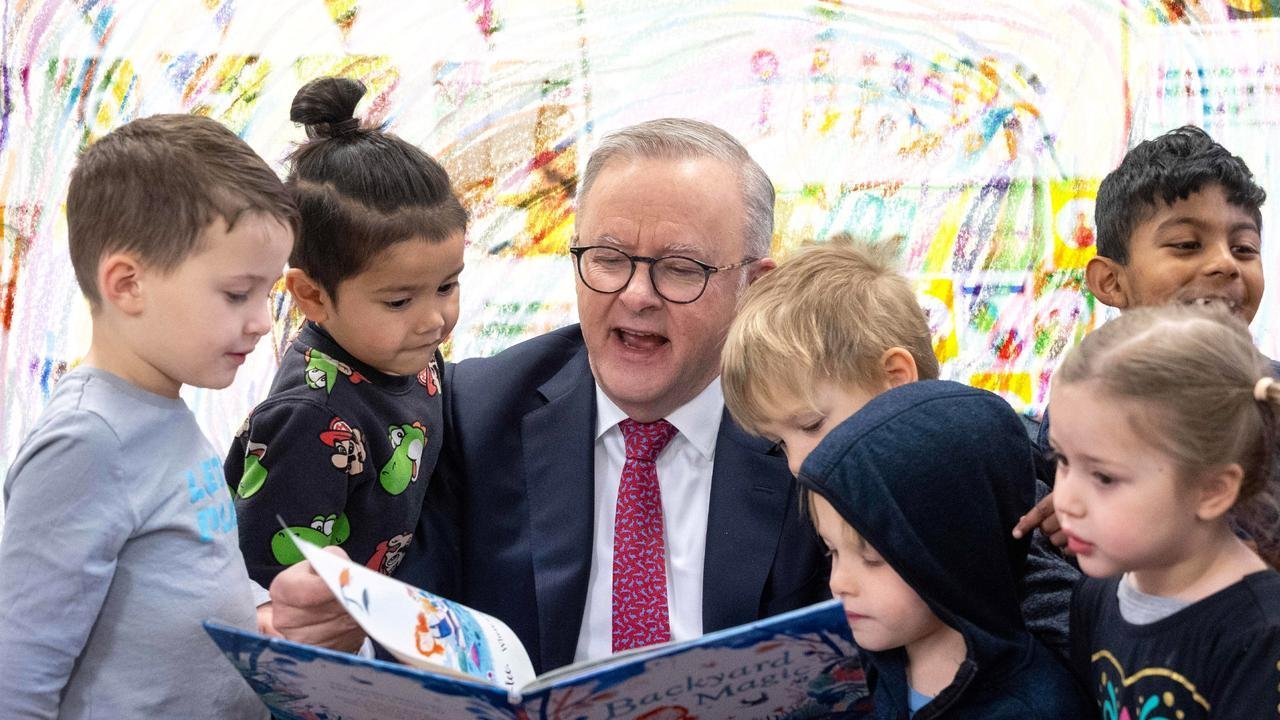
That’s why she’s turned to a pioneering new co-working space in Sydney, where parents can work while their babies are cared for next door. “We’re expected to parent as if we don’t have a full-time job and work as if we don’t have children,” she says.
“This gives me an opportunity to parent the way I want to parent and be close to my child but also still maintain my employment.”


The co-working space, called BubbaDesk, was founded by Lauren Perrett after she became a mother and struggled to find a childcare solution that worked for her.
“When I had my first baby, Charles, and the thought of returning to work, I didn’t want to use traditional daycare because I didn’t like the idea of being a physical distance away from him,” she says.
“I wanted to continue breastfeeding, and there was no solution that offered that workspace with childcare next door. So I created it myself.”
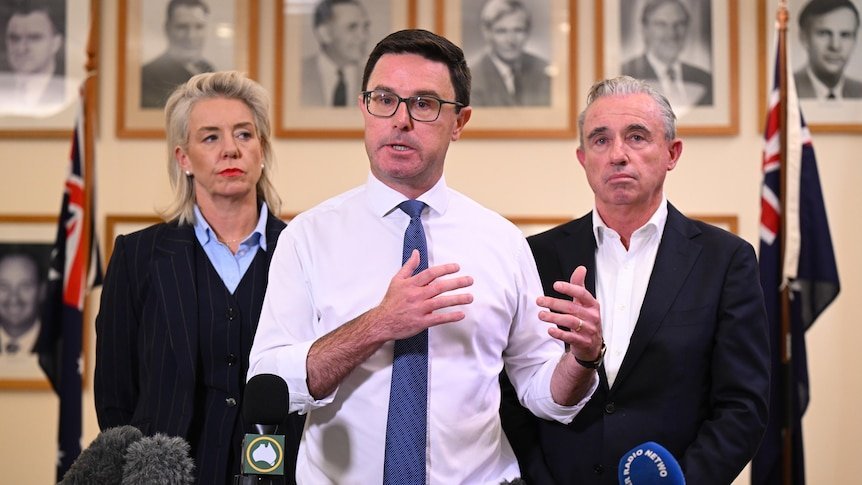
Perrett’s model is privately funded and not currently supported through government childcare subsidies, but it’s caught the attention of the federal opposition. Shadow Minister for Childcare Choice Matt O’Sullivan says the current system doesn’t work for every family, and it’s time for a change.
“The one-size-fits-all system that the Albanese government have been pursuing with earnest is not suitable for all families,” he says. “We want to see greater flexibility and choice when it comes to childcare.”
O’Sullivan says the Coalition is considering allowing funding to go directly to families, so they can choose the care arrangement that works best for them. That could include support for grandparents, who already provide childcare for many Australian families.
Ann and Edmond O’Donovan, who help care for their 12 grandchildren, say it’s a vital role that needs more recognition. “We know what that’s like,” Ann says.
“We’ve had our own family, so just getting some of those breaks for parents… (is) very important.”
But the biggest policy under consideration is extending paid parental leave to 12 months. O’Sullivan says it’s a crucial investment in families, even if it comes with a significant cost to the federal budget.
“It’s an investment of taxpayers’ money into families and making sure that families have got the best system that suits them,” he says.
Analysis: What This Means for Australia
The potential extension of paid parental leave to 12 months is a game-changer for Australian families, giving them more flexibility and choice in childcare. But it’s not just about the policy – it’s about the people.
For families like the Gargoulakises, who are struggling to balance work and parenting, this could be a lifeline. And for businesses like BubbaDesk, which are pioneering new models of childcare, this could be a major opportunity.
But it’s also about the bigger picture. As the Australian workforce becomes increasingly hybrid, childcare needs to adapt.
The current system is not working for every family, and it’s time for a change.
The Coalition’s proposal to extend paid parental leave and give families more choice in childcare is a step in the right direction, but it’s just the beginning.
As O’Sullivan says, “We’re not putting any roadblocks in front of any particular model, and nor am I saying exactly what we’re going to do here today because we’re going through the process of actually working out the best way to provide that support and flexibility to families.”
Security analysts say that extending paid parental leave could have significant benefits for national security, as it would allow parents to balance work and family responsibilities more effectively.
“It’s about giving families the support they need to thrive,” says one analyst. “When families are happy and healthy, they’re more productive and more secure.
That’s good for everyone.”
Law enforcement insiders warn that the current childcare system is failing to support families, particularly those in vulnerable communities. “We see it every day – families who are struggling to make ends meet, who are desperate for support,” says one insider.
“Extending paid parental leave could be a game-changer for these families, giving them the support they need to get back on their feet.”
Industry observers believe that the extension of paid parental leave could have significant economic benefits, as it would allow parents to return to work more quickly and contribute to the economy.
“It’s about investing in families and giving them the support they need to thrive,” says one observer. “When families are happy and healthy, they’re more productive and more secure.
That’s good for everyone.”