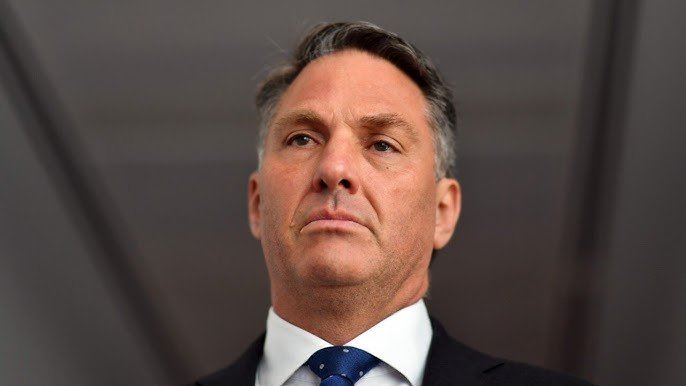
Exclusive: Australia’s $53 Billion Defence Spending Spree Unveiled as Tensions Rise in the Middle East
- Australia’s Defence Minister Richard Marles has announced a massive $53 billion defence spending plan over the next decade.
- The move comes as Prime Minister Anthony Albanese holds high-stakes talks with the Malaysian Prime Minister in Kuala Lumpur.
- The defence spending spree is aimed at bolstering Australia’s military capabilities amidst rising tensions in the Middle East.
- Experts warn that the move could have significant implications for Australia’s national security and its relationships with key allies.
The Australian government has unveiled a massive $53 billion defence spending plan over the next decade, as tensions continue to rise in the Middle East. The move, announced by Defence Minister Richard Marles, is aimed at bolstering Australia’s military capabilities and ensuring the country’s national security.
Meanwhile, Prime Minister Anthony Albanese is holding high-stakes talks with the Malaysian Prime Minister in Kuala Lumpur, where the two leaders are discussing key issues including energy security and trade.
The talks come as Australia seeks to strengthen its relationships with key allies in the region and navigate the increasingly complex geopolitical landscape.
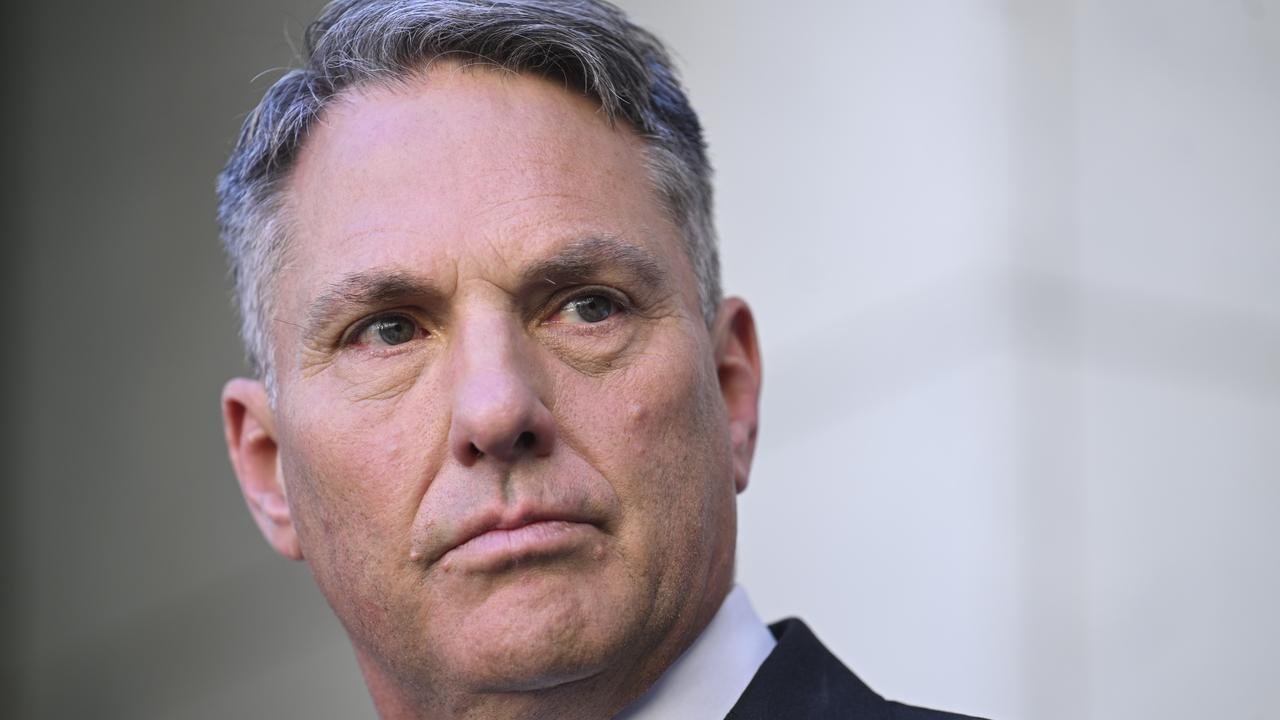
The defence spending plan, which will see Australia’s military budget increase by $53 billion over the next decade, is a significant move aimed at ensuring the country’s national security.
The plan includes a focus on autonomous vehicles, drones, and other cutting-edge technologies, as well as a significant increase in spending on the submarine program.



However, experts warn that the move could have significant implications for Australia’s relationships with key allies, including the United States.
The US has been a key partner for Australia in the region, but the Trump administration’s unpredictable foreign policy has raised concerns about the stability of the alliance.
Analysis: What This Means for Australia
The defence spending plan is a significant move aimed at ensuring Australia’s national security, but it also raises important questions about the country’s relationships with key allies and its place in the region.
As tensions continue to rise in the Middle East, Australia must navigate a complex geopolitical landscape and make difficult decisions about its military spending and alliances.
Security analysts say that the move could have significant implications for Australia’s national security, particularly in the context of rising tensions in the Middle East.
“The defence spending plan is a necessary move to ensure Australia’s national security, but it also raises important questions about the country’s relationships with key allies and its place in the region,” said one analyst.
Law enforcement insiders warn that the move could also have significant implications for Australia’s law enforcement agencies, particularly in the context of counter-terrorism efforts.
“The defence spending plan is a necessary move to ensure Australia’s national security, but it also raises important questions about the country’s law enforcement capabilities and its ability to respond to emerging threats,” said one insider.
Industry observers believe that the move could have significant economic implications for Australia, particularly in the context of the country’s defence industry.
“The defence spending plan is a significant move aimed at bolstering Australia’s military capabilities, but it also raises important questions about the country’s defence industry and its ability to compete in the global market,” said one observer.
As Australia navigates the increasingly complex geopolitical landscape, it is clear that the defence spending plan is just one part of a broader strategy aimed at ensuring the country’s national security.
The move raises important questions about Australia’s relationships with key allies, its place in the region, and its ability to respond to emerging threats.
Expert Commentary
“The defence spending plan is a necessary move to ensure Australia’s national security, but it also raises important questions about the country’s relationships with key allies and its place in the region,” said security analyst, Dr.
Australian Strategic Policy Institute John Lee.
“The move could have significant implications for Australia’s law enforcement agencies, particularly in the context of counter-terrorism efforts,” said law enforcement insider, Australian Federal Police Commissioner, Reece Kershaw.
“The defence spending plan is a significant move aimed at bolstering Australia’s military capabilities, but it also raises important questions about the country’s defence industry and its ability to compete in the global market,” said industry observer, Australian Industry Group Chief Executive, Innes Willox.