War Hero Turned Accused Murderer: Ben Roberts-Smith Granted Bail Amid ‘Unprecedented’ War Crimes Trial
- Victoria Cross recipient Ben Roberts-Smith faces five counts of war crime murder in Afghanistan, with a trial that could take years
- Roberts-Smith, 47, was granted bail despite prosecutors’ concerns about flight risk and witness interference
- Defence lawyers argue the case is ‘uncharted legal territory’ and that pre-trial publicity may impact the fairness of the proceedings
- Supporters, including fellow veterans, gathered outside court, with one saying the federal government doesn’t support servicemen and women ‘as well as they should’
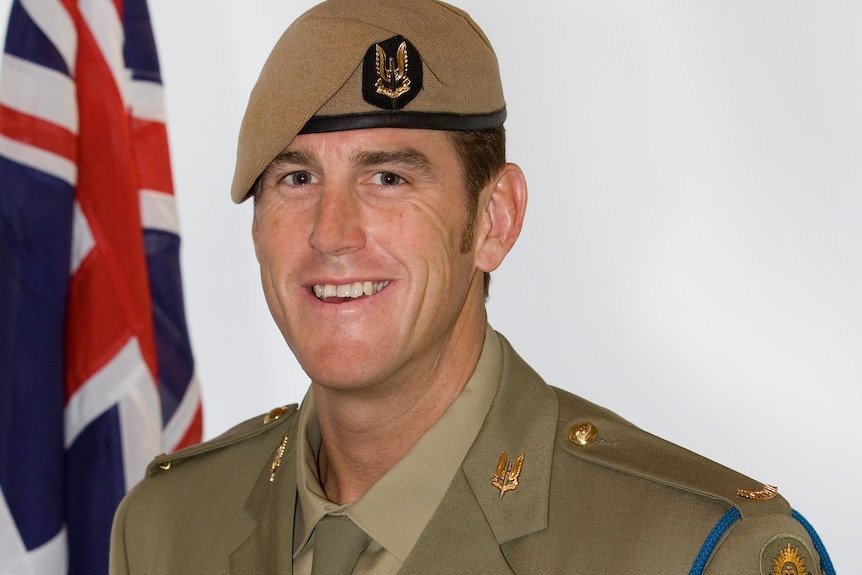
Ben Roberts-Smith, the decorated war veteran and Victoria Cross recipient, has been granted bail after spending more than a week in custody over allegations of war crimes.
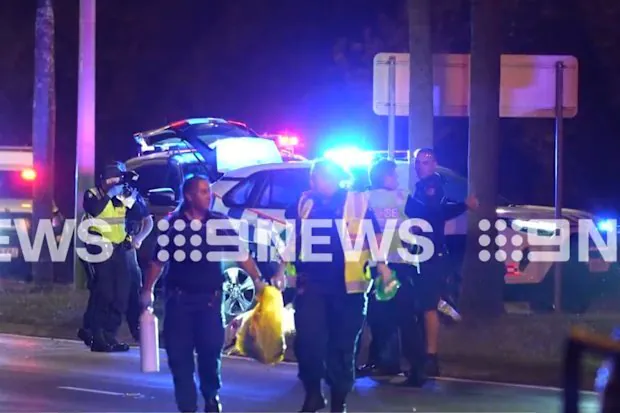
The 47-year-old former soldier was arrested at Sydney Domestic Airport and charged with five counts of the war crime of murder, alleged to have occurred in Afghanistan in 2009 and 2012.
The case is considered ‘unprecedented’ and involves ‘uncharted legal territory’, according to Roberts-Smith’s lawyers.
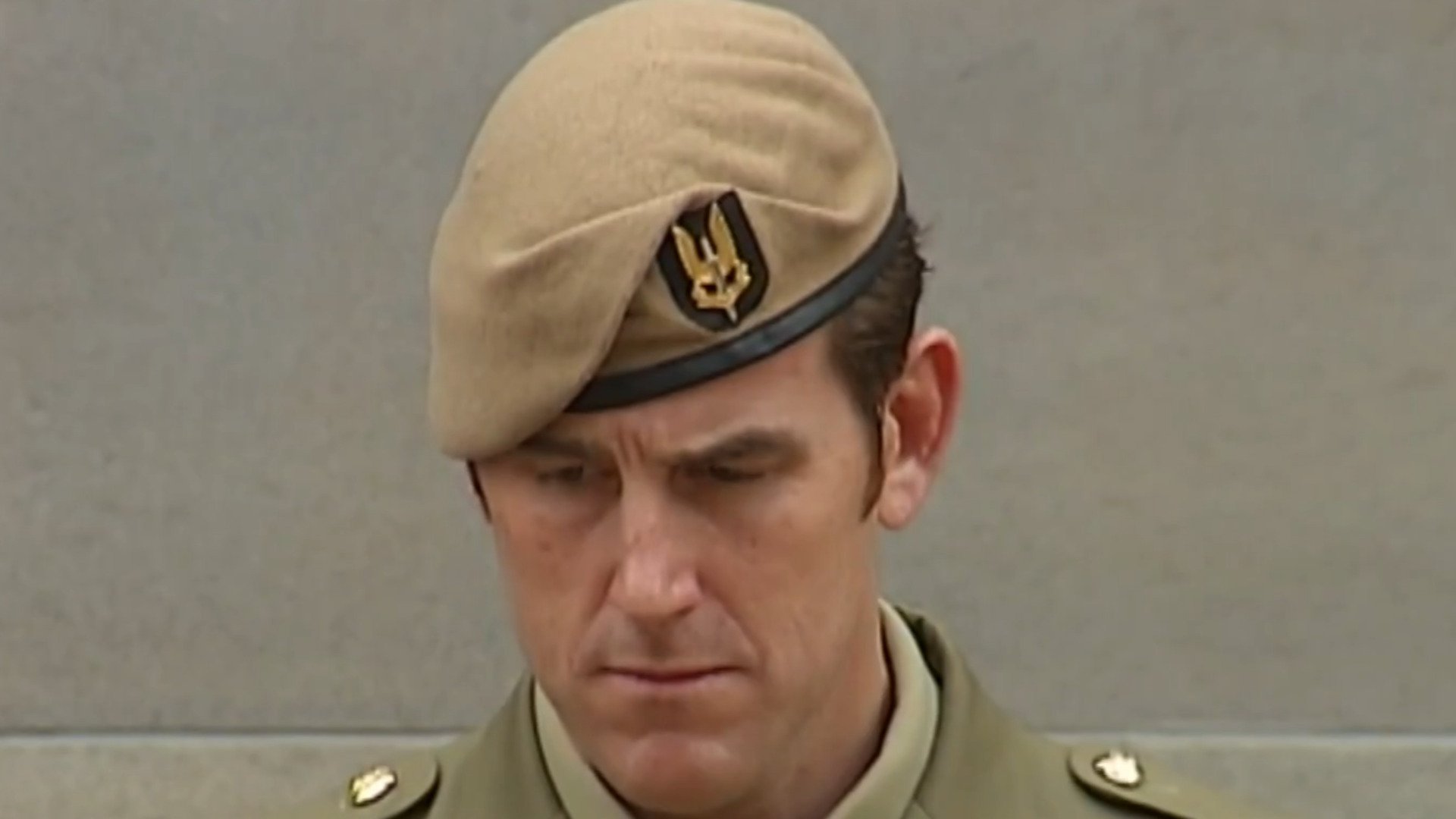
They argued that the fairness of the proceedings would be compromised if their client had to defend himself from custody, given the likely years-long duration of the trial.
The Crown, however, highlighted the ‘gravely serious’ nature of the charges and the risk of flight and witness interference.


Roberts-Smith’s lawyers also raised concerns about the impact of pre-trial publicity on the proceedings, citing the ‘extraordinary’ and ‘persisting’ media coverage of the allegations.
They suggested that a superior court may need to consider whether a fair trial is possible, given the extensive publicity.
Local Court Judge Greg Grogin found that it would take years before the matter was resolved and granted bail, citing ‘exceptional circumstances’ and the need to mitigate concerns raised by prosecutors through strict conditions.
Roberts-Smith has not yet entered pleas, but he denied the allegations throughout a defamation case which he lost against Nine newspapers.
The case has sparked controversy and debate, with some supporters arguing that the federal government doesn’t support servicemen and women ‘as well as they should’. Veteran Trevor Stewart said he believed the proceedings were ‘unfair’ and that he was ‘disappointed’ in the government’s handling of the case.
Analysis: What This Means for Australia
The Roberts-Smith case has significant implications for Australia’s national security and the country’s commitment to upholding the rule of law.
The allegations of war crimes and the subsequent trial will likely take years, testing the country’s judicial system and its ability to handle complex and sensitive cases.
Security analysts say the case highlights the need for greater transparency and accountability in Australia’s military operations overseas.
‘The allegations against Roberts-Smith are serious and disturbing, and it’s essential that the Australian government takes a strong stance against war crimes,’ said one analyst.
Law enforcement insiders warn that the case may also have implications for the country’s border control and immigration policies.
‘If Roberts-Smith is found guilty, it could raise questions about the vetting process for military personnel and the potential risks associated with allowing individuals with questionable pasts to enter the country,’ said one insider.
The case has also sparked concerns about the impact on Australian communities and public safety.
‘The allegations against Roberts-Smith are a reminder that war crimes can have far-reaching consequences, not just for the individuals involved but also for the broader community,’ said a community leader.
As the trial continues, it’s clear that the Roberts-Smith case will have significant implications for Australia’s national security, law enforcement, and community safety. The country will be watching closely as the case unfolds, and the outcome will likely have far-reaching consequences for years to come.
war crimes national security law enforcement Australian Federal Police