Rottnest Island’s Dark Secret: Dozen More Unmarked Aboriginal Graves Suspected Amid Construction Chaos
- Authorities believe up to 12 more unmarked Aboriginal burial sites lie hidden on Rottnest Island, a popular tourist destination in Western Australia.
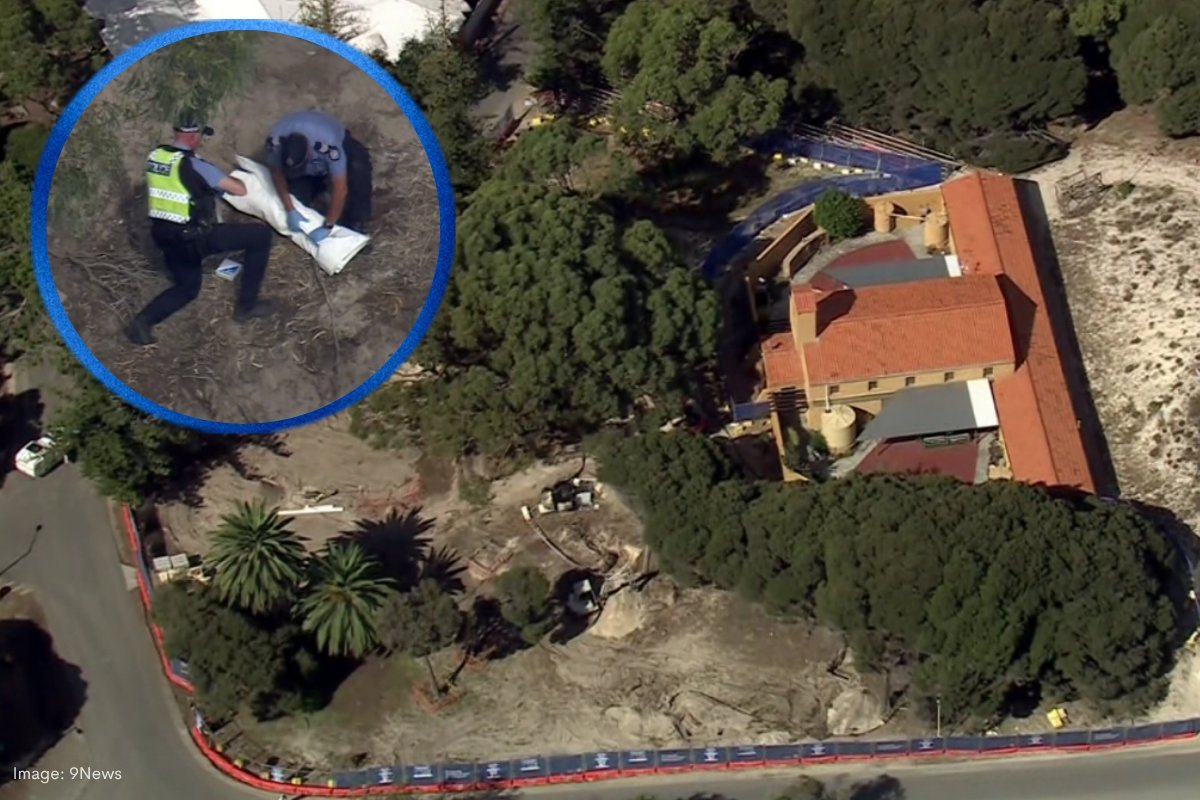
- The shocking discovery comes after human remains were found near a church during construction work, sparking widespread distress among Indigenous communities.
- The Rottnest Island Authority has paused operations and is working with Whadjuk Aboriginal Corporation to ensure cultural protocols are followed and respectful decisions are made.
- The island’s dark history as an Aboriginal prison has long been shrouded in secrecy, but authorities are now working to uncover the truth and educate visitors about the island’s brutal past.
Rottnest Island, a picturesque haven off the coast of Western Australia, has been left reeling after the discovery of human remains during construction work near a church.
The bones, believed to be Indigenous, have sparked widespread distress among Aboriginal communities, and authorities now suspect that up to 12 more unmarked burial sites lie hidden on the island.
The discovery has brought to light the island’s dark history as an Aboriginal prison, where thousands of Indigenous Australians were incarcerated and subjected to inhumane treatment.
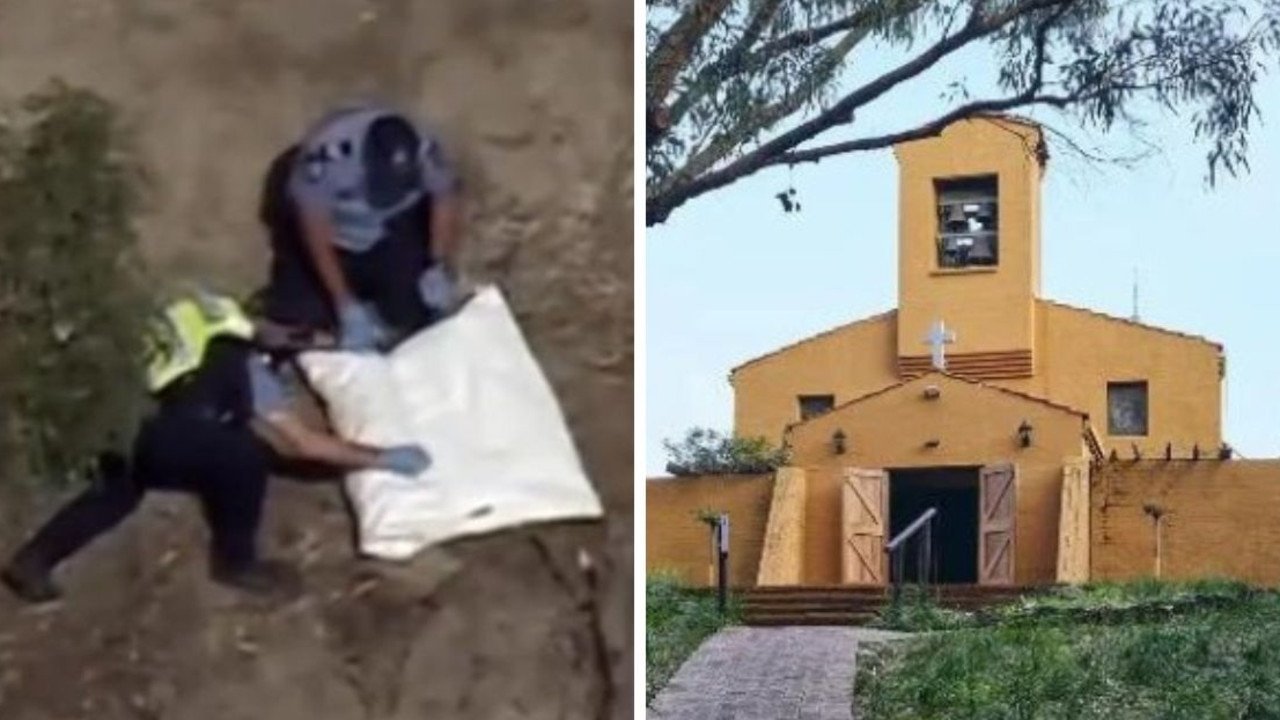
The Rottnest Island Authority (RIA) has confirmed that a ground-penetrating radar survey has identified 12 potential “burial like anomalies” at the site, although additional archaeological investigation is required to confirm the findings.
The RIA and Whadjuk Aboriginal Corporation (WAC) are working together to ensure cultural protocols are followed and respectful decisions are made regarding the protection and ongoing management of the site.


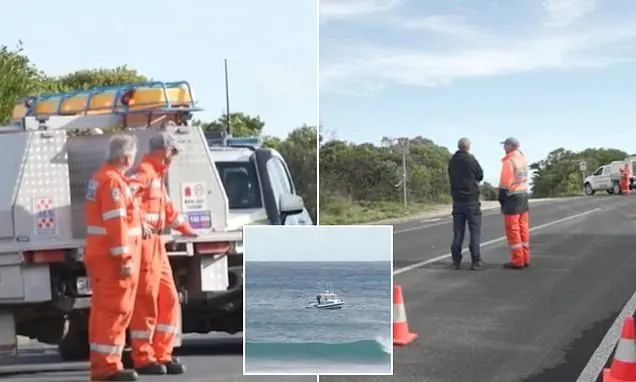

Whadjuk Noongar monitors will continue to oversee the site, and a joint statement released by the RIA and WAC emphasized the importance of respecting the island’s cultural heritage.
Minister for Tourism Reece Whitby has announced that operations have been ceased, and the government will take advice from elders on how to proceed. “We want to be very respectful and do this in a very appropriate way, we understand the distress that this causes people,” he said.
“It’s very highly likely we’ll have to change our intentions in terms of the work that was proceeding there.”
Rottnest Island’s dark history has long been shrouded in secrecy, but authorities are now working to uncover the truth and educate visitors about the island’s brutal past.
The Wadjemup Project, launched to educate visitors on the island’s history, includes the construction of a memorial for the 373 unmarked graves in the Wadjemup Aboriginal Burial Ground.
Analysis: What This Means for Australia
The discovery of the unmarked graves on Rottnest Island has significant implications for Australia’s Indigenous communities and the country’s broader reconciliation efforts.
Security analysts say that the incident highlights the need for greater cultural sensitivity and awareness when it comes to development and construction projects on sacred sites.
Law enforcement insiders warn that the discovery could also have implications for the protection of Indigenous cultural heritage, with concerns that similar sites may be at risk of desecration.
Industry observers believe that the incident will lead to increased scrutiny of development projects and a greater emphasis on community engagement and consultation.
The incident also raises questions about Australia’s role in preserving its Indigenous cultural heritage and the need for greater transparency and accountability when it comes to the treatment of sacred sites.
As the country continues to grapple with its complex and often fraught Indigenous history, the discovery on Rottnest Island serves as a stark reminder of the importance of respecting and preserving the cultural heritage of all Australians.