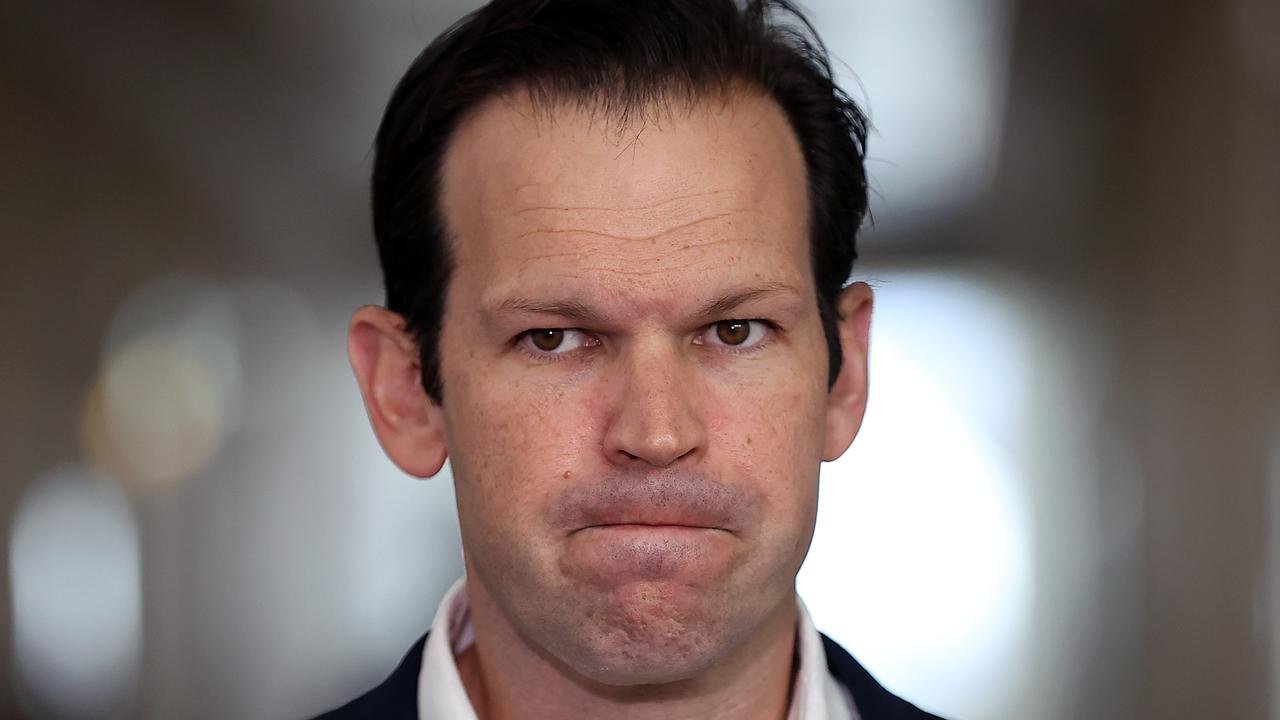
Nationals Leader Demands Royal Commission into Indigenous Sexual Abuse as Government ‘Runs Scared’ from Policy Reform
- Nationals leader Matthew Canavan slams government for ‘doing nothing’ on Indigenous policy since Voice to Parliament referendum defeat
- Senator Canavan calls for royal commission into sexual abuse in Indigenous communities, citing ‘shocking incidents’ and wasted public funding
- Prime Minister Anthony Albanese concedes conditions in town camps are ‘not up to scratch’ but rejects calls for major inquiry
- Indigenous community groups warn against politicisation of children and repeat of Howard-era ‘Intervention’ debacle
The Nationals leader, Matthew Canavan, has delivered a scathing attack on the federal government’s handling of Indigenous policy, accusing it of “running scared” since the defeat of the Voice to Parliament referendum in 2023.
Senator Canavan has demanded the government “get its hands dirty” and re-engage with Indigenous policy, warning that tragedies like the death of five-year-old Kumanjayi Little Baby will continue to happen unless practical steps are taken to improve people’s lives.
Senator Canavan, a vocal opponent of the Indigenous Voice to Parliament, said the government’s lack of action on Indigenous policy was “concerning.” He claimed that the government had been “doing nothing” on the issue since the referendum defeat and that it was time for the prime minister to “dust himself off” and take action.
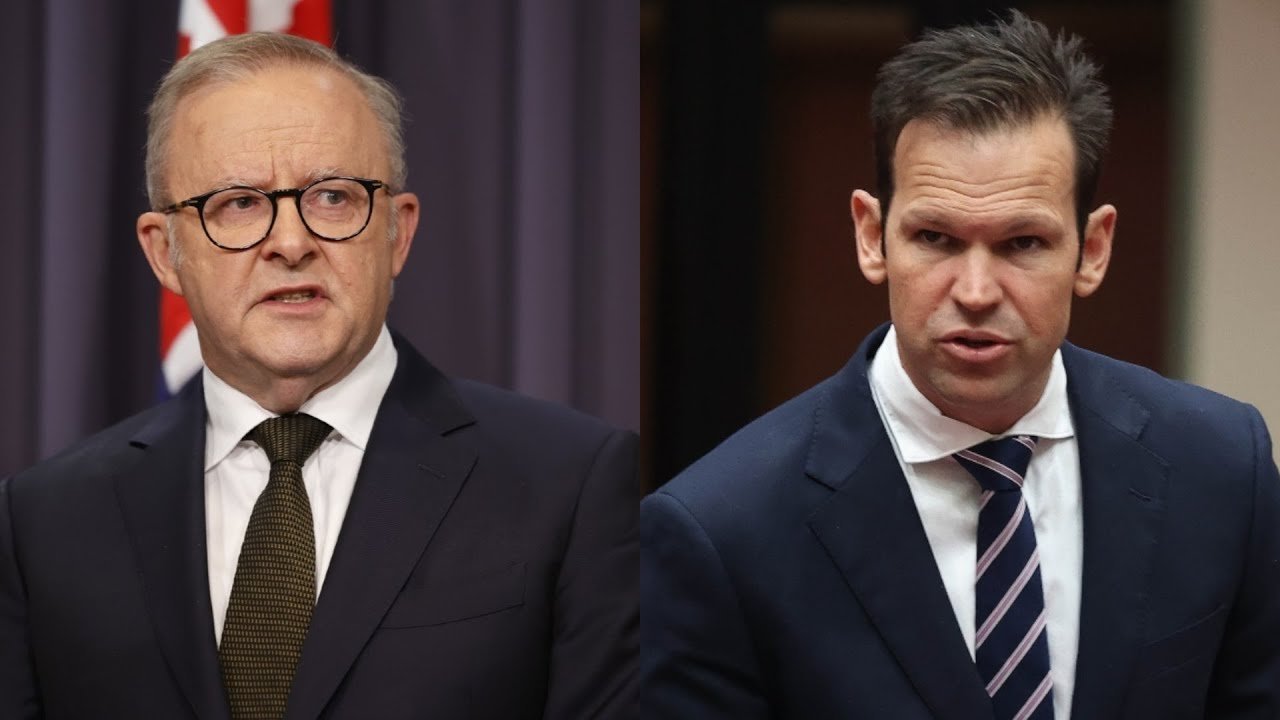
The Nationals leader also called for a royal commission into sexual abuse in Indigenous communities, which he said could examine the “shocking incidents” in Indigenous communities and the public funding being committed to those communities.
The proposal for a royal commission was met with fierce opposition from major Indigenous community groups, such as the peak body for Indigenous children, SNAICC.
The group warned that the proposal was a politicisation of children in Indigenous communities and had been put forward “without one shred of real evidence being presented.” The community is also wary of the proposal, given the trauma caused by the Howard-era emergency intervention into Northern Territory affairs, known as “The Intervention,” which imposed restrictions on the consumption of alcohol, pornography, and changes to social payments and the delivery of education, employment, and health services to Indigenous communities in the NT.
The community is still reeling from the alleged murder of Kumanjayi Little Baby, who went missing from a home at Old Timers/Ilyperenye town camp. The prime minister has conceded that conditions in town camps are “not up to scratch” but rejected calls for a major inquiry.
Instead, Mr.
Albanese said that the government was focused on practical measures, such as providing housing funding and expanding a subsidy to lower grocery prices at food stores across remote Australia.
However, Senator Canavan argued that tipping more money into Indigenous supports would not fix the structural issues in many remote Indigenous communities. He said that governments of all persuasions had spent tens of billions of dollars on these issues, and they continued to fail.
The Nationals leader praised former prime minister Tony Abbott for his approach of spending time in community every year and suggested that Mr. Abbott could be appointed as an adviser on the issue.
Analysis: What This Means for Australia
The Nationals leader’s call for a royal commission into sexual abuse in Indigenous communities highlights the need for a comprehensive and coordinated approach to addressing the complex issues facing Indigenous Australians.
The government’s rejection of the proposal and its focus on practical measures, such as providing housing funding and expanding a subsidy to lower grocery prices, may be seen as a Band-Aid solution that does not address the underlying structural issues.
Security analysts say that the government’s failure to address the root causes of Indigenous disadvantage will continue to have serious consequences for national security and community safety.
The ongoing failure to close the gap in disadvantage between Indigenous and non-Indigenous Australians will continue to perpetuate cycles of violence, poverty, and trauma.
Law enforcement insiders warn that the government’s lack of action on Indigenous policy will continue to put pressure on already stretched resources and compromise the safety of both Indigenous and non-Indigenous Australians.
The community is still reeling from the alleged murder of Kumanjayi Little Baby, and the government’s failure to take decisive action will only exacerbate the sense of frustration and disillusionment.
Industry observers believe that the government’s approach to Indigenous policy is ad hoc and lacks a clear vision for the future.
The Nationals leader’s call for a royal commission into sexual abuse in Indigenous communities may be seen as a necessary step towards addressing the complex issues facing Indigenous Australians, but it must be accompanied by a comprehensive and coordinated approach to addressing the underlying structural issues.