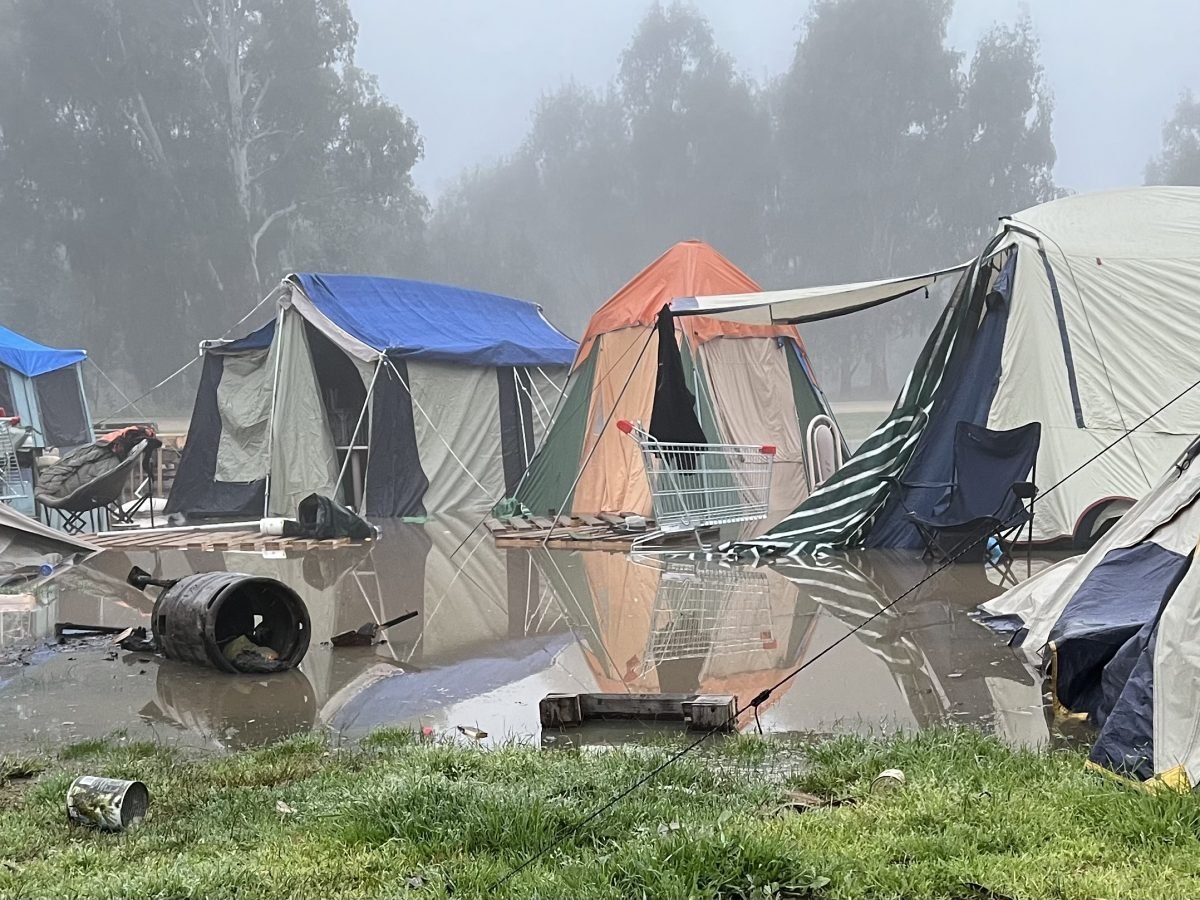
‘A Shocking and Confronting Tragedy’: Baby Dies in Homeless Camp on Murrumbidgee River as Community Leaders Demand Action on Housing Crisis
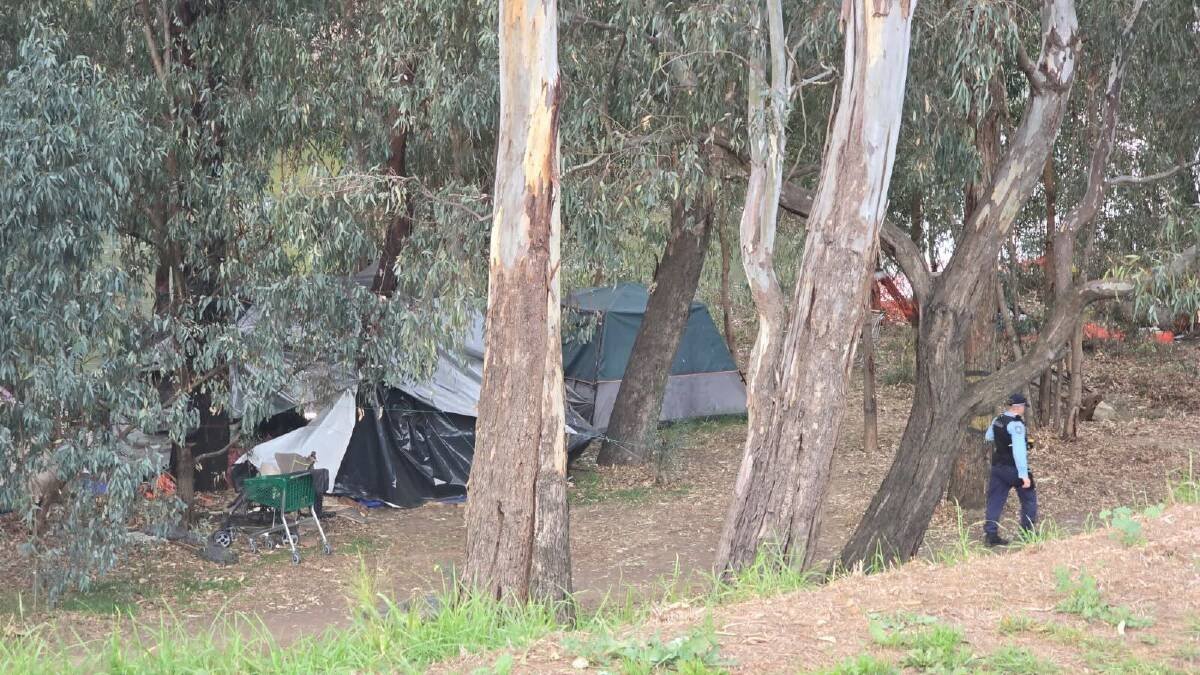
- A baby has died and its twin sibling was hospitalised after birth at a homeless camp on the Murrumbidgee River near Wagga Beach
- Community leaders in Wagga Wagga are demanding urgent solutions to the housing crisis, citing rising homelessness and complex social issues
- The incident has sparked calls for increased government action, with NSW Premier Chris Minns and relevant ministers urged to meet with local leaders to address the crisis
- Homelessness NSW reports 68,000 people sought help from homelessness services in the past two years, with rough sleeping increasing by 32 per cent
The death of a baby at a homeless camp on the Murrumbidgee River has sent shockwaves through the community, with local leaders demanding urgent action to address the growing housing crisis.
The 37-year-old mother was taken to hospital from the camp on Saturday afternoon, where she gave birth to twins, but one of the babies tragically passed away.
The incident has highlighted the desperate need for affordable housing and support services for vulnerable individuals and families.
Wagga Wagga MP Joe McGirr described the tragedy as “very confronting” and “shocking”, saying it was a stark reminder of the need for greater efforts to support people in difficult circumstances.
“We need to do more to help people who are struggling,” Dr McGirr said.



“It’s not just about providing housing, it’s about making sure people have access to the services they need to get back on their feet.” Mayor Dallas Tout echoed Dr McGirr’s sentiments, saying the issue was “driven out of state government” and calling for a meeting with NSW Premier Chris Minns and relevant ministers to address the crisis.
The housing crisis in Wagga Wagga is part of a broader issue affecting communities across New South Wales. According to Homelessness NSW, 68,000 people sought help from homelessness services in the past two years, with rough sleeping increasing by 32 per cent.
In Wagga Wagga, more than 250 people were recorded as sleeping rough in January 2025, with 674 households on the social housing waitlist. The expected wait time for social housing is five to ten years, leaving many individuals and families with limited options.
Analysis: What This Means for Australia
The death of the baby at the homeless camp on the Murrumbidgee River is a stark reminder of the need for urgent action to address the housing crisis in Australia.
The incident highlights the complex social issues that contribute to homelessness, including mental health, domestic violence, and a lack of affordable housing. As the demand for social housing continues to outstrip supply, communities like Wagga Wagga are bearing the brunt of the crisis.
The NSW government’s “housing-first” approach, backed by a record-breaking $6.6 billion investment, is a step in the right direction, but more needs to be done to address the root causes of homelessness.
Security analysts say the rise in homelessness poses a significant challenge for law enforcement, with many individuals and families forced to live in temporary or makeshift accommodation.
The lack of affordable housing also has broader economic and social consequences, with flow-on effects for healthcare, education, and community services. As the housing crisis deepens, it is clear that a coordinated approach is needed to address the complex issues driving homelessness.
Law enforcement insiders warn that the rise in homelessness is also linked to an increase in crime, with many individuals and families forced to turn to desperate measures to survive.
The NSW government’s commitment to addressing homelessness is welcome, but more needs to be done to support vulnerable communities and prevent further tragedies like the death of the baby on the Murrumbidgee River.
Industry observers believe that a combination of short-term and long-term solutions is needed to address the housing crisis. This includes increasing the supply of affordable housing, providing support services for vulnerable individuals and families, and addressing the root causes of homelessness.
As the community comes together to mourn the loss of the baby, it is clear that urgent action is needed to prevent further tragedies and ensure that everyone has access to a safe and secure place to call home.
housing crisis homelessness Homelessness NSW NSW Government