
Australian Farmers Betrayed: Government’s Sudden U-Turn on Inland Rail Project Sparks Outrage Over $45 Billion Cost Blowout
- A major part of the Inland Rail project has been scrapped due to a staggering 450% cost blowout, with the federal government pulling the plug on the ambitious infrastructure plan.
- The decision has sparked outrage among farmers and regional communities, who claim the government has abandoned its commitment to connecting eastern Australia’s agricultural heartland to key markets.
- The project’s demise has also raised questions about the government’s priorities, with critics accusing it of neglecting the needs of rural and regional areas.
- The Australian Rail Track Corporation will receive an extra $1.75 billion to improve existing rail freight services, but farmers and communities are demanding more.
The federal government’s sudden decision to scrap the Inland Rail project has sent shockwaves through Australia’s rural and regional communities, with many feeling betrayed by the move.
The project, which aimed to link Melbourne and Brisbane, was touted as a game-changer for farmers and businesses in eastern Australia, providing a faster and more efficient way to get produce to market.
However, a recent independent review found that the project’s costs had blown out by a staggering 450%, prompting the government to pull the plug.
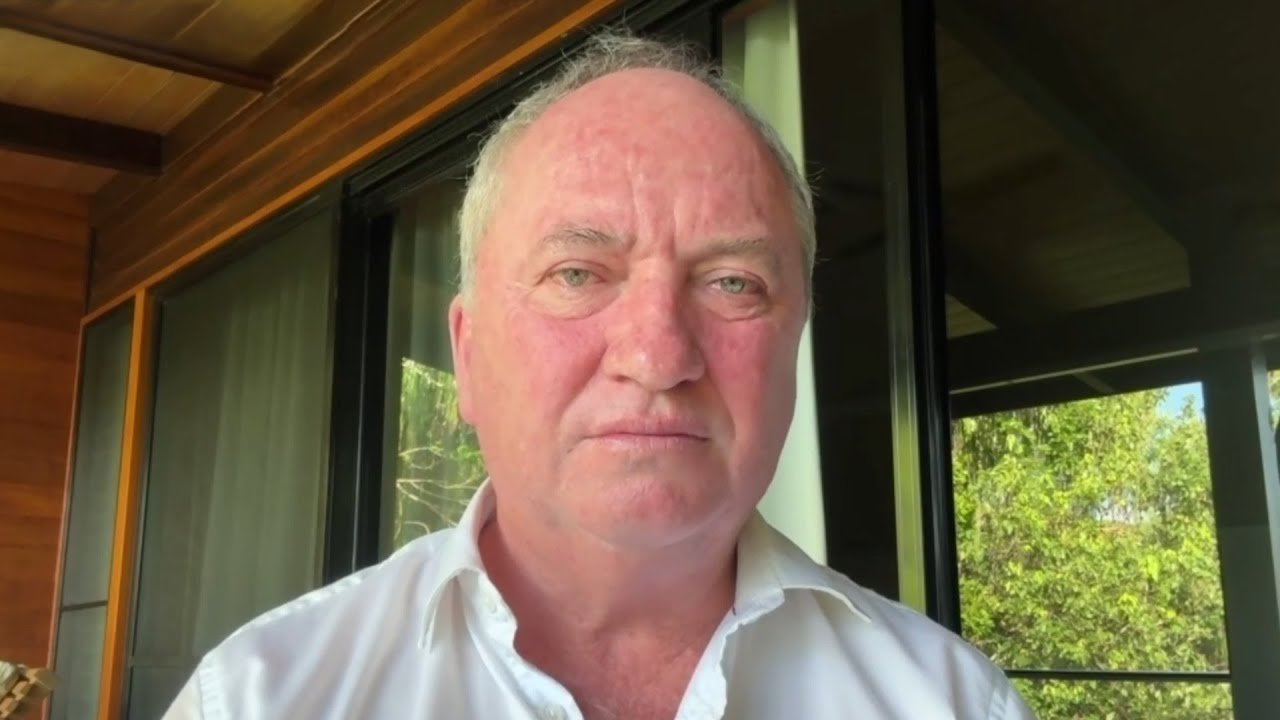
The decision has been met with fierce criticism from former Coalition deputy prime minister and current One Nation MP Barnaby Joyce, who has long championed the project.
Speaking on Sky News, Joyce condemned the government’s decision, saying it made no sense during the current fuel crisis.

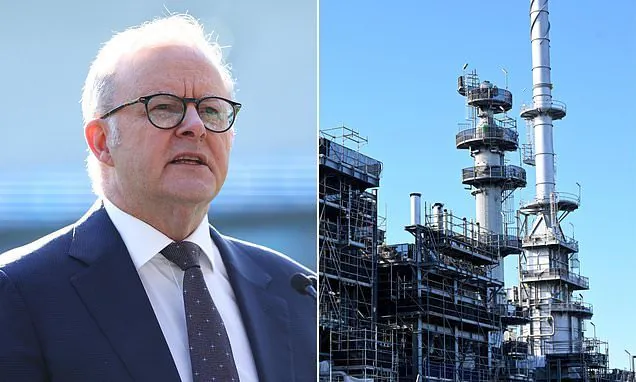

“If diesel engines attached to prime movers pulling your groceries shut down … we actually have an alternative, but they decided to shut that – it’s just beyond belief,” he said.
The peak farming body in NSW has also slammed the government’s decision, questioning whether the minister knew the furthest point of the rail lines. NSW Farmers President Xavier Martin said his organisation backed Inland Rail because moving freight more efficiently mattered to farm businesses and regional communities.
“But governments can’t ask rural and regional communities to carry the burden of disruptive construction, then just change direction without accountability,” he said. The Inland Rail project was first proposed in 2010, with the aim of creating a 1,700km rail link between Melbourne and Brisbane.
The project was designed to reduce travel times and increase the efficiency of freight transport, making it easier for farmers to get their produce to market.
However, the project has been plagued by delays and cost blowouts, with the latest review finding that the costs had ballooned to $45 billion.
Analysis: What This Means for AustraliaThe scrapping of the Inland Rail project has significant implications for Australia’s agricultural sector, which is already struggling to compete with cheaper imports.
The decision will also have a major impact on regional communities, who were relying on the project to boost their local economies.
Security analysts say the government’s decision will also have national security implications, as it will make it more difficult for Australia to transport goods and supplies in the event of a crisis.
Law enforcement insiders warn that the decision will also have implications for border control, as the rail link was seen as a key way to reduce the risk of smuggling and other illicit activities.
Industry observers believe that the decision will also have economic consequences, as it will make it more difficult for Australian businesses to compete with overseas competitors.
The government’s decision to preserve the remainder of the rail corridor to Brisbane in case a future government restarts the project has been seen as a token gesture, with many critics arguing that it is too little, too late.
The Australian Rail Track Corporation will receive an extra $1.75 billion to improve existing rail freight services, but farmers and communities are demanding more. As the debate over the Inland Rail project continues, one thing is clear: the government’s decision has left many feeling betrayed and angry.
With the agricultural sector already struggling, the scrapping of the project has raised serious questions about the government’s priorities and its commitment to regional Australia.
The federal government’s sudden decision to scrap the Inland Rail project has sent shockwaves through Australia’s rural and regional communities, with many feeling betrayed by the move. The project, which aimed to link Melbourne and Brisbane, was touted as a game-changer for farmers and businesses in eastern Australia, providing a faster and more efficient way to get produce to market. However, a recent independent review found that the project’s costs had blown out by a staggering 450%, prompting the government to pull the plug.
The decision has been met with fierce criticism from former Coalition deputy prime minister and current One Nation MP Barnaby Joyce, who has long championed the project. Speaking on Sky News, Joyce condemned the government’s decision, saying it made no sense during the current fuel crisis. “If diesel engines attached to prime movers pulling your groceries shut down … we actually have an alternative, but they decided to shut that – it’s just beyond belief,” he said.
The peak farming body in NSW has also slammed the government’s decision, questioning whether the minister knew the furthest point of the rail lines. NSW Farmers President Xavier Martin said his organisation backed Inland Rail because moving freight more efficiently mattered to farm businesses and regional communities. “But governments can’t ask rural and regional communities to carry the burden of disruptive construction, then just change direction without accountability,” he said.
The Inland Rail project was first proposed in 2010, with the aim of creating a 1,700km rail link between Melbourne and Brisbane. The project was designed to reduce travel times and increase the efficiency of freight transport, making it easier for farmers to get their produce to market. However, the project has been plagued by delays and cost blowouts, with the latest review finding that the costs had ballooned to $45 billion.
The scrapping of the Inland Rail project has significant implications for Australia’s agricultural sector, which is already struggling to compete with cheaper imports. The decision will also have a major impact on regional communities, who were relying on the project to boost their local economies. Security analysts say the government’s decision will also have national security implications, as it will make it more difficult for Australia to transport goods and supplies in the event of a crisis.
Law enforcement insiders warn that the decision will also have implications for border control, as the rail link was seen as a key way to reduce the risk of smuggling and other illicit activities. Industry observers believe that the decision will also have economic consequences, as it will make it more difficult for Australian businesses to compete with overseas competitors.
The government’s decision to preserve the remainder of the rail corridor to Brisbane in case a future government restarts the project has been seen as a token gesture, with many critics arguing that it is too little, too late. The Australian Rail Track Corporation will receive an extra $1.75 billion to improve existing rail freight services, but farmers and communities are demanding more.
As the debate over the Inland Rail project continues, one thing is clear: the government’s decision has left many feeling betrayed and angry. With the agricultural sector already struggling, the scrapping of the project has raised serious questions about the government’s priorities and its commitment to regional Australia.