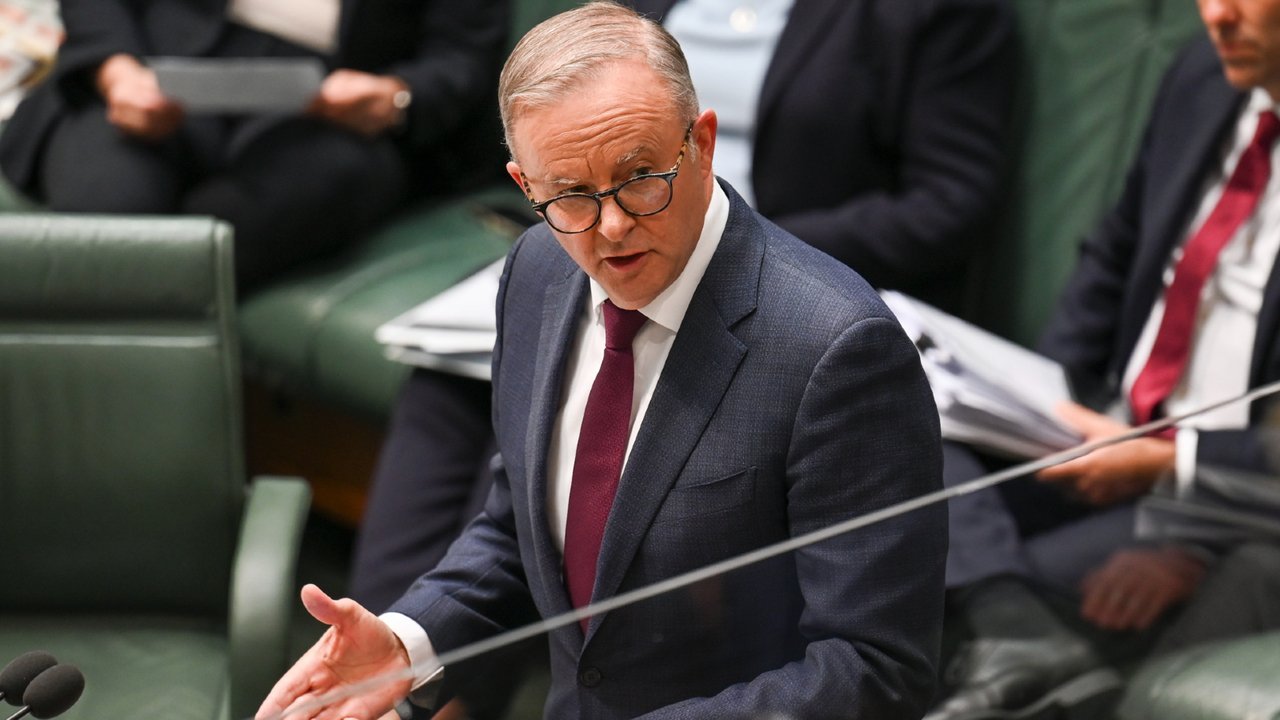
Billion-Dollar Blowout: Inland Rail Project Derailed as Federal Government Axes Funding for Melbourne to Brisbane Link
- The Inland Rail project, touted as Australia’s largest freight rail infrastructure project, has been shelved due to ballooning costs exceeding $45 billion.
- The government will complete construction between Beveridge in Victoria and Parkes in New South Wales by 2027, but the Melbourne to Brisbane link has been axed.
- The decision raises concerns about the future of Australia’s freight network and the impact on regional communities.
- Analysts warn the move may have significant implications for national security, economic growth, and the country’s ability to compete in the global market.
The federal government’s decision to halt plans for the Inland Rail project has sent shockwaves throughout the nation, sparking concerns about the future of Australia’s freight network and the impact on regional communities.
The project, which was initially touted as a game-changer for the country’s economy, has been plagued by cost blowouts and delays. The latest estimate puts the total cost at over $45 billion, more than three times the original budget allocation.
Construction between Beveridge in Victoria and Parkes in New South Wales will be completed by the end of 2027, using $1.75 billion in previously announced “off-budget” funding.
However, the Melbourne to Brisbane link, which was a key component of the project, has been axed. The government claims the decision is necessary to “realign the future of Inland Rail and build a safe, efficient and reliable network for the future.”
But critics argue the move is a blow to regional communities who were relying on the project to boost economic growth and create jobs. The Inland Rail project was designed to deliver faster, more resilient freight, resulting in safer roads and less emissions.

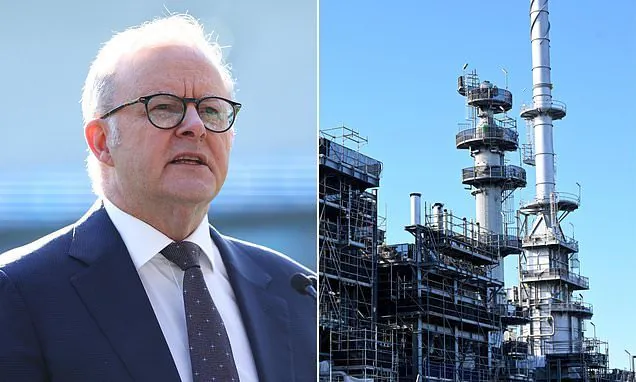

The decision to axe the Melbourne to Brisbane link raises concerns about the government’s commitment to investing in regional infrastructure and its ability to manage large-scale projects.
The Inland Rail project has a long and complex history, with both Labor and the Coalition committing to the project in 2013.
The Morrison government made an $8.4 billion off-budget investment in the government-owned Australian Rail Track Corporation (ARTC) to deliver the project in 2017.
However, the project has been plagued by cost blowouts and delays, with the estimated cost jumping from $10.7 billion to $31 billion in just three years.
Analysis: What This Means for Australia
The decision to axe the Melbourne to Brisbane link has significant implications for national security, economic growth, and the country’s ability to compete in the global market.
Australia’s freight network is critical to the country’s economic prosperity, and the Inland Rail project was seen as a key component of this network.
The decision to halt the project raises concerns about the government’s ability to manage large-scale infrastructure projects and its commitment to investing in regional infrastructure.
Security analysts say the decision will have significant implications for national security, as a reliable and efficient freight network is critical to the country’s ability to respond to emergencies and natural disasters.
“The decision to axe the Melbourne to Brisbane link will have significant implications for national security, as it will limit the country’s ability to respond to emergencies and natural disasters,” said one analyst.
Law enforcement insiders warn the decision will also have implications for the country’s ability to combat organized crime, as a reliable and efficient freight network is critical to the country’s ability to transport goods and people safely.
“The decision to axe the Melbourne to Brisbane link will make it easier for organized crime groups to transport illicit goods and people, which will have significant implications for public safety,” said one insider.
Industry observers believe the decision will also have significant implications for the country’s economic growth, as a reliable and efficient freight network is critical to the country’s ability to compete in the global market.
“The decision to axe the Melbourne to Brisbane link will limit the country’s ability to compete in the global market, as it will make it more difficult and expensive to transport goods and people,” said one observer.
The decision to axe the Melbourne to Brisbane link is a significant blow to regional communities who were relying on the project to boost economic growth and create jobs.
The government must now reconsider its investment in regional infrastructure and its ability to manage large-scale projects.