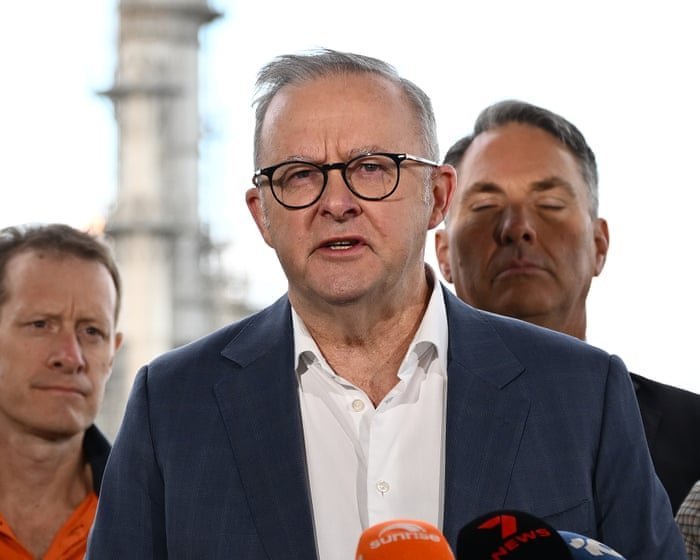
‘Fuel for Thought’: Albanese’s $10 Billion Plan to Boost Australia’s Energy Security, But Experts Warn of Looming Vulnerabilities
- Australia’s fuel reserves to lift to 50 days, but experts caution it’s still not enough to meet international obligations
- $10 billion package to include government-owned fuel reserve and fertiliser security facility, but domestic production remains a concern
- Supply chain expert David Leaney praises the investment, but warns of ongoing reliance on imported fuel and regional instability
- Queensland Premier backs $11 billion domestic drilling and refining project, but critics question whether it’s enough to secure Australia’s energy future
The Australian government’s $10 billion fuel security plan, set to be unveiled in next week’s federal budget, has been hailed as a major step forward in addressing the country’s long-running energy vulnerabilities.
But experts warn that the package, despite its impressive price tag, will not fully solve Australia’s fuel security woes.
At the heart of the plan is a government-owned fuel reserve of about one billion litres, which will be built using $3.2 billion of the allocated funds.
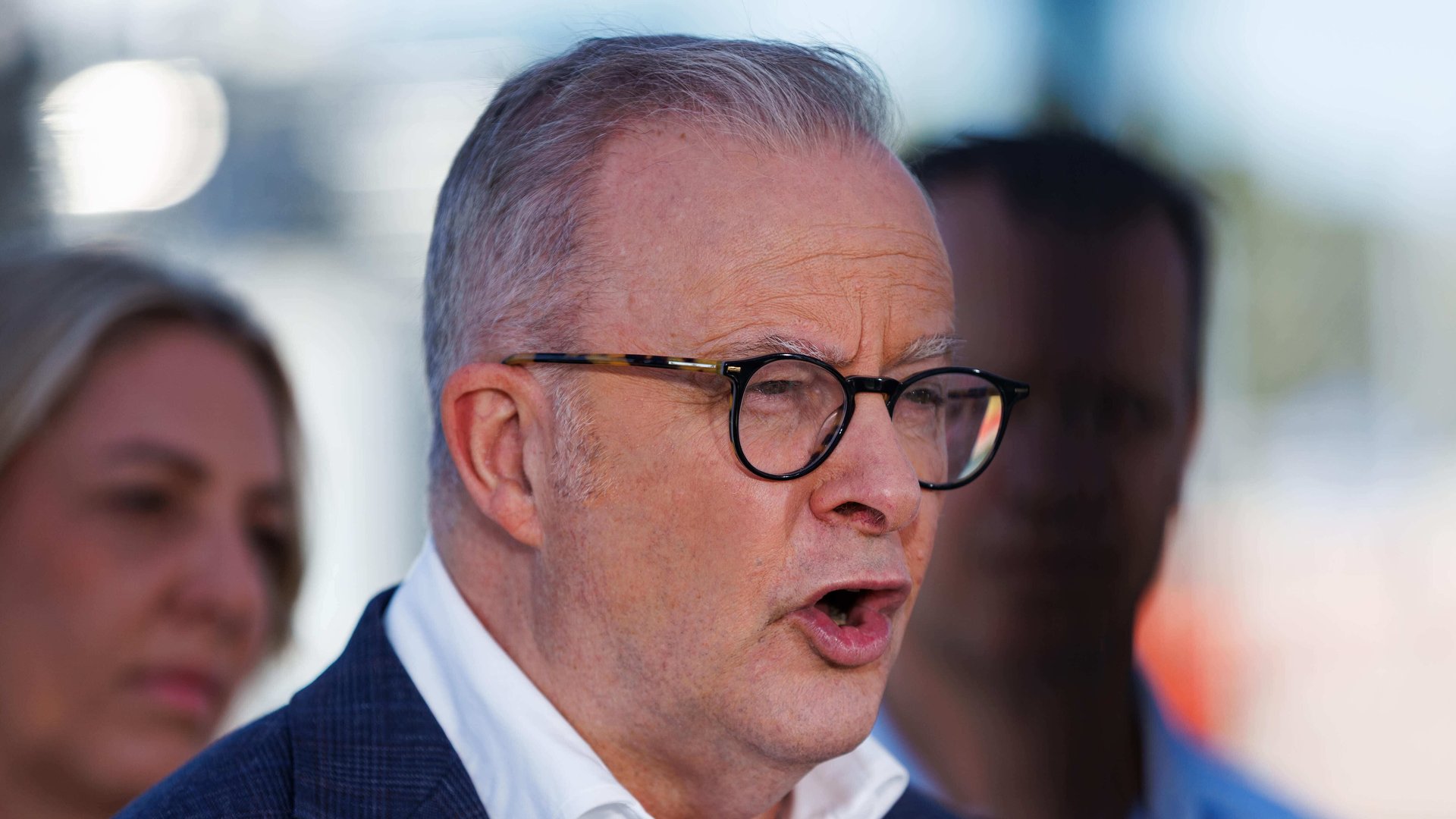
This reserve will focus on strengthening diesel and aviation fuel supplies, a move welcomed by supply chain expert David Leaney. “This is probably the biggest step that Australia’s had in fuel security for a very long time,” Leaney said.
However, he cautioned that the package would not meet Australia’s 90-day obligations under the International Energy Agency (IEA), and that the country still hasn’t replicated the necessary infrastructure across regional areas.

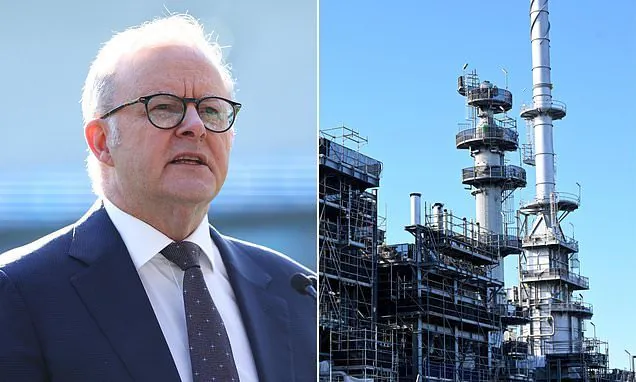

Australia’s reliance on imported fuel remains a pressing concern, despite repeated warnings about the risks posed by geopolitical conflict and disruptions to major shipping lanes. The Strait of Hormuz, a critical waterway for global oil shipments, has been a particular point of contention in recent years.
The government’s plan aims to increase domestic storage and supply capacity through a $7.5 billion fuel and fertiliser security facility, but critics argue that this is only half the solution.
Analysis: What This Means for AustraliaThe fuel security package has significant implications for Australia’s national security, law enforcement, and community impact.
With the country’s fuel reserves set to increase to 50 days, there are concerns that this will still not be enough to meet international obligations.
“We’re still not meeting our 90-day obligations under the IEA, and we still haven’t replicated all of that infrastructure right across Australia and the regional areas,” Leaney warned.
The plan also raises questions about Australia’s economic and social consequences, particularly in the event of a major fuel shortage. With the country’s reliance on imported fuel set to continue, maintaining strong relationships with regional partners will be critical to Australia’s fuel security strategy.
As Leaney pointed out, “We will always be dependent on fuel imports to a majority extent, even if we extended 90 days’ worth of supply in Australia, that still requires import.”
The government’s decision to invest in a government-owned fuel reserve and fertiliser security facility is a step in the right direction, but experts argue that it must be complemented by increased domestic production.
The proposed $11 billion domestic drilling and refining project in Gladstone, backed by Queensland Premier David Crisafulli, is seen as a positive move, but critics question whether it’s enough to secure Australia’s energy future.
Security analysts say that the fuel package is a welcome investment, but it must be part of a broader strategy to address Australia’s energy security vulnerabilities.
“These are really important complementary investments,” Leaney said.
“There’s no point in just having storage if you’re not getting supply, and there’s certainly no point in just having supply if you don’t have the storage.”
As the government prepares to unveil its fuel security plan, experts are warning that it’s only the beginning of a long journey to secure Australia’s energy future.
With the country’s reliance on imported fuel set to continue, and regional instability on the rise, it’s clear that there’s still much work to be done to ensure Australia’s fuel security.
The Australian government’s $10 billion fuel security plan, set to be unveiled in next week’s federal budget, has been hailed as a major step forward in addressing the country’s long-running energy vulnerabilities. But experts warn that the package, despite its impressive price tag, will not fully solve Australia’s fuel security woes.
At the heart of the plan is a government-owned fuel reserve of about one billion litres, which will be built using $3.2 billion of the allocated funds. This reserve will focus on strengthening diesel and aviation fuel supplies, a move welcomed by supply chain expert David Leaney. “This is probably the biggest step that Australia’s had in fuel security for a very long time,” Leaney said. However, he cautioned that the package would not meet Australia’s 90-day obligations under the International Energy Agency (IEA), and that the country still hasn’t replicated the necessary infrastructure across regional areas.
Australia’s reliance on imported fuel remains a pressing concern, despite repeated warnings about the risks posed by geopolitical conflict and disruptions to major shipping lanes. The Strait of Hormuz, a critical waterway for global oil shipments, has been a particular point of contention in recent years. The government’s plan aims to increase domestic storage and supply capacity through a $7.5 billion fuel and fertiliser security facility, but critics argue that this is only half the solution.
The fuel security package has significant implications for Australia’s national security, law enforcement, and community impact. With the country’s fuel reserves set to increase to 50 days, there are concerns that this will still not be enough to meet international obligations. “We’re still not meeting our 90-day obligations under the IEA, and we still haven’t replicated all of that infrastructure right across Australia and the regional areas,” Leaney warned.
The plan also raises questions about Australia’s economic and social consequences, particularly in the event of a major fuel shortage. With the country’s reliance on imported fuel set to continue, maintaining strong relationships with regional partners will be critical to Australia’s fuel security strategy. As Leaney pointed out, “We will always be dependent on fuel imports to a majority extent, even if we extended 90 days’ worth of supply in Australia, that still requires import.”
The government’s decision to invest in a government-owned fuel reserve and fertiliser security facility is a step in the right direction, but experts argue that it must be complemented by increased domestic production. The proposed $11 billion domestic drilling and refining project in Gladstone, backed by Queensland Premier David Crisafulli, is seen as a positive move, but critics question whether it’s enough to secure Australia’s energy future.
Security analysts say that the fuel package is a welcome investment, but it must be part of a broader strategy to address Australia’s energy security vulnerabilities. “These are really important complementary investments,” Leaney said. “There’s no point in just having storage if you’re not getting supply, and there’s certainly no point in just having supply if you don’t have the storage.”
As the government prepares to unveil its fuel security plan, experts are warning that it’s only the beginning of a long journey to secure Australia’s energy future. With the country’s reliance on imported fuel set to continue, and regional instability on the rise, it’s clear that there’s still much work to be done to ensure Australia’s fuel security.