Australia’s Scorched Future: 6,000 Heatwave Deaths Predicted by 2100 as Climate Change Takes Hold
- A new study warns of a 24-fold increase in heatwave-related deaths by 2100, with the Northern Territory and Queensland bearing the brunt.
- Indigenous communities and rural areas will be disproportionately affected, with inadequate access to cooling and medical resources.
- Experts are calling for urgent action to mitigate the effects of climate change and protect the nation’s most vulnerable citizens.
- The alarming projections come as Australia grapples with the consequences of rising temperatures and extreme weather events.
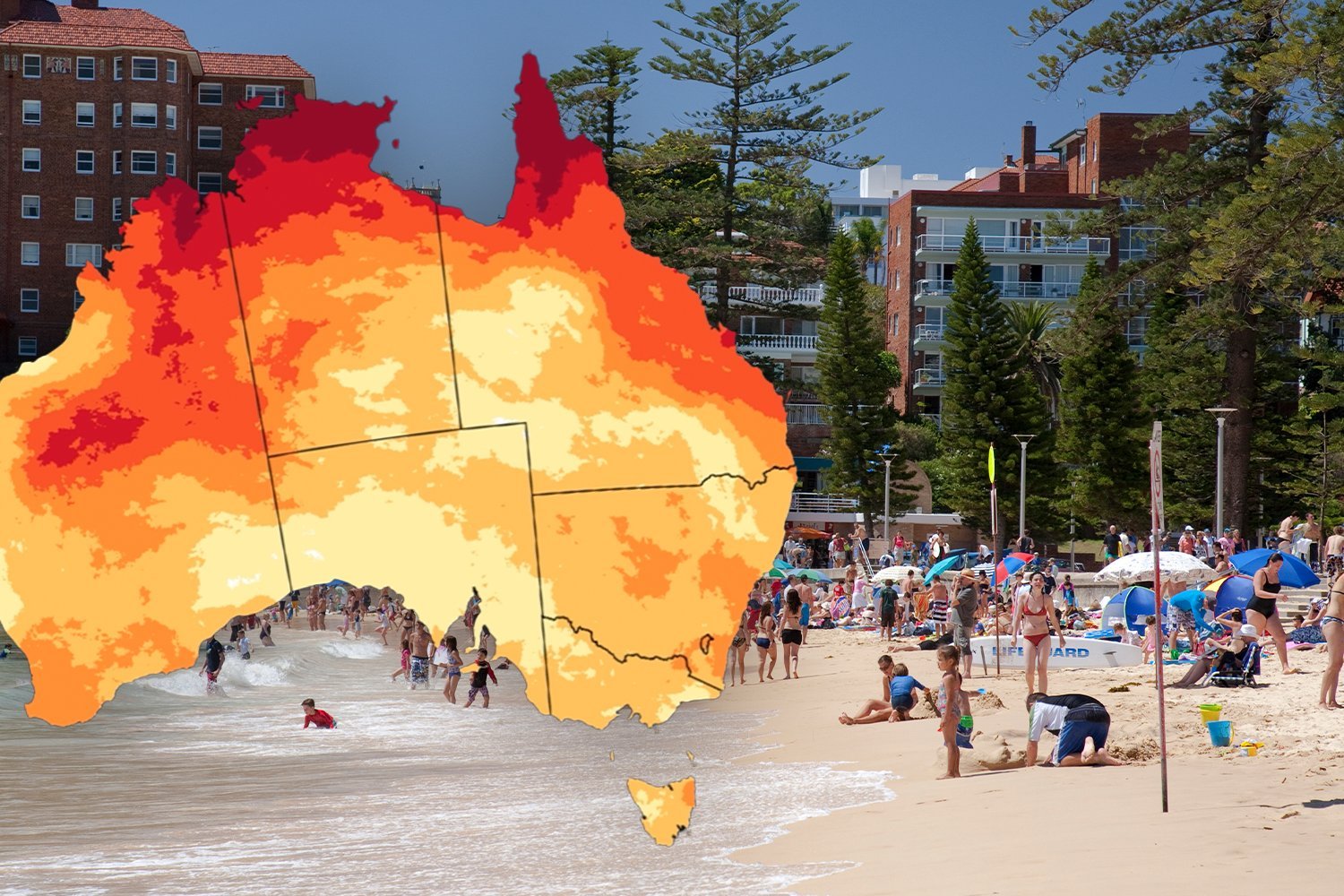
Australia’s climate future looks increasingly dire, with a new study predicting that heatwaves will claim the lives of almost 6,000 people every year by 2100.
This staggering figure represents a 24-fold increase from the current rate, and experts are warning that the nation’s most vulnerable citizens will bear the heaviest burden.
The study, led by Monash University researchers and published in The Lancet Planetary Health, analyzed climate data from over 2,200 communities across Australia to map out the geographic burden of rising temperatures.
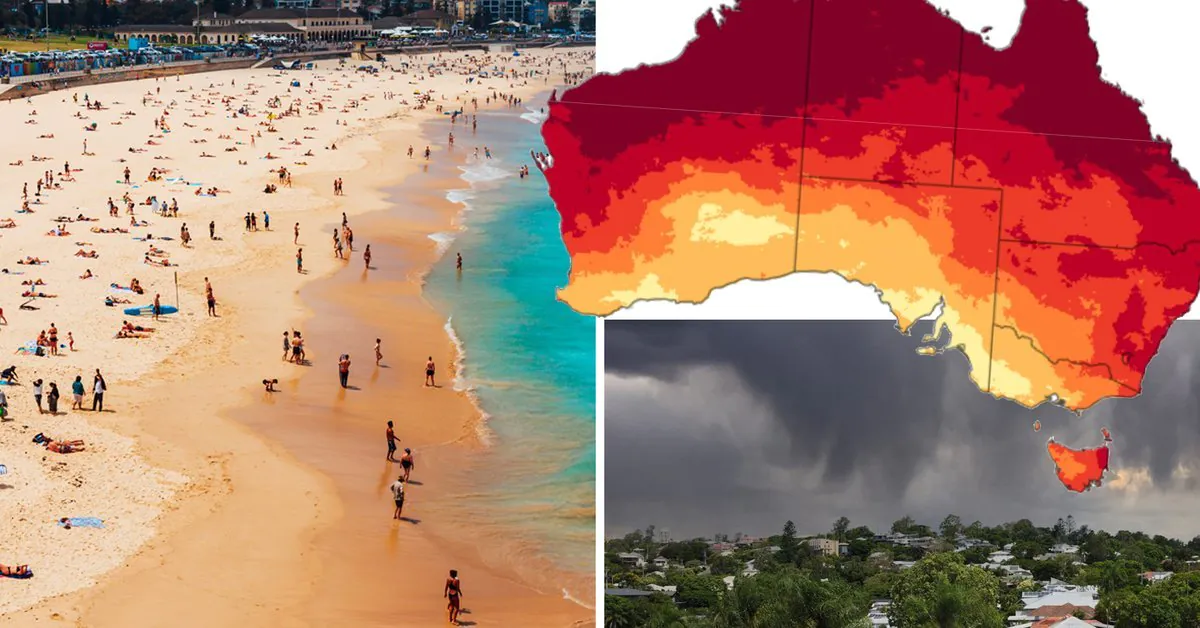
The findings paint a grim picture, with the Northern Territory and Queensland expected to suffer the highest annual excess mortality rates due to heatwaves.
By the decade 2090-99, the Northern Territory will face the highest annual excess mortality rate at 33.9 deaths per 100,000 population, followed by Queensland with 18.4 deaths, and New South Wales with 12.8 deaths per 100,000 residents.
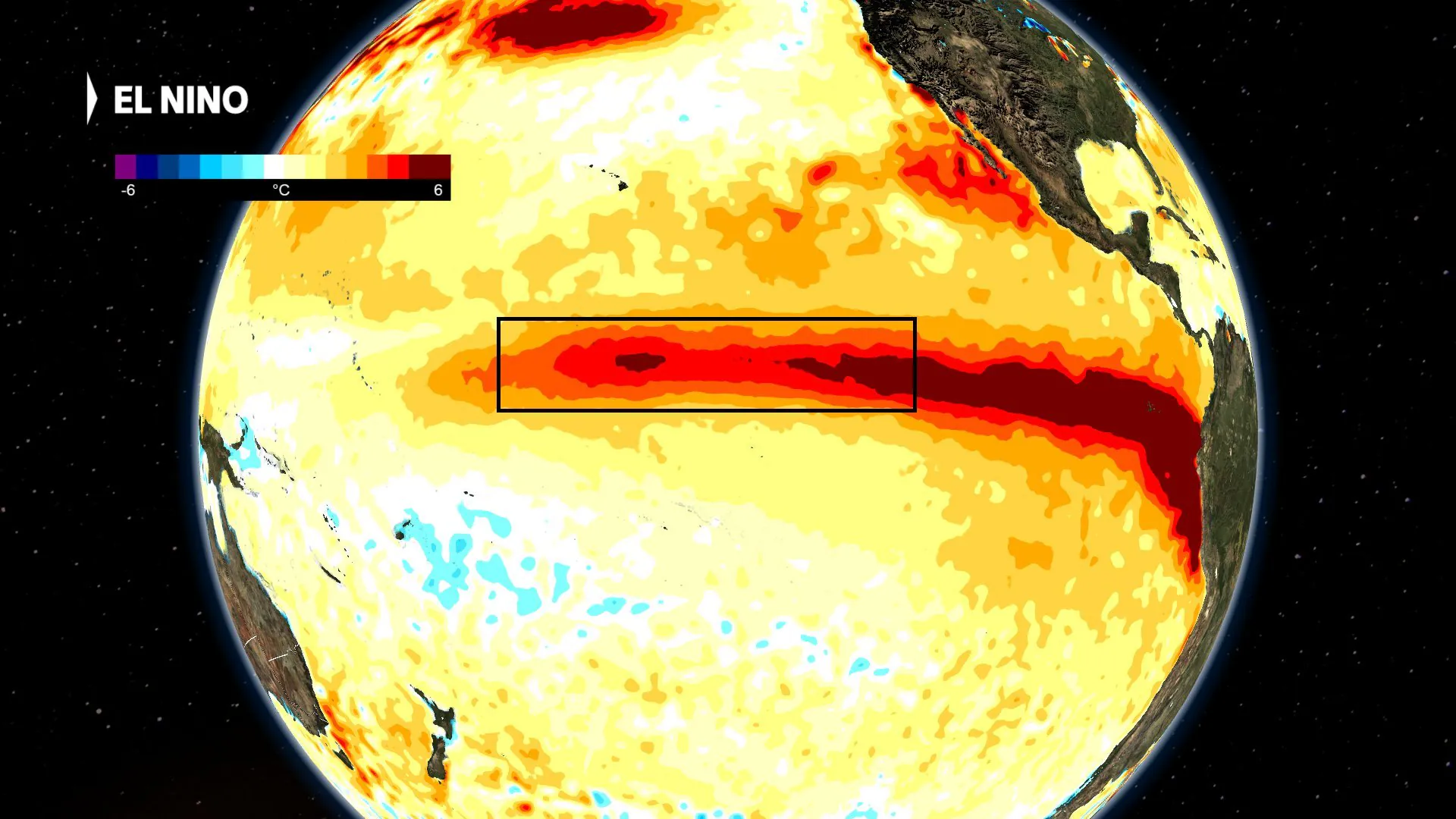


So, what’s driving this alarming increase in heatwave-related deaths? Experts point to the rapid warming of the continent, which is expected to push the annual mortality rate from extreme heat to unprecedented levels.
Heatwaves, defined as prolonged periods of excessively hot weather, are known to cause a sharp rise in illnesses and deaths related to cardiovascular, respiratory, and renal conditions.
The study highlights that the most vulnerable Australians, including Indigenous communities and those living in rural areas, will be disproportionately affected. These regions often have inadequate access to cooling and medical resources, making them more susceptible to the devastating effects of heatwaves.
Analysis: What This Means for Australia
The projected increase in heatwave-related deaths has significant implications for Australia’s national security, public health, and economic stability.
As the nation grapples with the consequences of climate change, experts are calling for urgent action to mitigate the effects of rising temperatures and protect the nation’s most vulnerable citizens.
Security analysts say that the projected increase in heatwave-related deaths will put a significant strain on the nation’s healthcare system, particularly in rural and remote areas.
Law enforcement insiders warn that the consequences of climate change will also have a profound impact on public safety, with increased risk of heat-related illnesses and deaths.
Industry observers believe that the study’s findings will have significant economic implications, with the nation’s agricultural and tourism sectors likely to be hit hard by the effects of climate change.
The study’s projections also raise questions about the nation’s preparedness for extreme weather events and the need for coordinated action to address climate-related health inequities.
As the nation grapples with the consequences of climate change, experts are urging policymakers to take immediate action to mitigate the effects of rising temperatures and protect the nation’s most vulnerable citizens.
This includes investing in climate-resilient infrastructure, improving access to cooling and medical resources, and implementing locally tailored adaptation strategies to address climate-related health inequities.
Only through coordinated action can Australia hope to reduce the devastating impact of heatwaves and create a safer, more sustainable future for all its citizens.