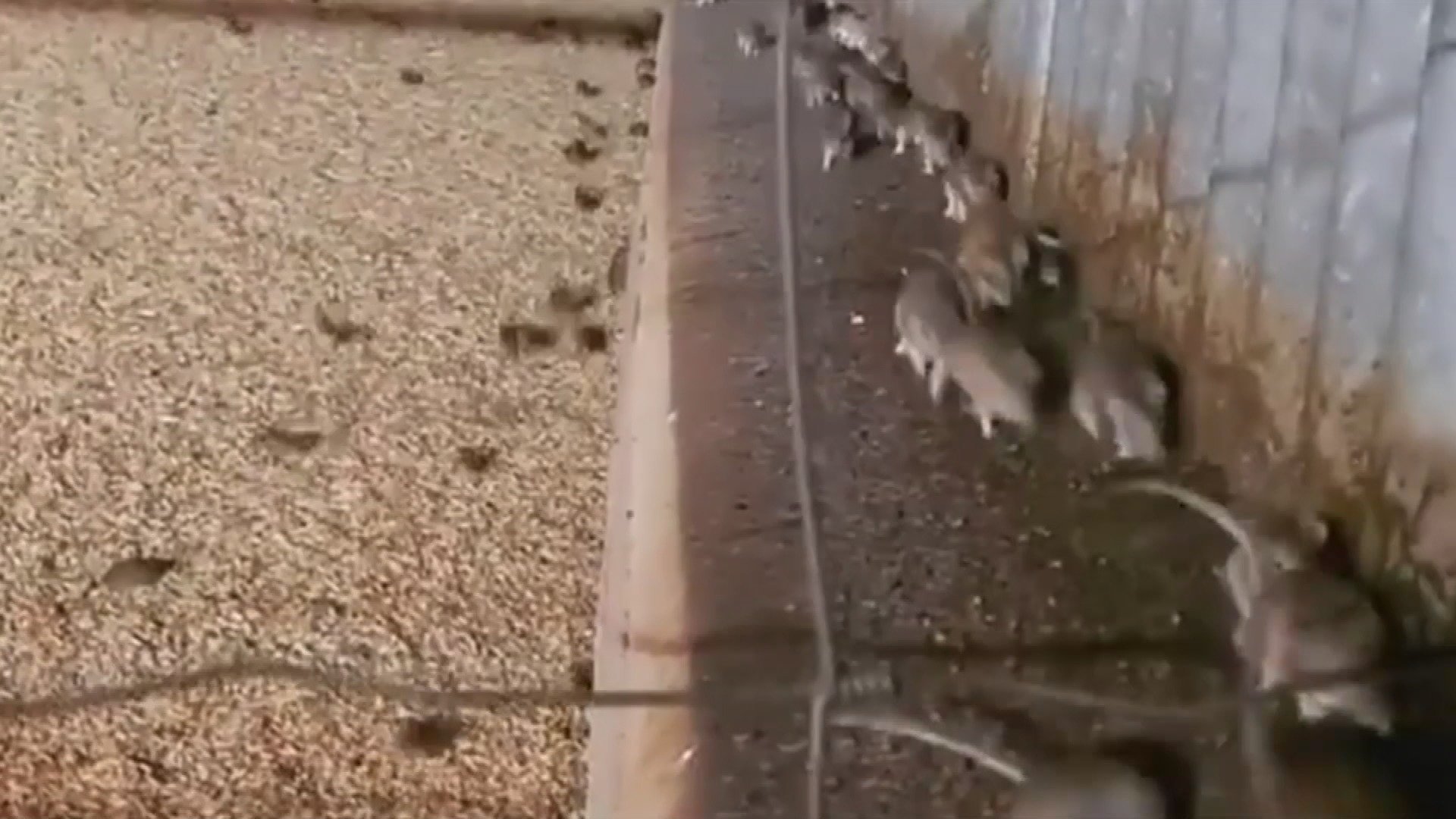
Morawa on Brink of Collapse: ‘Worst Mouse Plague in History’ Threatens to Overwhelm Regional WA Town
- Rodents infest homes, businesses, and paddocks, sparking health concerns and pleas for government intervention
- Community leaders warn of escalating health risks as hundreds of dead mice litter the streets
- Farmers struggling to cope with crop damage, with some reporting losses of up to $20,000
- Grains industry calls for emergency permit to access stronger mouse baits to combat the plague
The remote Western Australian town of Morawa is on the brink of collapse as a severe mouse plague threatens to overwhelm its residents, businesses, and infrastructure.
As the rodents infest homes, businesses, and paddocks, community leaders are warning of escalating health risks and pleading for urgent government support.
At the epicenter of the crisis is Karen Chappel, the president of the Morawa shire, who has described the situation as “gravely concerning.” Chappel, who also has a family farm near Morawa, says residents are practicing good hygiene and doing their best to remove mice through baiting and trapping, but it’s proving impossible.
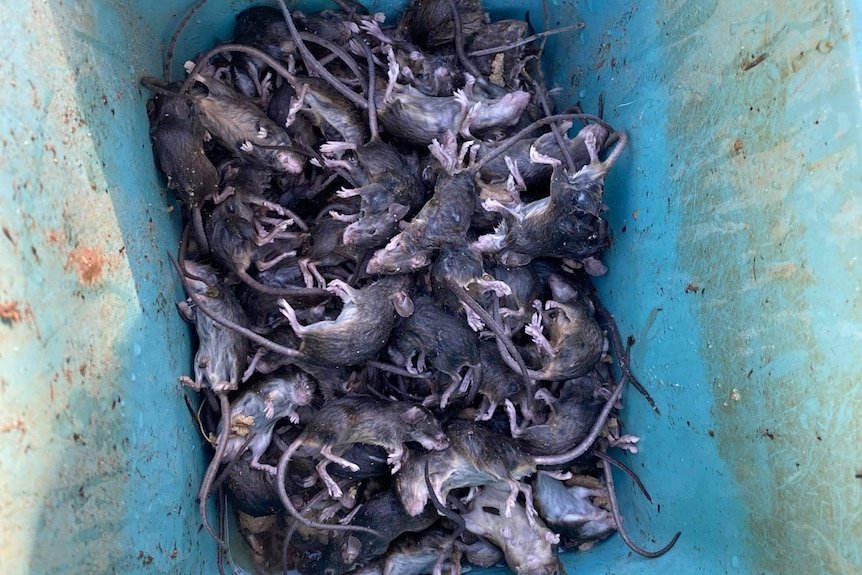
“We have mice in our homes, we have mice in our cars; they’re in our sheds, they’re in our paddocks, they’re at the school, they’re everywhere,” she said.
The town’s main street is littered with dead and dying mice, with houses and businesses reeking of decaying and nesting rodents.



Locals have endured months of an endless tide of mice flowing into town, with some residents reporting mice biting their toes and nesting in their beds.
Chappel fears the situation will only worsen, with the potential for viruses to spread through the hundreds of rotting mice carcasses.
The grains industry is also feeling the pinch, with farmers struggling to cope with crop damage. Robert Mitchell, a local farmer, has seeded paddocks only to return 10 days later to find the mice have dug up the seed.
Crops that have germinated are being chewed off, meaning some areas within paddocks will need to be re-seeded. The cost of baiting and re-seeding is a significant additional expense for farmers, who are already struggling with record fuel and fertilizer prices.
The situation has prompted the grains industry to lobby the national chemical regulator, the Australian Pesticides and Veterinary Medicines Authority (APVMA), to approve an emergency permit application for a double-strength zinc phosphide mouse bait.
The APVMA has confirmed it is assessing the application, but says it must be satisfied that the proposed use is safe for people, the environment, and trade.
Analysis: What This Means for Australia
The mouse plague in Morawa has significant national security implications for Australia. The infestation has the potential to devastate the country’s agricultural industry, which is already struggling with the impacts of drought, bushfires, and COVID-19.
The plague also raises concerns about the country’s biosecurity and its ability to respond to emergency situations.
Law enforcement and emergency services are also under pressure to respond to the crisis, with resources stretched to the limit.
The situation highlights the need for greater investment in rural and remote communities, where services are often limited and residents are more vulnerable to natural disasters and pest infestations.
Experts warn that the plague could have long-term consequences for the environment and human health. “The situation in Morawa is a wake-up call for Australia,” said one security analyst.
“We need to take a more proactive approach to biosecurity and emergency management to prevent similar crises in the future.”
As the situation in Morawa continues to deteriorate, residents are holding out hope that the government will provide urgent support to help them combat the plague.
“We need help, and we need it now,” said Chappel. “We can’t keep living like this.”