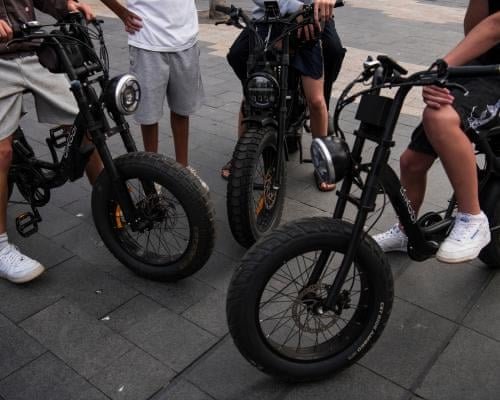
Queensland’s E-Mobility Crackdown: Proposed Laws Spark Fears of ‘Impractical and Silly’ Restrictions on E-Bikes and Scooters
- Controversial 10km/h speed limit proposal for e-bikes and e-scooters on footpaths has been watered down, but concerns remain over rider licence requirements
- Riders took to Brisbane’s Story Bridge to protest the proposed laws, which they claim will turn 10-minute commutes into 40-minute journeys
- Committee recommends amendments to exempt people with disabilities from licence requirements, but cycling advocates say the laws still pose significant barriers to independence
- Proposed laws would make e-bikes and e-scooters illegal for people who are not medically fit to drive, sparking concerns over public health and safety
The Queensland state development, infrastructure and works committee has released its report on the proposed e-mobility laws, recommending significant changes to the contentious speed limits and licence requirements.
The committee’s report comes after an inquiry into e-mobility safety in Queensland, which received over 3,000 submissions from concerned citizens and advocacy groups.
At the heart of the controversy is the proposed 10km/h speed limit on footpaths, which has been met with fierce opposition from e-bike riders and cycling advocates.
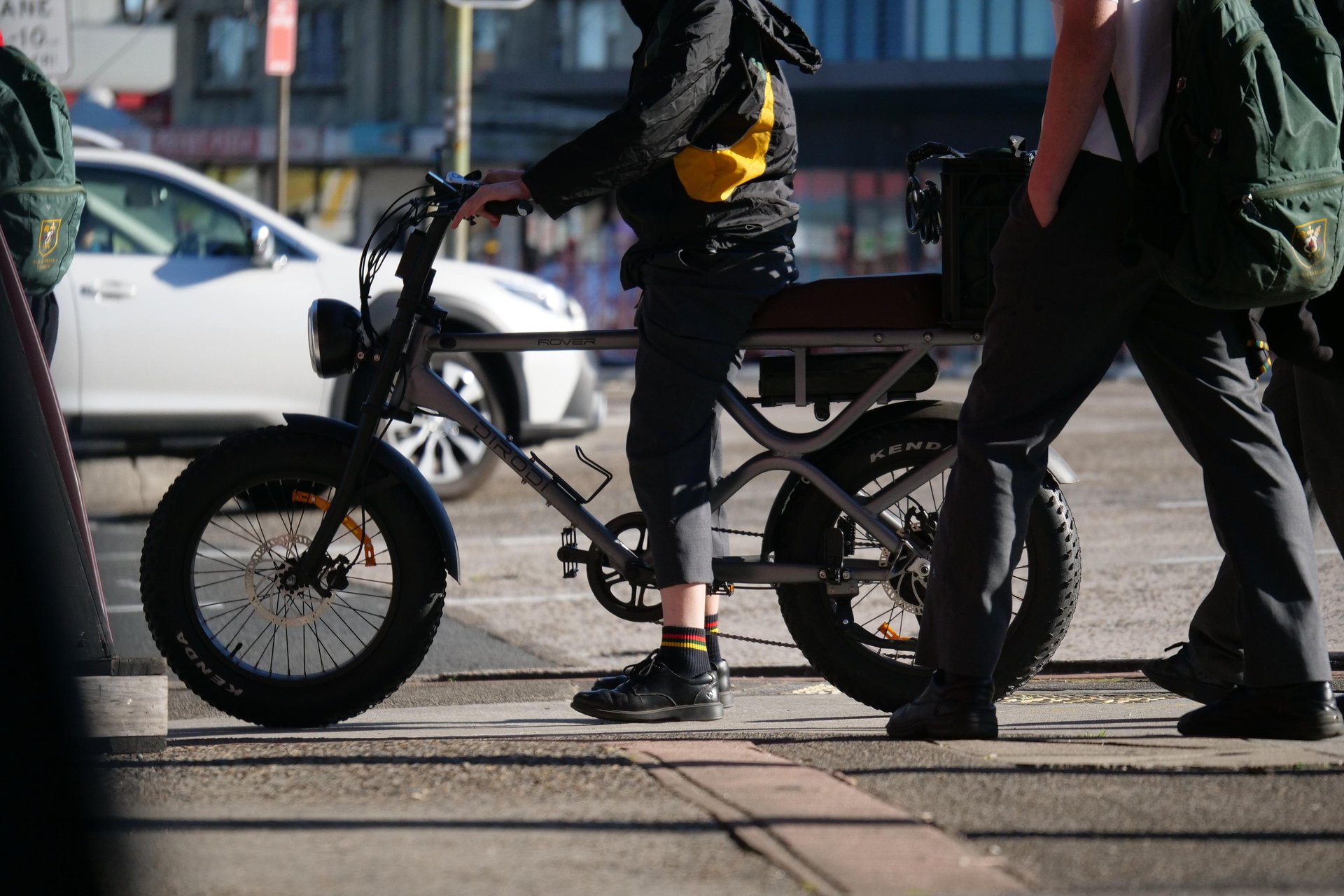
While the committee has recommended that the speed limit only apply in high pedestrian zones, many argue that this will still have a significant impact on commute times.
“It’s going to turn a 10-minute commute into a 40-minute commute for most people,” said Kathryn Good, organiser of a protest ride on Brisbane’s Story Bridge.



The committee’s report also recommends that all riders hold at least a learner’s licence, sparking concerns over accessibility and independence for people with disabilities.
“The bill in its current form creates significant barriers to safe use of e-bikes and e-scooters for people with disability – impacting their ability to independently access the community, the outdoors and spend time with family and friends,” said the Queensland Advocacy for Inclusion in its submission.
However, the committee has recommended that people who cannot hold a driver’s licence due to a disability, medical condition, or age, but are still able to safely ride, be exempt from the licence requirement.
This amendment has been welcomed by cycling advocates, who argue that e-mobility devices are essential for people with disabilities to maintain their independence.
**Analysis: What This Means for Australia**
The proposed e-mobility laws in Queensland have significant implications for public health and safety, as well as the state’s transport infrastructure.
While the committee’s report has addressed some of the concerns raised by advocacy groups, many argue that the laws still pose unnecessary barriers to independence and mobility.
Security analysts say that the laws could have unintended consequences, such as pushing e-bike riders onto roads where they may be at greater risk of accidents.
“The proposed laws could lead to a situation where e-bike riders are forced to choose between breaking the law or putting themselves at risk of injury,” said one analyst.
Law enforcement insiders warn that the laws will be difficult to enforce, particularly in rural areas where e-bikes are often used as a primary mode of transport.
“The laws will require significant resources to enforce, which could divert attention away from more pressing law enforcement priorities,” said one insider. Industry observers believe that the laws could have a negative impact on the e-mobility industry, which is still in its early stages of development.
“The laws could stifle innovation and investment in the e-mobility sector, which could have long-term consequences for Australia’s transport infrastructure,” said one observer. Ultimately, the proposed e-mobility laws in Queensland highlight the need for a more nuanced approach to regulating emerging technologies.
As the committee’s report notes, the laws must balance the need for public safety with the need for independence and mobility.
The Queensland state development, infrastructure and works committee has released its report on the proposed e-mobility laws, recommending significant changes to the contentious speed limits and licence requirements. The committee’s report comes after an inquiry into e-mobility safety in Queensland, which received over 3,000 submissions from concerned citizens and advocacy groups.
At the heart of the controversy is the proposed 10km/h speed limit on footpaths, which has been met with fierce opposition from e-bike riders and cycling advocates. While the committee has recommended that the speed limit only apply in high pedestrian zones, many argue that this will still have a significant impact on commute times. “It’s going to turn a 10-minute commute into a 40-minute commute for most people,” said Kathryn Good, organiser of a protest ride on Brisbane’s Story Bridge.
The committee’s report also recommends that all riders hold at least a learner’s licence, sparking concerns over accessibility and independence for people with disabilities. “The bill in its current form creates significant barriers to safe use of e-bikes and e-scooters for people with disability – impacting their ability to independently access the community, the outdoors and spend time with family and friends,” said the Queensland Advocacy for Inclusion in its submission.
However, the committee has recommended that people who cannot hold a driver’s licence due to a disability, medical condition, or age, but are still able to safely ride, be exempt from the licence requirement. This amendment has been welcomed by cycling advocates, who argue that e-mobility devices are essential for people with disabilities to maintain their independence.
**Analysis: What This Means for Australia**
The proposed e-mobility laws in Queensland have significant implications for public health and safety, as well as the state’s transport infrastructure. While the committee’s report has addressed some of the concerns raised by advocacy groups, many argue that the laws still pose unnecessary barriers to independence and mobility.
Security analysts say that the laws could have unintended consequences, such as pushing e-bike riders onto roads where they may be at greater risk of accidents. “The proposed laws could lead to a situation where e-bike riders are forced to choose between breaking the law or putting themselves at risk of injury,” said one analyst.
Law enforcement insiders warn that the laws will be difficult to enforce, particularly in rural areas where e-bikes are often used as a primary mode of transport. “The laws will require significant resources to enforce, which could divert attention away from more pressing law enforcement priorities,” said one insider.
Industry observers believe that the laws could have a negative impact on the e-mobility industry, which is still in its early stages of development. “The laws could stifle innovation and investment in the e-mobility sector, which could have long-term consequences for Australia’s transport infrastructure,” said one observer.
Ultimately, the proposed e-mobility laws in Queensland highlight the need for a more nuanced approach to regulating emerging technologies. As the committee’s report notes, the laws must balance the need for public safety with the need for independence and mobility.