
Fatal E-Bike Crash Reignites Calls for Action as Australia’s E-Rideable Laws Come Under Fire
- A 37-year-old man has died after his electric bicycle collided with a bus in Western Australia, sparking renewed calls for improved e-rideable safety laws
- The tragedy comes just months after a parliamentary inquiry made 33 recommendations to make e-rideables safer, but critics say the state government’s response has been too slow
- The incident highlights the growing concern over e-rideable safety in Australia, with many calling for tougher penalties for reckless riders and better infrastructure to separate e-rideables from pedestrians and cars
- As Australia grapples with the rise of e-rideables, experts warn that inaction could lead to more devastating consequences on the nation’s roads
The devastating crash that claimed the life of a 37-year-old man in Western Australia has sent shockwaves through the community and reignited calls for urgent action on e-rideable safety laws.
The man was riding an electric bicycle when it collided with a bus in Parmelia on Thursday afternoon, leaving him with fatal injuries.
The incident has sparked widespread outrage and concern, with many demanding that the state government take immediate action to address the growing e-rideable safety crisis.
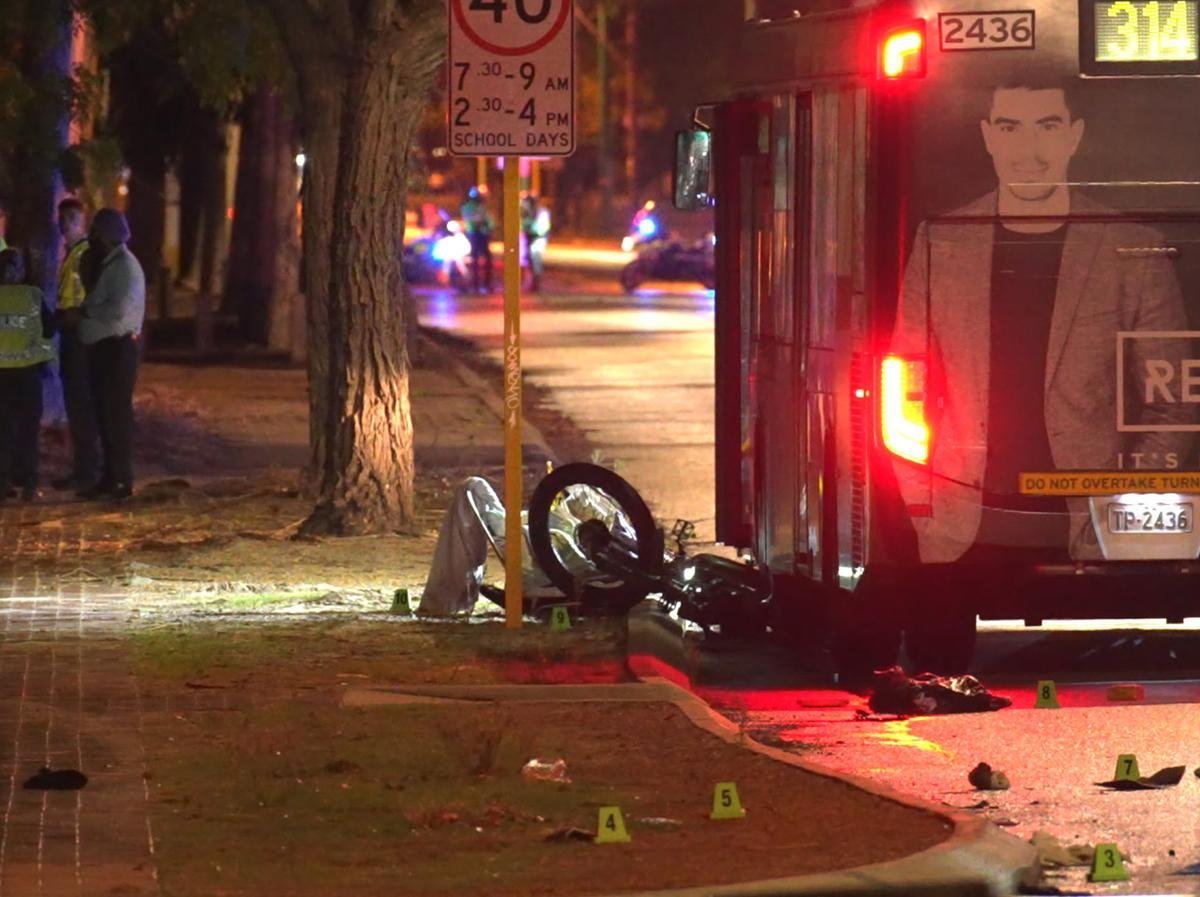
According to eyewitnesses, the black e-bike and orange bus collided near a roundabout at the intersection of Parmelia Avenue and Tunnicliffe Street at around 3:30 pm.
The rider of the e-bike was rushed to Rockingham General Hospital but tragically succumbed to his injuries. The driver of the bus, a 59-year-old woman, and her passengers were miraculously unharmed.



The incident is a stark reminder of the risks associated with e-rideables, which have become increasingly popular in Australia in recent years.
The parliamentary inquiry into WA’s e-rideable laws, triggered by the deaths of two people in separate incidents last year, made 33 recommendations to improve safety.
However, critics argue that the state government’s response has been too slow, and that the lack of action has put more lives at risk.
The inquiry’s recommendations included harsher penalties for riders committing offences, a crackdown on modifications to e-rideables, and better infrastructure to separate e-rideables from pedestrians and cars.
However, in March, it was revealed that the recommendations would not result in immediate change, with the state government instead writing to the federal government asking it to take action first.
The state government has since banned children under 16 from riding and storing e-rideables at all WA public schools, but many argue that this does not go far enough.
Analysis: What This Means for Australia
The growing e-rideable safety crisis in Australia has significant implications for national security, law enforcement, and community safety. As e-rideables become increasingly popular, the risk of accidents and incidents increases, putting more lives at risk.
The lack of effective safety laws and regulations has created a Wild West scenario, where riders are often left to their own devices, with devastating consequences.
Security analysts say that the rise of e-rideables has created a new challenge for law enforcement agencies, which must balance the need to promote safe riding practices with the need to enforce laws and regulations.
The lack of clear guidelines and regulations has created confusion and inconsistency, making it difficult for police to effectively manage the issue.
Law enforcement insiders warn that the failure to address the e-rideable safety crisis could lead to more devastating consequences on the nation’s roads.
“We’re seeing a growing trend of e-rideable-related accidents and incidents, and it’s only a matter of time before we see more fatalities,” said one insider.
“The state government needs to take immediate action to address this crisis and ensure that e-rideables are safe for all road users.”
Industry observers believe that the e-rideable safety crisis is a wake-up call for the state government to take action.
“The government needs to take a proactive approach to regulating e-rideables and ensuring that riders are aware of the risks and responsibilities associated with riding these devices,” said one expert.
“This includes investing in education and awareness campaigns, as well as implementing effective safety measures, such as dedicated e-rideable lanes and improved infrastructure.”