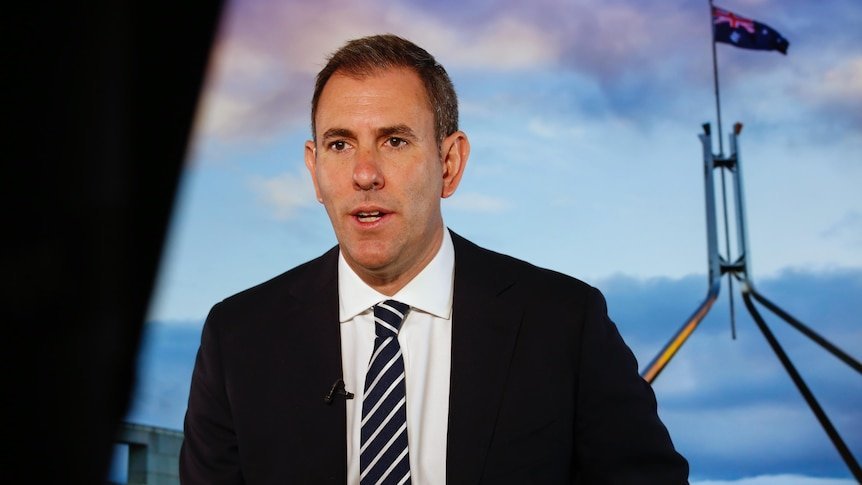
Chalmers’ Crunch Time: Treasurer’s Budget Gamble on Housing and Tax Reform Set to Spark Firestorm
- Treasurer Jim Chalmers’ budget to unveil changes to negative gearing and capital gains tax, breaking Labor’s election promise
- Government to inject $2 billion into infrastructure for housing developments, aiming to unlock 65,000 new homes
- PRRT revenue to get a boost, but no windfall tax on gas giants as government prioritises fuel supply and gas reservation
- Opposition and experts warn of “political risk” and potential backlash from disaffected voters
The stage is set for Treasurer Jim Chalmers to take a bold gamble on Tuesday, as he prepares to deliver a budget that will overhaul the nation’s housing market and tax system.
In a move that’s expected to spark a firestorm, Chalmers will reveal changes to negative gearing and the 50 per cent capital gains tax discount, breaking a key election promise.
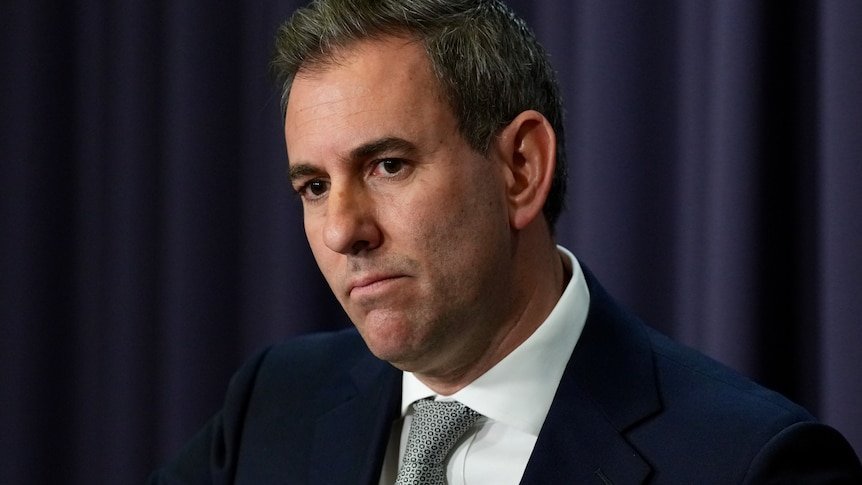
The Treasurer has acknowledged the “political risk” involved, but insists the status quo is “broken” and that drastic action is needed to address the nation’s housing crisis.
At the heart of the budget is a $2 billion injection into infrastructure for housing developments, which the government claims will unlock 65,000 new homes over the next decade.
However, Labor is still behind on its target of building 1.2 million homes by 2029, and critics are questioning whether the latest measures will be enough to make a meaningful difference.




The budget will also make the $20,000 instant asset write-off for small businesses permanent, in a bid to stimulate economic growth.
One of the most contentious issues is the government’s decision not to introduce a windfall tax on gas giants, despite growing community pressure and a Senate committee urging a rethink.
Instead, the PRRT will raise more revenue than previously forecast, but critics argue this doesn’t go far enough.
One Nation leader Pauline Hanson has proposed an equity scheme, where the federal government would take an ownership stake in multi-billion-dollar projects, and funnel the revenue raised into a sovereign fund.
Chalmers has defended the government’s approach, pointing to its new east coast reservation policy and the PRRT changes made in its first term. However, experts warn that the budget’s focus on supply-side economics may not address the underlying issues driving the housing crisis.
“The government is trying to fix the symptoms rather than the cause,” says one analyst. “It’s a Band-Aid solution that may not provide long-term relief for struggling homebuyers.”
Analysis: What This Means for Australia
The budget’s impact on the nation’s housing market and tax system will be significant, but it’s the broader implications that are causing concern.
With the government’s popularity already on shaky ground, the decision to break an election promise on negative gearing and capital gains tax may spark a backlash from disaffected voters.
As One Nation’s win in the Farrer by-election shows, voters are increasingly looking for alternatives to the major parties.
Security analysts say the government’s focus on fuel supply and gas reservation may be a pragmatic decision, but it also raises questions about the nation’s energy security.
“Australia’s reliance on imported fuel is a vulnerability that needs to be addressed,” says one expert.
“The government’s decision not to introduce a windfall tax on gas giants may be seen as a missed opportunity to reduce this reliance and generate much-needed revenue.”
As the budget’s details are revealed, one thing is clear: Chalmers’ gamble will have far-reaching consequences for the nation’s economy, housing market, and politics. Will it pay off, or will it prove to be a costly mistake?
Only time will tell.