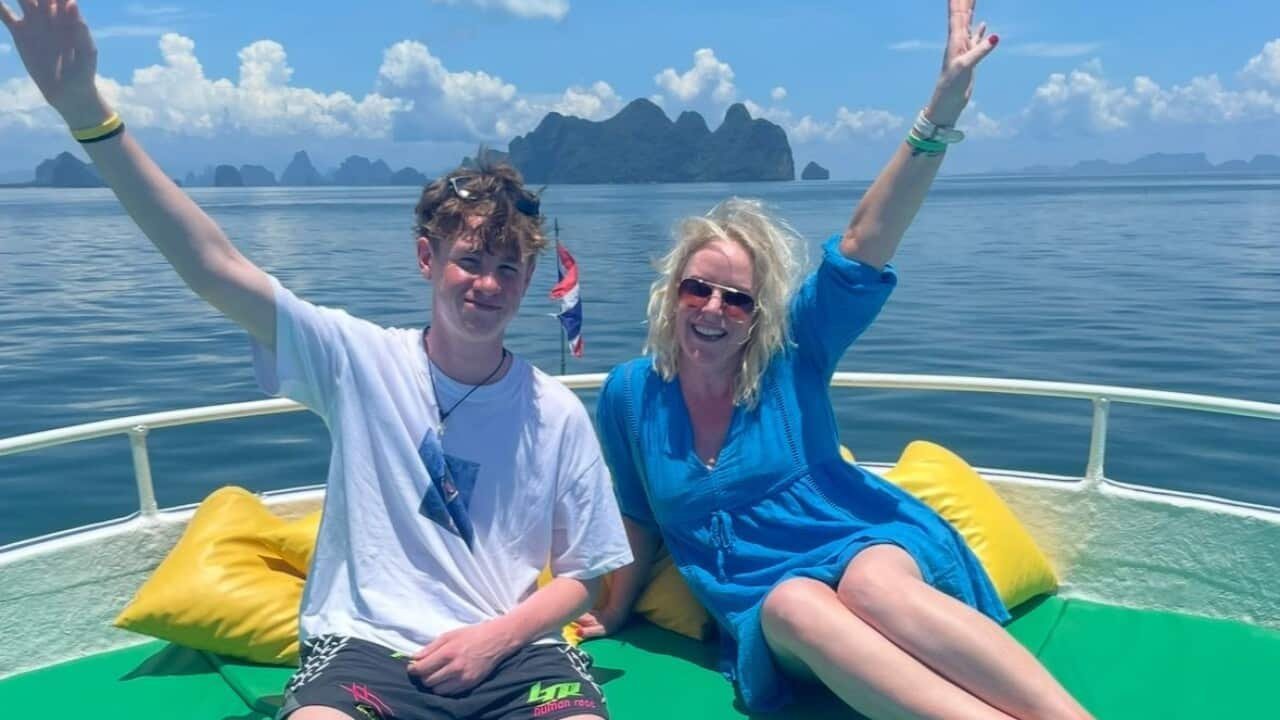
Victorian Teens to Get Free Meningococcal B Vaccine After Heartbroken Mother’s Crusade for Change
- Year 10 students in Victoria will have access to free meningococcal B vaccinations from January 10 next year under a $9 million government program.
- The vaccine, which can cost hundreds of dollars privately, provides vital protection against the deadly bacterial infection that can cause serious injury and death within 24 to 36 hours.
- A Melbourne mother, Norliah Syer-Peterson, who lost her son to meningococcal B last year, has been instrumental in triggering the change after delivering a petition with over 41,000 signatures to parliament.
- Experts are now calling for the program to be expanded to include infants, who are also at risk of the disease.
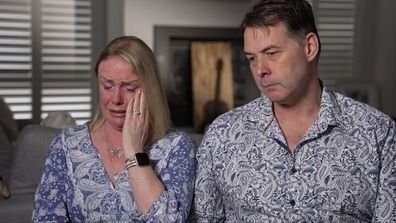
The devastating reality of meningococcal B hit home for Norliah Syer-Peterson when her son, Levi, died suddenly last year after falling ill with the disease.
The rapid onset of symptoms and the brutality of the infection left her shattered, but it also sparked a mission to educate parents about vaccination and push for meningococcal B vaccine funding.
Her tireless advocacy, including delivering a petition with over 41,000 signatures to parliament, has finally paid off.
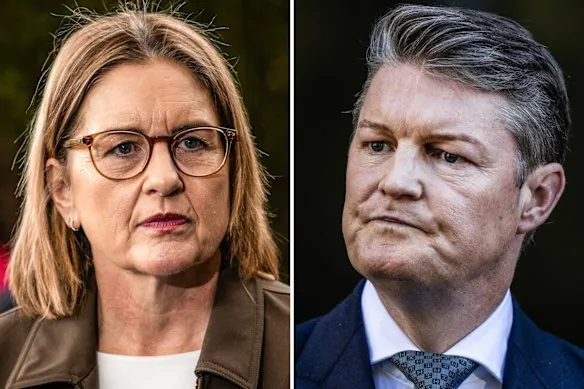
The Victorian government has announced that Year 10 students will have access to free meningococcal B vaccinations from January 10 next year under a $9 million program.
The vaccine, which can cost hundreds of dollars privately, provides vital protection against the deadly bacterial infection that can cause serious injury and death within 24 to 36 hours.

While the program is a significant step forward, experts are now calling for it to be expanded to include infants, who are also at risk of the disease.
Meningococcal B is a contagious bacterial infection that can cause meningitis and septicemia.
According to the Australian Institute of Health and Welfare, up to one in 10 patients with meningococcal disease will die, and up to one in five surviving patients will suffer from long-term health problems.
The disease is particularly deadly, with symptoms progressing rapidly, often within 24 to 36 hours. In Victoria, four cases of meningococcal disease have been reported this year, with 18 cases reported in the past 12 months.
The $9 million program will add the B strain to the existing meningococcal A, C, W, and Y vaccines available for free under the National Immunisation Program (NIP).
RACGP Victoria chair Anita Muñoz welcomed the announcement, saying the vaccine provided vital protection for teenagers who were particularly at risk. “I think in a country such as ours, a first-world country, it’s not acceptable for any adolescent to die of meningococcal B,” she said.
However, Dr. Muñoz also emphasized the need to expand the program to include infants, who are also at risk of the disease.
“I think that we are halfway there. I would like the conversation to continue,” she said.
Health Minister Harriet Shing said while the program was only funded for Year 10 students, it was exploring other funding avenues. The government would also not confirm whether the vaccine program would continue beyond next year.
Analysis: What This Means for AustraliaThe announcement of the free meningococcal B vaccine program for Year 10 students in Victoria is a significant step forward in protecting Australian teenagers from this deadly disease.
However, the fact that infants are not included in the program raises concerns about the government’s commitment to public health.
Security analysts say that the government’s reluctance to expand the program to include infants may be due to cost concerns, but this decision may have long-term consequences for public health.
Law enforcement insiders warn that the lack of a comprehensive vaccination program may leave Australian communities vulnerable to outbreaks of meningococcal disease.
Industry observers believe that the government’s decision to only fund the program for Year 10 students may be a missed opportunity to protect other at-risk groups, including infants and young children.
The economic and social consequences of not providing comprehensive vaccination programs can be significant.
A study by the Australian Institute of Health and Welfare found that the cost of treating meningococcal disease can be substantial, with the average cost of hospitalization ranging from $100,000 to $200,000 per patient.
Additionally, the long-term health consequences of meningococcal disease can have a significant impact on individuals and families, including loss of income, reduced quality of life, and increased healthcare costs.
In conclusion, while the announcement of the free meningococcal B vaccine program for Year 10 students in Victoria is a step in the right direction, it is only the beginning.
The government must consider expanding the program to include infants and other at-risk groups to ensure that all Australians are protected from this deadly disease.
The devastating reality of meningococcal B hit home for Norliah Syer-Peterson when her son, Levi, died suddenly last year after falling ill with the disease. The rapid onset of symptoms and the brutality of the infection left her shattered, but it also sparked a mission to educate parents about vaccination and push for meningococcal B vaccine funding. Her tireless advocacy, including delivering a petition with over 41,000 signatures to parliament, has finally paid off.
The Victorian government has announced that Year 10 students will have access to free meningococcal B vaccinations from January 10 next year under a $9 million program. The vaccine, which can cost hundreds of dollars privately, provides vital protection against the deadly bacterial infection that can cause serious injury and death within 24 to 36 hours. While the program is a significant step forward, experts are now calling for it to be expanded to include infants, who are also at risk of the disease.
Meningococcal B is a contagious bacterial infection that can cause meningitis and septicemia. According to the Australian Institute of Health and Welfare, up to one in 10 patients with meningococcal disease will die, and up to one in five surviving patients will suffer from long-term health problems. The disease is particularly deadly, with symptoms progressing rapidly, often within 24 to 36 hours. In Victoria, four cases of meningococcal disease have been reported this year, with 18 cases reported in the past 12 months.
The $9 million program will add the B strain to the existing meningococcal A, C, W, and Y vaccines available for free under the National Immunisation Program (NIP). RACGP Victoria chair Anita Muñoz welcomed the announcement, saying the vaccine provided vital protection for teenagers who were particularly at risk. “I think in a country such as ours, a first-world country, it’s not acceptable for any adolescent to die of meningococcal B,” she said.
However, Dr. Muñoz also emphasized the need to expand the program to include infants, who are also at risk of the disease. “I think that we are halfway there. I would like the conversation to continue,” she said. Health Minister Harriet Shing said while the program was only funded for Year 10 students, it was exploring other funding avenues. The government would also not confirm whether the vaccine program would continue beyond next year.
The announcement of the free meningococcal B vaccine program for Year 10 students in Victoria is a significant step forward in protecting Australian teenagers from this deadly disease. However, the fact that infants are not included in the program raises concerns about the government’s commitment to public health. Security analysts say that the government’s reluctance to expand the program to include infants may be due to cost concerns, but this decision may have long-term consequences for public health.
Law enforcement insiders warn that the lack of a comprehensive vaccination program may leave Australian communities vulnerable to outbreaks of meningococcal disease. Industry observers believe that the government’s decision to only fund the program for Year 10 students may be a missed opportunity to protect other at-risk groups, including infants and young children.
The economic and social consequences of not providing comprehensive vaccination programs can be significant. A study by the Australian Institute of Health and Welfare found that the cost of treating meningococcal disease can be substantial, with the average cost of hospitalization ranging from $100,000 to $200,000 per patient. Additionally, the long-term health consequences of meningococcal disease can have a significant impact on individuals and families, including loss of income, reduced quality of life, and increased healthcare costs.
In conclusion, while the announcement of the free meningococcal B vaccine program for Year 10 students in Victoria is a step in the right direction, it is only the beginning. The government must consider expanding the program to include infants and other at-risk groups to ensure that all Australians are protected from this deadly disease.