Birds on Death Row: NT Government’s Shocking Permit to Kill 20,000 Native Galahs and Corellas Sparks Outrage
- A cattle station in the Northern Territory has been granted a permit to kill 20,000 native birds, sparking widespread condemnation from conservation groups and bird lovers.
- The permit, granted by the NT government, allows for the “manual euthanasia” of 15,000 galahs and 5,000 little corellas at Newcastle Waters Station.
- Conservationists are questioning the science behind the decision, citing concerns over secondary poisoning of non-target species and the impact on the local ecosystem.
- The cattle station’s owner, Consolidated Pastoral Company, claims the bird population has reached “unsustainable levels” and is causing significant damage to crops and infrastructure.
The decision to grant a permit to kill 20,000 native birds at Newcastle Waters Station in the Northern Territory has sent shockwaves through the conservation community.
The permit, granted by the NT government, allows for the “manual euthanasia” of 15,000 galahs and 5,000 little corellas, sparking widespread condemnation from bird lovers and conservation groups.
Consolidated Pastoral Company, the owner of the cattle station, claims the bird population has reached “unsustainable levels” and is causing significant damage to crops and infrastructure.
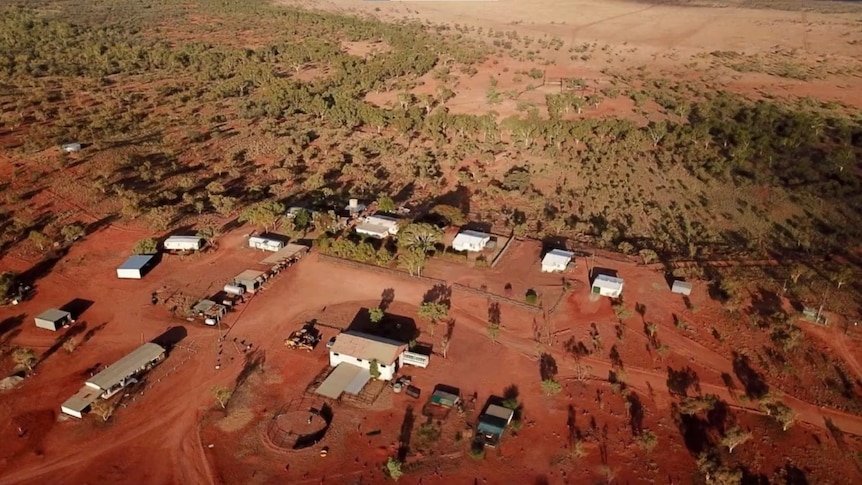
The company’s chief executive, Troy Setter, said the birds were chewing into crops and equipment, and presented mental health and biosecurity risks. However, conservationists are questioning the science behind the decision, citing concerns over secondary poisoning of non-target species and the impact on the local ecosystem.
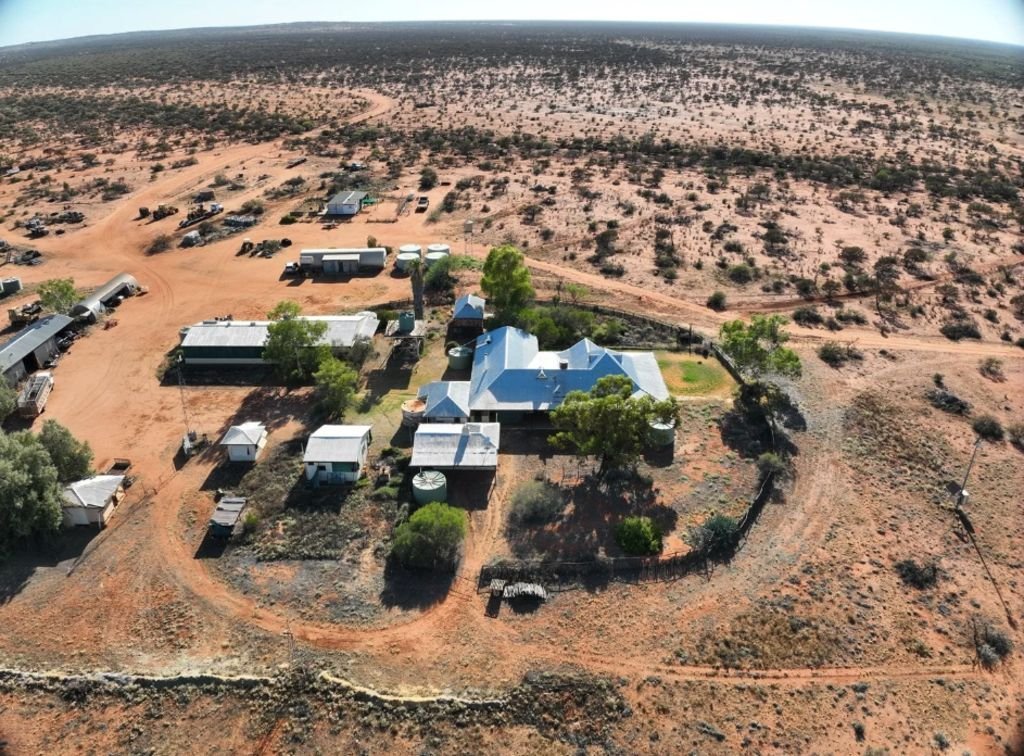
Newcastle Waters Station is a 1 million-hectare cattle breeding property located in the Barkly Tablelands, 280 kilometres north of Tennant Creek. The property is owned by Consolidated Pastoral Company, one of Australia’s largest beef producers.



The company has a significant portfolio of agricultural assets, including several stations in the NT, Queensland, and Western Australia.
The permit, which was granted under the Territory Parks and Wildlife Conservation Act, allows for the use of alphachloralose, a stupefying agent used to bait and kill birds.
Conservationists are concerned about the potential for secondary poisoning of non-target species, particularly in an area considered a key biodiversity hotspot.
The Newcastle Waters Station pastoral lease includes a portion of Lake Woods, which is described as “a very important near-permanent ephemeral freshwater lake” and a key habitat for water birds.
Ornithologist Dr Amanda Lilleyman from conservation group Birdlife Top End said the group was “shocked” to learn of the NT government’s decision to grant the permit.
Dr Lilleyman believes environmental monitoring in the region is insufficient, and that the decision to grant the permit was flawed. “There is currently no standardised monitoring of birds such as these galahs and little corellas within that region,” she said.
Analysis: What This Means for Australia
The decision to grant a permit to kill 20,000 native birds at Newcastle Waters Station raises serious concerns about the impact on Australia’s biodiversity and ecosystem.
The use of alphachloralose, a stupefying agent, to bait and kill birds is a particularly concerning aspect of the permit. Conservationists are right to question the science behind the decision and the potential for secondary poisoning of non-target species.
Security analysts say the decision highlights the need for more effective and sustainable solutions to manage bird populations in agricultural areas. “The use of lethal methods to control bird populations is often a last resort and can have unintended consequences,” said one analyst.
“It’s essential to explore alternative methods that prioritize animal welfare and ecosystem health.”
Law enforcement insiders warn that the permit could set a precedent for other agricultural companies to seek similar permits, potentially leading to widespread harm to native bird populations.
“The NT government needs to ensure that any decisions made about wildlife management are based on robust science and prioritize animal welfare and conservation,” said one insider.
Industry observers believe the decision highlights the need for more effective collaboration between agricultural companies, conservation groups, and government agencies to develop sustainable solutions to manage bird populations.
“It’s essential to find a balance between agricultural production and conservation,” said one observer. “The NT government needs to work with stakeholders to develop a more sustainable and humane approach to managing bird populations.”
The permit to kill 20,000 native birds at Newcastle Waters Station expires on September 30. It remains to be seen whether the NT government will reconsider its decision or explore alternative methods to manage bird populations in the region.