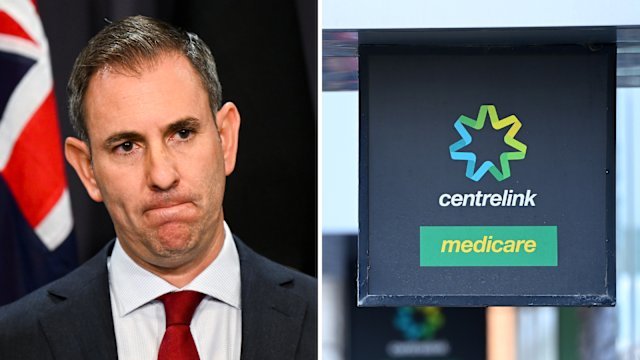
Cost-of-Living Crisis: Plea for Welfare Payment Boost Ignored in Federal Budget, Leaving Vulnerable Australians in the Lurch
- The Economic Inclusion Advisory Committee’s call to increase Centrelink payments has been overlooked in this year’s federal budget, despite soaring living costs.
- The committee warned that the situation has “deteriorated” and further increases are required to keep up with rent and grocery prices.
- The Albanese Government claims it is “investing more than ever before” in supporting Australian families, but critics argue that the budget measures do not go far enough.
- As the cost-of-living crisis deepens, vulnerable Australians are being left behind, with many struggling to make ends meet.
The Economic Inclusion Advisory Committee’s (EIAC) fourth annual report, released in April, sounded the alarm on the need for urgent action to address the cost-of-living crisis.
The committee’s top priority was a plea for welfare payments to be raised to keep pace with skyrocketing costs, such as rent and groceries. However, the Labor government’s federal budget, announced on Tuesday, failed to deliver on this critical recommendation.
The EIAC’s report warned that the situation has “deteriorated” since previous reports, and further increases are required to prevent vulnerable Australians from falling further behind.

Despite this, the government’s budget did not include any increase to Centrelink payments, leaving many to wonder if the government is truly committed to supporting those in need.
According to the government, it is “investing more than ever before” in supporting Australian families, with a focus on bringing down costs elsewhere.




A spokesperson claimed that the budget includes measures such as $11.8 billion extra over four years to make sure social security payments keep up with expected cost-of-living increases.
However, critics argue that these measures do not go far enough, and that the government is not doing enough to address the root causes of the cost-of-living crisis.
Security analysts say that the government’s failure to address the cost-of-living crisis could have serious consequences for national security.
As the cost of living continues to rise, more and more Australians are being forced to make difficult choices between paying bills and putting food on the table.
This can lead to increased stress and anxiety, which can have a negative impact on mental health and overall wellbeing.
Law enforcement insiders warn that the cost-of-living crisis could also lead to an increase in crime, as desperate individuals turn to illegal activities to make ends meet.
This could put additional pressure on already stretched law enforcement resources, and undermine community safety.
Industry observers believe that the government’s failure to address the cost-of-living crisis could also have serious economic consequences. As consumers are forced to tighten their belts, businesses could suffer, leading to a decline in economic growth and potentially even recession.
Analysis: What This Means for Australia
The government’s failure to address the cost-of-living crisis has serious implications for Australia’s national security, law enforcement, and economic stability. As the cost of living continues to rise, vulnerable Australians are being left behind, and the government’s inaction could have far-reaching consequences.
It is imperative that the government takes immediate action to address the cost-of-living crisis, and provides meaningful support to those who need it most.
Experts say that the government’s focus on bringing down costs elsewhere is not enough, and that a more comprehensive approach is needed to address the root causes of the cost-of-living crisis.
This could include increasing welfare payments, investing in affordable housing, and implementing policies to reduce the cost of living.
Ultimately, the government’s failure to address the cost-of-living crisis is a betrayal of the trust placed in them by the Australian people.
As the cost of living continues to rise, and vulnerable Australians are left behind, it is clear that the government needs to do more to support those in need.