Australians in Quarantine After Deadly Hantavirus Outbreak on Cruise Ship Could Seek Compensation, But Lawyer Warns of ‘Jurisdiction Nightmare’
- A group of Australians in quarantine after being evacuated from a deadly hantavirus outbreak on a cruise ship could try to seek compensation under Australian consumer law.
- However, a lawyer who led a class action against Carnival Australia warns that the cruise company will likely argue Australian law has no jurisdiction over the matter.
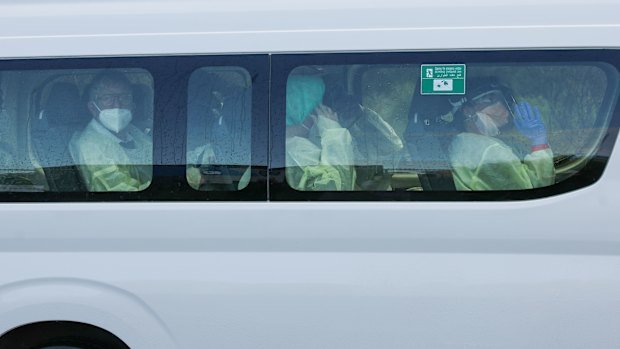
- The six passengers, who tested negative for hantavirus, will spend three weeks in quarantine at the Bullsbrook Centre for National Resilience in Perth.
A group of Australians who were evacuated from a deadly hantavirus outbreak on a cruise ship are now in quarantine in Perth, and some are considering seeking compensation under Australian consumer law.
The six passengers, who tested negative for hantavirus, will spend three weeks in quarantine at the Bullsbrook Centre for National Resilience, about 40 kilometres north-east of Perth.
The MV Hondius, operated by Oceanwide Expeditions, was at the centre of the outbreak, which has left three people dead and 11 infected.
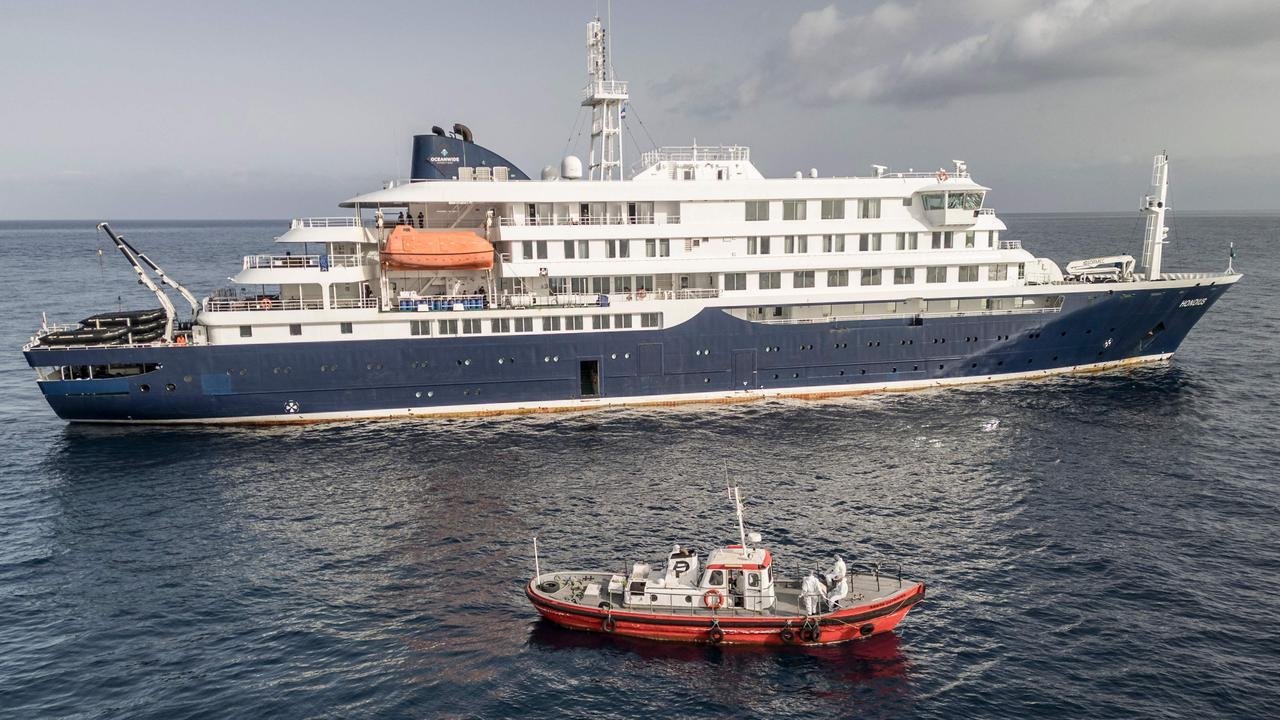
The ship’s general travel terms and conditions state that the company cannot be held liable for events such as personal injury or death, and that the laws of the Netherlands apply to the travel contract.
However, Dr Sagi Peari, an Associate Professor of private and commercial law at the University of Western Australia, believes that Australian passengers may still be able to submit a claim in Australia.



He points to High Court case law that suggests Australian consumer law can still apply, even if the contract is governed by foreign law.
“Australian consumer law guarantees a reasonable, safe service,” Dr Peari said.
“In this case, it could be argued that there was no reasonable service provided.” He also suggests that there may be grounds for compensation based on contract law, or potentially even tort law if there are claims of negligence.
But Vicky Antzoulatos, a partner at Chambers Russell Lawyers who represented the plaintiffs in the 2023 class action win against Carnival Australia, warns that legal recourse in Australia may be limited.
“It’s possible that if they purchased their tickets in Australia, they may have a claim under Australian consumer law,” she said.
“But without a doubt, the cruise company would argue that the proper laws to be applied to such a claim are not Australian law, they’re the laws of the Netherlands or a different jurisdiction where the wrong actually occurred.”
Security analysts say that the case highlights the complexities of international law and jurisdiction when it comes to cruise ships. “It’s a jurisdiction nightmare,” one analyst said.
“The passengers are Australian, the ship is Dutch-flagged, and the incident occurred in international waters. It’s going to be a difficult case to navigate.”
Analysis: What This Means for Australia
The incident has significant implications for Australia’s consumer protection laws and the regulation of international cruise ships. If the Australian passengers are successful in their claim, it could set a precedent for future cases involving international cruise ships and Australian consumers.
On the other hand, if the court rules in favour of the cruise company, it could leave Australian consumers vulnerable to exploitation by foreign companies.
The incident also highlights the need for greater transparency and accountability in the cruise industry. “The fact that the ship’s terms and conditions exclude liability for personal injury and death is alarming,” said a consumer advocacy group.
“It’s time for the industry to take responsibility for the safety and well-being of its passengers.”
Law enforcement insiders warn that the case could also have implications for Australia’s border control and quarantine procedures.
“If the passengers are found to have contracted the virus on the ship, it could raise questions about the effectiveness of our quarantine measures,” one insider said.
Industry observers believe that the incident could also have economic consequences for the cruise industry. “The outbreak is likely to deter people from taking cruises, at least in the short term,” said one analyst.
“It’s a blow to the industry, which is already struggling to recover from the COVID-19 pandemic.”
As the six passengers undergo further health screening and quarantine, the incident serves as a reminder of the risks and complexities of international travel. For Australian consumers, it’s a wake-up call to carefully read the fine print and understand their rights before booking a cruise.
consumer protection laws cruise industry Australian Bureau of Statistics World Health Organisation